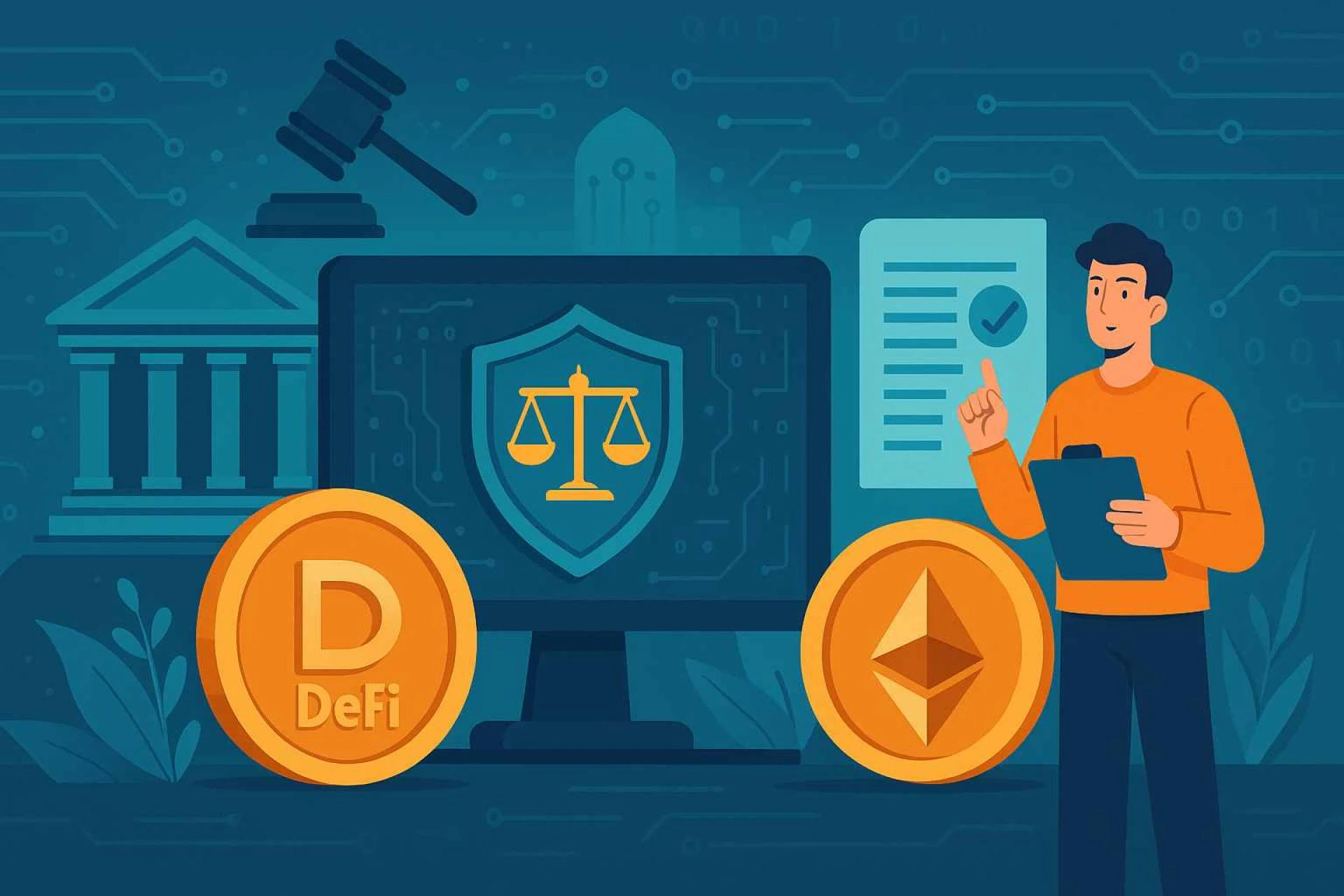

The decentralized finance (DeFi) space has witnessed tremendous growth over the past few years, and 2026 marks a pivotal year in how projects approach user engagement and brand promotion. Traditional marketing methods are increasingly being replaced by community-driven strategies that empower users to become advocates for the platforms they support. Community-led campaigns are redefining how trust, transparency, and adoption occur in DeFi, creating a more sustainable and organic growth model. In this article, we explore why community-led campaigns dominate DeFi marketing in 2026, how projects implement them, and the measurable outcomes they achieve.
The Rise of Community-Centric Strategies in DeFi
In the early years of DeFi, projects relied heavily on influencer marketing, paid promotions, and centralized advertising to gain visibility. While these methods provided quick exposure, they often lacked authenticity and failed to build lasting relationships with users. By 2026, the DeFi ecosystem has evolved into a space where communities play a central role in project growth. Users are no longer passive participants; they actively contribute to governance, provide feedback, and help attract new members through organic networks.
Community-centric strategies are especially effective because they leverage the core principles of blockchain technology: decentralization, transparency, and inclusivity. When users feel genuinely involved in a project, they are more likely to advocate for it, creating a viral effect that cannot be easily replicated by traditional marketing channels. This shift has prompted DeFi projects to allocate a significant portion of their resources to nurturing communities instead of merely focusing on direct advertising.
Building Trust Through Community Engagement
Trust remains a major challenge in the DeFi space due to the prevalence of scams, rug pulls, and poorly audited smart contracts. Community-led campaigns offer a natural solution by fostering transparency and accountability. When a project engages its users directly in decision-making, governance, and problem-solving, it builds a foundation of trust that is difficult to achieve through other means.
In 2026, successful DeFi projects use multiple layers of community engagement. This includes active discussion forums, decentralized governance voting, and real-time feedback mechanisms. By providing users with a voice, projects demonstrate that their priorities align with the community’s interests. As a result, users are more likely to remain loyal and encourage others to join, creating a self-sustaining growth cycle.
Leveraging Social Platforms for Organic Growth
While social media has always been part of DeFi marketing, 2026 sees a paradigm shift toward decentralized and user-driven engagement. Platforms like Discord, Telegram, and emerging Web3-native social networks have become the primary channels for community interaction. Unlike traditional social media advertising, community-led campaigns rely on authentic conversations, peer-to-peer sharing, and knowledge exchange.
Projects that invest in community moderators, educational content, and collaborative initiatives tend to outperform those relying solely on paid campaigns. Community members naturally become educators, influencers, and ambassadors, amplifying the reach of the project without requiring significant marketing expenditure. This approach is particularly effective in complex DeFi ecosystems where potential users require guidance and reassurance before participation.
Incentivization Models in Community-Led Campaigns
A critical component of community-led campaigns in 2026 is incentivization. Unlike conventional loyalty programs, DeFi projects leverage tokenomics to reward active participation and contributions. Incentives can include governance tokens, staking rewards, early access to new features, or exclusive NFTs. These mechanisms encourage users to engage meaningfully rather than superficially.
Moreover, incentivization extends beyond financial rewards. Recognition within the community, such as highlighting top contributors or offering special roles, also fosters deeper engagement. Projects that effectively combine intrinsic and extrinsic motivation tend to build vibrant, resilient communities that can weather market volatility and maintain long-term growth momentum.
Education as a Pillar of Community Strategy
DeFi projects in 2026 increasingly prioritize educational initiatives as part of community-led campaigns. Users are more likely to participate and advocate when they understand the technical and financial aspects of a protocol. Educational campaigns often include webinars, tutorials, community workshops, and interactive learning sessions.
By empowering users with knowledge, projects create informed advocates who can explain the value proposition to new users, address concerns, and contribute to a culture of transparency. This approach not only strengthens trust but also improves adoption rates and overall ecosystem resilience.
Governance-Driven Campaigns Amplifying Participation
Decentralized governance has become a cornerstone of DeFi marketing in 2026. When communities are given decision-making powers, they are more invested in the success of the project. Governance-driven campaigns include proposals, voting events, and strategy discussions that directly involve the community in shaping the project’s future.
These initiatives create a sense of ownership and accountability, transforming users into active stakeholders rather than passive observers. Projects that successfully integrate governance into marketing see higher retention rates, more authentic promotion, and a stronger alignment between project goals and community interests.
Collaborations and Partnerships Within Communities
Community-led campaigns also thrive through strategic collaborations and partnerships. Projects often partner with complementary protocols, influencers, and educational platforms to expand their reach. By involving the community in these collaborations through AMAs, joint events, or co-created content projects reinforce user engagement and create shared value.
Such partnerships not only increase visibility but also enhance credibility. When community members witness authentic collaboration between trusted projects, they are more likely to participate and promote the initiative within their networks, amplifying the campaign’s impact.
Measuring the Impact of Community-Led Campaigns
Unlike traditional marketing, the success of community-led campaigns is measured through both quantitative and qualitative metrics. Engagement metrics such as active users, governance participation, forum discussions, and social interactions provide insight into community health. Sentiment analysis and user feedback also offer qualitative measures of trust, loyalty, and advocacy.
In 2026, data-driven insights guide campaign strategies, helping projects identify high-impact initiatives and optimize community engagement. Projects that actively monitor and adapt to these metrics can maintain strong growth trajectories while minimizing the risks associated with conventional marketing approaches.
The Role of Technology in Facilitating Engagement
Emerging technologies are enhancing the effectiveness of community-led campaigns. Decentralized identity solutions, smart contracts, and Web3 social tools enable projects to reward participation transparently, track contributions accurately, and facilitate secure governance processes. These technologies ensure that community campaigns operate efficiently, fairly, and transparently.
Automation tools for content distribution, analytics, and community management also allow projects to scale engagement without losing authenticity. By leveraging these technological solutions, DeFi projects can maintain vibrant communities that remain active and motivated over time.
Case Studies of Successful Community Campaigns
Several DeFi projects have demonstrated the power of community-led campaigns in 2026. These initiatives often involve multi-layered engagement strategies, including educational content, governance participation, incentivization, and social collaboration. Users become advocates, co-creators, and educators, driving organic growth and adoption.
Successful campaigns consistently show higher retention rates, increased transaction volumes, and stronger brand recognition. They also create a more resilient ecosystem where communities can self-organize, address challenges, and innovate collectively, reducing reliance on centralized marketing channels.
Challenges and Considerations
Despite their advantages, community-led campaigns are not without challenges. Maintaining consistent engagement requires ongoing effort, clear communication, and transparency. Poorly managed campaigns can lead to misinformation, disputes, or community fragmentation.
Projects must also balance incentivization with sustainability. Over-reliance on token rewards can attract opportunistic participants rather than genuine advocates. Educating users about the project’s mission, values, and long-term goals is essential to ensure authentic and lasting engagement.
The Future of Community-Led DeFi Marketing
Looking ahead, community-led campaigns will continue to dominate DeFi marketing in 2026 and beyond. As projects mature, the focus will increasingly shift from acquisition to retention, emphasizing long-term value creation, education, and governance participation. Communities will not only serve as marketing engines but also as co-creators of products, policies, and growth strategies.
The evolution of community-led strategies reflects a broader trend in Web3: decentralization of not just finance but also influence and decision-making. DeFi projects that embrace this approach are likely to enjoy sustainable growth, higher trust, and deeper integration within the broader blockchain ecosystem.
Conclusion
Community-led campaigns have transformed the landscape of DeFi marketing in 2026. By prioritizing trust, engagement, governance, and education, projects can cultivate vibrant communities that drive adoption organically. Incentivization models, social collaboration, and technology tools further amplify impact, creating a self-sustaining growth ecosystem.
As DeFi continues to evolve, community-led campaigns will remain the most effective method for building loyalty, credibility, and long-term value. Projects that embrace this strategy are not merely promoting a protocol they are fostering a movement where users are empowered, informed, and invested in the success of the decentralized financial future.


























Sign in to leave a comment.