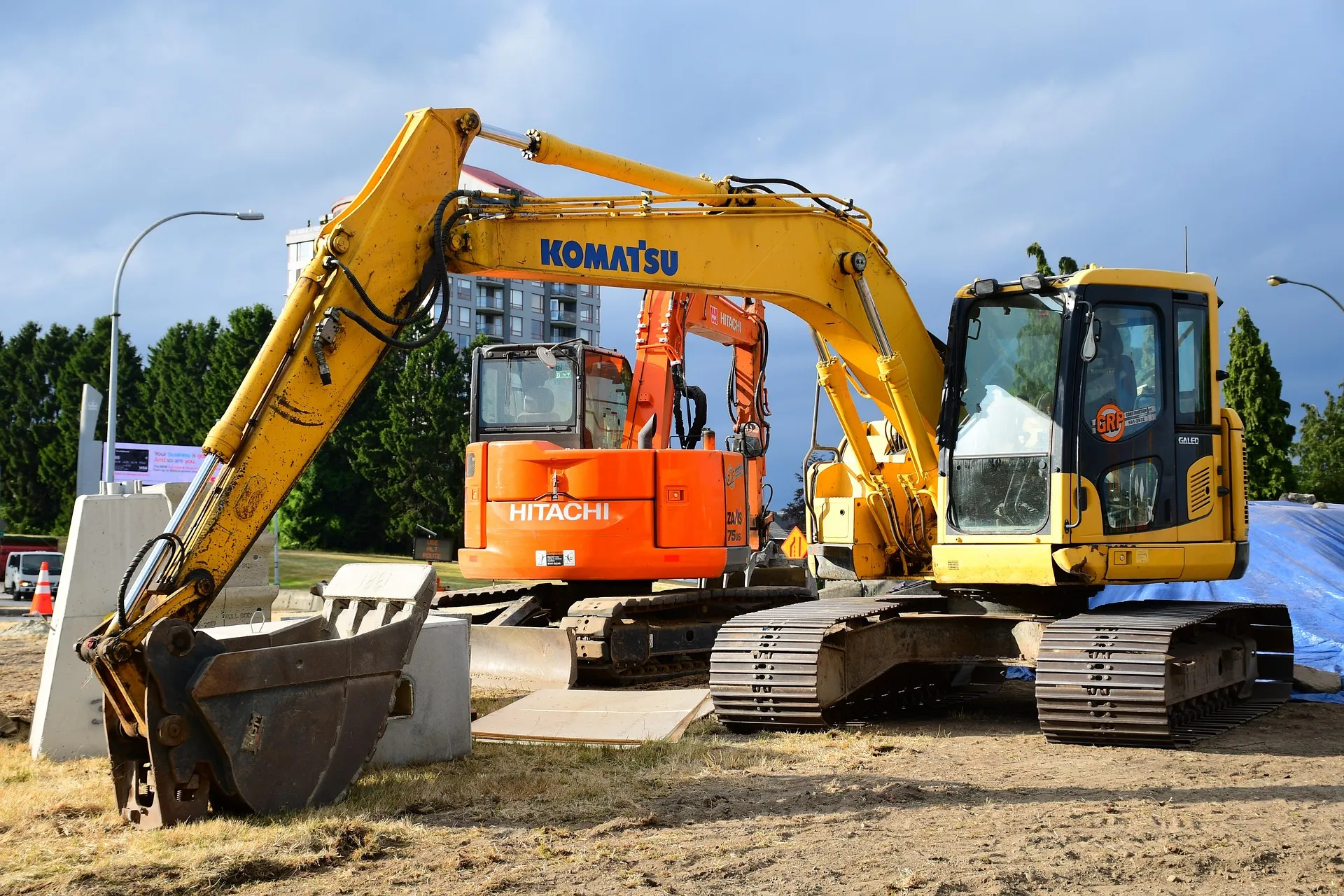

Construction machinery operates under demanding conditions where performance, durability, and reliability are essential. Every component contributes to the overall functionality of equipment, and even a small worn or damaged part can affect productivity. Construction equipment parts play an important role in keeping heavy machinery operating efficiently, safely, and consistently. From engines and hydraulic systems to tracks, filters, and undercarriage components, properly selected replacement parts can help maintain equipment performance and extend its useful service life.
The Importance of Quality Components
Heavy machinery is designed to perform demanding tasks such as excavation, lifting, grading, drilling, and material handling. These activities place significant stress on mechanical systems.
Supporting Consistent Performance
Quality components help machinery maintain its intended operating characteristics. When individual parts function correctly, engines can deliver appropriate power, hydraulic systems can maintain pressure, and moving components can operate smoothly.
Consistent performance allows operators to complete tasks more efficiently. Equipment that works reliably throughout the day can reduce interruptions and help construction teams stay closer to planned schedules.
Maintaining Equipment Efficiency
Worn components can force machinery to work harder than necessary. For example, damaged filters may restrict airflow, while worn belts or bearings can increase resistance within mechanical systems.
Replacing deteriorated components can help restore normal operating conditions. This can improve energy efficiency and reduce unnecessary strain on other systems.
Reducing Unexpected Downtime
Unplanned equipment failure can create significant problems on construction sites. A machine that suddenly stops working may delay multiple activities and affect workers, materials, and project schedules.
Preventing Component Failure
Regular inspections help identify signs of wear before they develop into serious mechanical problems. Cracks, leaks, unusual noises, excessive vibration, and reduced performance can indicate that a component requires attention.
Replacing worn parts at the appropriate time can reduce the likelihood of sudden breakdowns. Preventive maintenance is generally more manageable than dealing with major failures after they occur.
Improving Project Productivity
Reliable machinery allows operators to spend more time completing productive work rather than waiting for repairs. Maintaining important components can therefore contribute directly to jobsite productivity.
When machines remain operational, construction teams can coordinate excavation, transportation, grading, and other activities more effectively.
Extending Equipment Service Life
Heavy machinery represents a significant investment. Proper maintenance can help protect that investment by reducing excessive wear throughout the equipment.
Protecting Major Systems
Small components can have a major effect on larger systems. A damaged seal, for example, may allow contaminants to enter a hydraulic system, while a worn filter can allow harmful particles to affect an engine.
Replacing these components promptly helps protect expensive machinery systems from unnecessary damage. This approach can reduce the possibility of costly repairs and premature equipment replacement.
Reducing Mechanical Stress
Correctly functioning components allow machines to operate within their intended specifications. When parts become worn, other components may have to compensate, creating additional stress.
Maintaining mechanical systems properly helps distribute operational loads more effectively and can reduce unnecessary strain on connected components.
Improving Operator Safety
Equipment reliability is closely connected to workplace safety. Construction machinery often operates around workers, materials, vehicles, and structures, making proper functionality extremely important.
Reliable Braking and Steering Systems
Braking, steering, and control systems must operate correctly to allow operators to respond appropriately to changing conditions. Worn or damaged components can affect machine control and increase operational risks.
Regular inspections and timely replacement of defective components can help maintain dependable machine response.
Maintaining Hydraulic Functions
Hydraulic systems are commonly used for lifting, digging, loading, and other heavy-duty operations. Damaged hoses, seals, valves, or fittings can result in leaks and reduced control.
Maintaining hydraulic components helps ensure that equipment performs its intended movements smoothly and predictably.
Better Fuel and Energy Efficiency
Equipment efficiency is not determined only by engine size or machine design. The condition of individual components can also influence how much energy equipment requires during operation.
Keeping Engines Operating Efficiently
Filters, fuel system components, belts, and other engine-related parts can influence overall performance. When these components become excessively dirty or worn, engines may operate less efficiently.
Maintaining these systems helps support proper airflow, fuel delivery, cooling, and lubrication, allowing engines to perform more effectively.
Reducing Unnecessary Power Loss
Mechanical resistance can increase when bearings, tracks, gears, or other moving components become worn. The machine may then require additional power to perform the same task.
Replacing damaged components can reduce unnecessary resistance and help machinery use energy more effectively.
Choosing Suitable Replacement Components
Not every component is appropriate for every machine. Selecting parts based on equipment specifications is essential for achieving reliable performance.
Checking Compatibility
Before purchasing a replacement component, operators and maintenance teams should verify dimensions, specifications, operating requirements, and compatibility.
Incorrectly sized or unsuitable parts may fail prematurely or interfere with other machine systems. Careful selection reduces the risk of installation problems and performance issues.
Considering Operating Conditions
Construction machinery can operate in environments involving dust, mud, extreme temperatures, moisture, heavy loads, and continuous vibration. Replacement components should be suitable for the conditions in which the equipment will operate.
Understanding the working environment helps maintenance professionals select components that can withstand expected stresses.
The Role of Preventive Maintenance
Preventive maintenance provides an organized approach to equipment care. Instead of waiting for failures, maintenance teams regularly inspect and service machines according to established schedules.
Regular Inspections
Routine inspections can identify early signs of wear, leakage, corrosion, cracking, or deformation. Operators should pay attention to unusual sounds, vibrations, reduced power, and changes in machine behavior.
Early detection allows smaller problems to be addressed before they develop into larger failures.
Following Maintenance Schedules
Manufacturers typically provide maintenance recommendations based on operating hours and equipment requirements. Following appropriate service intervals helps ensure that important components are inspected and replaced when necessary.
Maintenance records can also help teams monitor component performance and identify recurring problems.
Improving Long-Term Cost Management
Replacing components may appear to be an additional expense, but proper maintenance can produce significant long-term savings.
Avoiding Expensive Repairs
A relatively inexpensive replacement can prevent damage to a much larger and more costly system. For example, addressing a minor hydraulic leak early may help prevent extensive system contamination or component damage.
This makes preventive replacement an important part of responsible equipment management.
Increasing Return on Equipment Investment
Well-maintained machinery can remain productive for longer periods. Extending equipment service life allows businesses to gain greater value from their original investment while reducing the frequency of major equipment purchases.
Conclusion
Reliable construction machinery depends on the condition of every component working within its mechanical and hydraulic systems. Regular inspections, timely replacement, proper installation, and appropriate maintenance can improve efficiency, reduce downtime, support operator safety, and extend equipment service life. By selecting suitable construction equipment parts and maintaining them according to operating requirements, construction businesses can keep heavy machinery dependable while controlling long-term maintenance and operating costs.























Sign in to leave a comment.