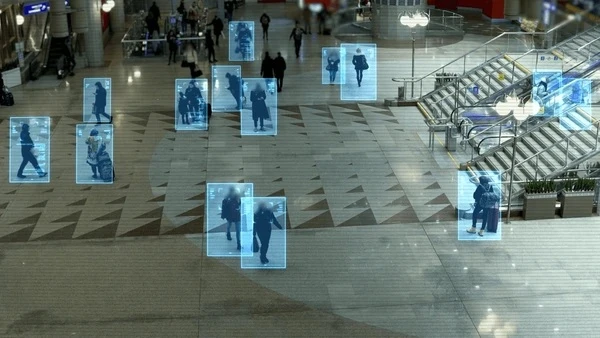


Public places move fast. A train platform can shift from normal flow to dangerous congestion in minutes. A stadium concourse can become blocked after one delayed gate opening. That is where crowd detection CCTV changes the role of surveillance. Instead of only recording incidents, modern video analytics estimate density, flag unusual gathering patterns and help teams respond before crowd pressure becomes a safety problem. Genetec says current crowd-estimation tools can analyze live streams from existing cameras, define threshold zones and trigger alerts or announcements when gatherings become too large, while Axis highlights automatic alerts and evidence capture in varied light and weather conditions.
The strongest benefit is earlier intervention. Security staff do not have to wait for a call, a complaint or visible panic. Analytics can identify rising occupancy levels, bottlenecks and queue buildup in specific zones, then send events to operators in real time. Hanwha Vision notes that modern analytics detect objects, movement patterns, crowd behavior and density, turning raw footage into actionable data. In practice, that helps venue managers open extra entry lanes, redirect foot traffic or isolate a risky area before the situation spreads. Another major gain is better operator efficiency.
The Security Industry Association notes that real-world conditions such as lighting changes, shadows, weather and unpredictable movement can overwhelm traditional video monitoring and create false alerts. Newer edge-based analytics improve object detection and classification closer to the camera, which helps cut noise and speed up decisions. Hanwha also reports that edge processing supports lower false alarms and faster forensic search, which matters when teams must review incidents across large sites with limited staff.
Crowd detection CCTV also fits broader security trends. Cameras are no longer isolated devices. Axis and Genetec both show how analytics now connect with dashboards, alarms, public-address workflows and wider public-safety operations. That means crowd monitoring can support both prevention and coordinated response. A transit hub can detect overcrowding on a platform, issue a local alert and feed the same event into a central operations view without adding separate counting hardware in every zone.
The long-term value is not just incident response. These systems also help planners understand recurring congestion points, peak entry times and weak spots in site design. With better data, security becomes more predictive, more efficient and more useful to operations. That is why crowd analytics are becoming part of modern public safety design rather than an optional add-on.
Author Bio:
Vibrans Allter is a technology writer and security enthusiast specializing in AI-powered camera monitoring, computer vision security systems and on-prem video analytics solutions. With a keen interest in emerging surveillance technologies and smart security innovations, Vibrans Allter creates insightful content that helps businesses and individuals understand the latest trends, best practices and practical applications of modern video monitoring and AI security tools. You can find his thoughts at smart monitoring blog.

























Sign in to leave a comment.