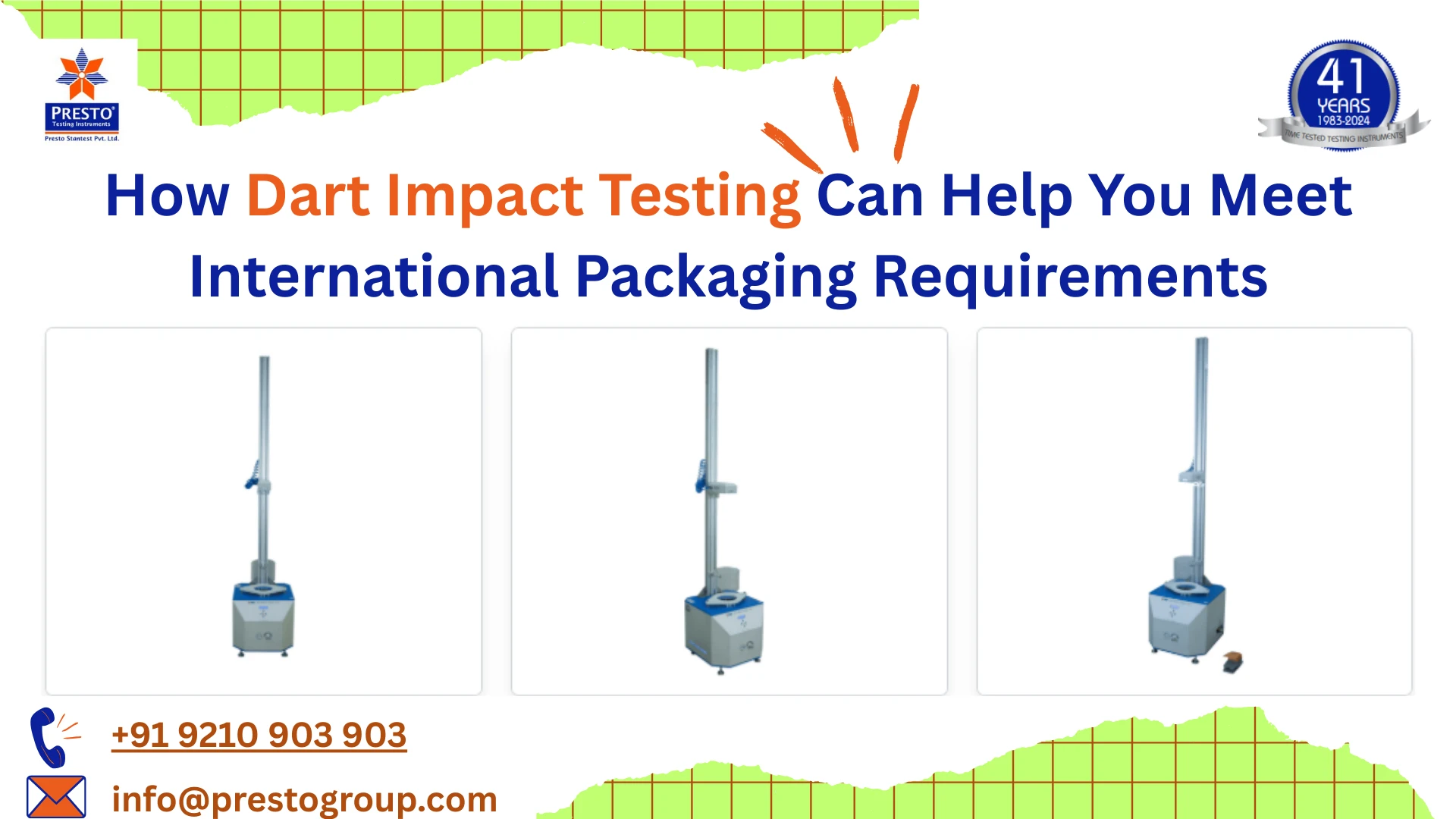

In the competitive world of packaging industry, where strength and safety prevail, using materials that perform under the ultimate pressures of reality isn't an option—it's a must.
The Issue: A Damaged Reputation
A food company launches a new, innovative product. They spend a lot on design, marketing, and a great product, but they save money on the packaging. The plastic film they select is attractive, but its durability is unknown. A pallet of their product is being relocated in a warehouse when a box with sharp edges bumps up against a stack of their new product by accident. The packaging film is easily pierced, resulting in spoilage and a huge recall. This isn't only an economic loss; it's a hit to their brand name and the trust of the consumers. This is a made-up situation, but this illustrates a real issue that can be addressed by dart impact testing.
The Science behind the Test
The dart impact test procedure is a simple one but needs to be done with a keen eye for detail. A piece of the plastic film is securely clamped over a circular hole. A dart of prescribed weight and shape is subsequently dropped from a specified height upon the middle of the film. The test is done using a series of darts of different weights until a "failure" point is established—usually when 50% of samples tested have been punctured. The reading, given in units of energy (e.g., Joules or grams), gives an unequivocal quantitative indication of the film's toughness.
For any material expert, knowledge of the dart impact test for plastic film comes in handy when choosing the right materials. This is where a professional comes in. High dart impact strength is a measure of a material's capacity to resist shock without perforation or tearing, which makes it perfect for packaging functions where high durability is necessary.
A Case Study: Overcoming Packaging Challenges
A prominent medical device firm was having a problem. Their delicate products, which had to stay sterile, were transported in multi-layer plastic pouches. They experienced a large number of failures in transit, losing sterility and resulting in expensive product returns. The company's quality assurance team suspected the packaging film was not strong enough.
In order to eliminate the issue, they brought in a strict test protocol. They purchased a dart impact tester from a good supplier and started testing their packaging films under different conditions. By the process of dart impact testing, they realized the pouches were failing at a much lower impact value than they had believed. This information gave the objective evidence required to change to a new stronger film with higher dart impact resistance. The new movie was tested and proven to be of international packaging standards, and an overnight dip in product failure and a morale boost amongst their consumers and regulating institutions resulted.
Investing in Quality: What to Look For
When they buy a dart impact tester, they would be interested in looking beyond the dart impact tester price. Reproducibility, accuracy, and ease of use are of most importance to them. Businesses need to compare dart impact tester manufacturers and locate one that produces solid equipment, extensive support, and calibration assistance. The proper equipment is a quality investment, a strike against the exorbitant costs of recalls and destroyed reputations.
The Takeaway
The dart impact test is not just a lab test; it's a measure of quality assurance that forces manufacturers all over the world to follow stringent packaging standards. Understanding the test, following a strict protocol, and investing in proper machinery can enable the companies to protect their products and the image of their brands.
Don't make a puncture an issue. Act now to assess your pack's durability. If you're a manufacturer or a quality control specialist, investigate how a dart impact tester can be a valuable addition to your quality control program.
FAQs
Q1. What are the differences between Method A and Method B of test procedure for the dart impact test?
Ans: The only significant difference between Method A and Method B is the test conditions, i.e., the size of the head of the dart and the drop height. Method A employs a smaller dart head (38 mm) and smaller drop (660 mm) and may be used to test less impact-resistant films, e.g., thin polyolefin films. Method B employs a larger dart head (50 mm) and higher drop height (1524 mm) and is most appropriately used in testing thicker and more impact-resistant films.
Q2. What is the relationship between the dart impact test and other physical plastic film properties?
Ans: Though the dart impact test sums up to find impact resistance directly, how a material performs in this test has a direct relationship with other attributes such as tensile strength, tear strength, and puncture resistance. A film that is impact-resistant will be tough as well as flexible, i.e., high resistance to localized, sudden forces. But a film which would easily fail this test might be brittle or possess low break elongation.
Q3. What are some items to keep in mind when purchasing a dart impact tester?
Ans: It is crucial when purchasing a dart impact tester to not just focus on the dart impact tester price. Other considerations include international standards (such as ASTM D1709 or ISO 7765), specifications (such as an electromagnetic source for the dart so results can be repeatable; variable drop heights for different modes), and reputation of the manufacture. Look for dart impact tester manufacturers who offer reliable, long-life equipment and a good after-sales service, such as calibration services and technical help. A good-quality tester is an investment that pays off in the long run to guarantee your quality control data accuracy and reliability.
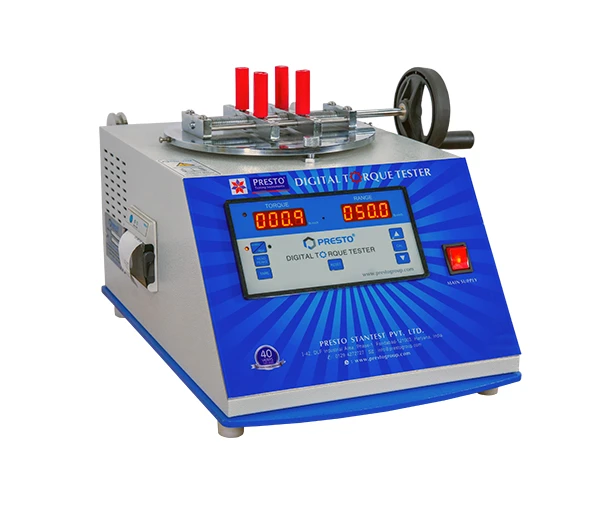
Looking for the best Dart Impact Tester Price? Presto offers high-quality impact testing instruments at affordable rates for accurate packaging material testing. 📞 Call +91 9210 903 903 or email [email protected] today to request a quote. Ensure durability and reliability of your products with trusted testing solutions!





























Sign in to leave a comment.