
Introduction
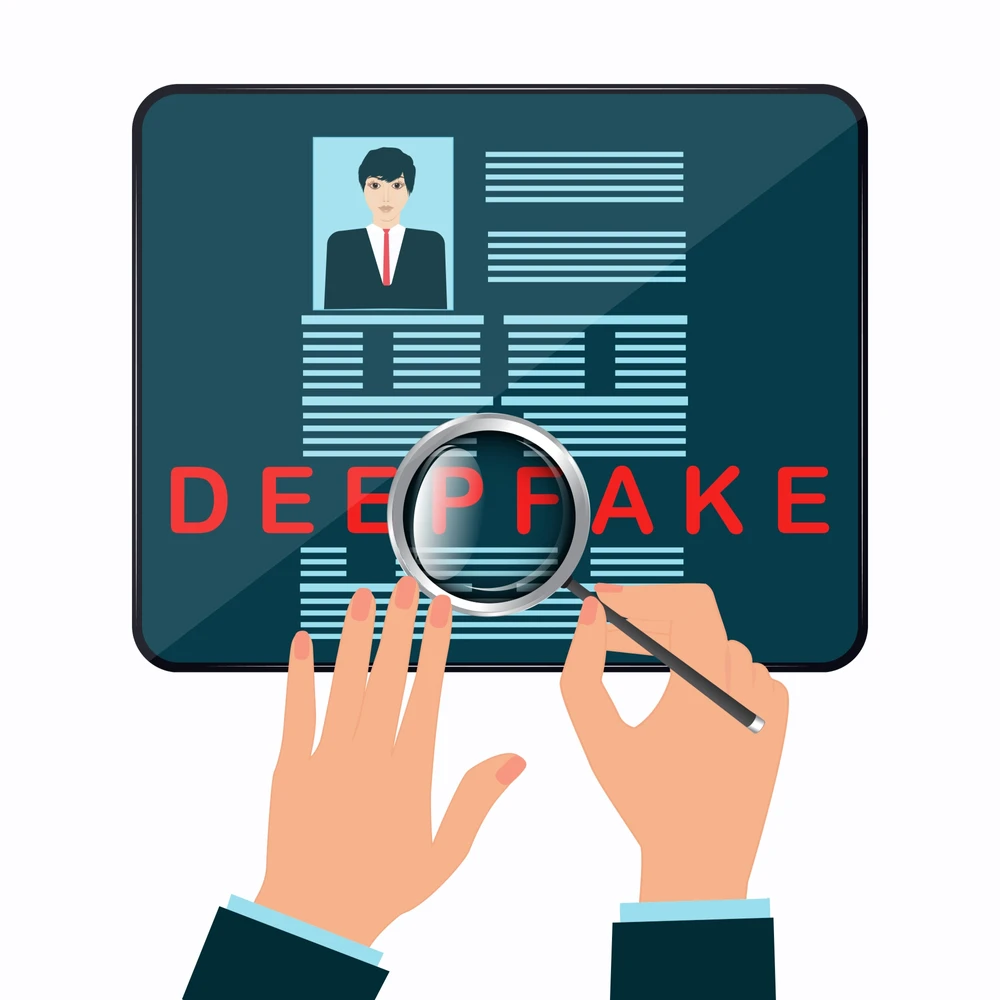
Deepfake AI technology has emerged as a powerful tool capable of manipulating and altering visual content, particularly videos and images. By combining deep learning algorithms and artificial intelligence, this technology can create highly realistic yet fabricated media. However, concerns have been raised about its potential negative impacts on various aspects of society, including politics, journalism, entertainment, and personal privacy. In this article, we will delve into the world of Deepfake AI, exploring its capabilities, implications, and the measures being taken to address the challenges it presents.
Understanding Deepfake AI
Deepfake AI, a combination of "deep learning" and "fake," refers to the use of artificial intelligence and machine learning techniques to create manipulated media that appears genuine. It involves training deep neural networks on a large dataset of images and videos, enabling them to learn and replicate the visual and auditory characteristics of a specific individual. Using these learned patterns, the AI system can generate convincing and often indistinguishable fake content, such as videos where people appear to say or do things they never actually did.
The Advancements and Applications of Deepfake AI
Deepfake AI technology has witnessed significant advancements in recent years, driven by breakthroughs in machine learning and computer vision. It has evolved rapidly from basic face-swapping to more sophisticated techniques that seamlessly integrate facial expressions, speech patterns, and body movements. While initially popularized in the entertainment industry for creating funny or viral videos, its applications have expanded to include areas such as filmmaking, advertising, and even political propaganda.
The Implications and Concerns
As Deepfake AI technology becomes more accessible and sophisticated, serious concerns and potential risks arise. One major concern lies in its impact on political landscapes. Deepfake AI has the potential to manipulate videos of politicians, creating false narratives and spreading misinformation that can influence public opinion and undermine trust in democratic processes. Additionally, the entertainment industry faces challenges related to copyright infringement, as deepfakes can be used to superimpose actors' faces onto other performers, potentially misrepresenting their involvement in specific projects.
Another critical area of concern is the impact on journalism and the spread of misinformation. Deepfake AI technology can be used to create fabricated news videos, making it increasingly difficult for audiences to discern truth from falsehood. This not only erodes public trust in media but also poses significant threats to the credibility and integrity of news organizations. Furthermore, deepfakes can be employed to blackmail individuals, harass them online, or tarnish their reputation by creating false evidence of their involvement in compromising situations.
Safeguarding Against Deepfake AI
The fight against Deepfake AI requires a multi-faceted approach that combines technological advancements, legal frameworks, and public awareness. Researchers and technologists are developing sophisticated detection methods and tools to identify deepfakes and distinguish them from authentic media. These detection techniques often leverage machine learning algorithms that analyze inconsistencies, artifacts, or anomalies within the media content. Additionally, collaborations between industry leaders, government agencies, and research institutions aim to establish best practices, guidelines, and regulations to combat the malicious use of deepfake technology.
Education and awareness campaigns play a crucial role in helping the public recognize and critically evaluate the authenticity of media content. By promoting media literacy, individuals can develop the necessary skills to identify potential deepfakes and exercise caution when sharing or reacting to suspicious content. Furthermore, social media platforms and online communities are exploring measures to tackle the dissemination of deepfakes, such as implementing content verification processes, fact-checking mechanisms, and user reporting systems.
Conclusion
Deepfake AI technology has ushered in a new era of media manipulation, blurring the boundaries between reality and fabrication. While it presents exciting possibilities for creative expression and entertainment, the potential negative consequences cannot be ignored. Deepfakes have the capacity to undermine trust, disrupt democratic processes, and inflict significant harm on individuals and institutions. As the technology continues to evolve, it becomes increasingly vital to develop robust solutions, raise awareness, and foster a collective effort to mitigate the risks associated with Deepfake AI. Only through collaboration between technology experts, policymakers, and society as a whole can we navigate this complex landscape and ensure the responsible and ethical use of AI in the realm of media.
























Sign in to leave a comment.