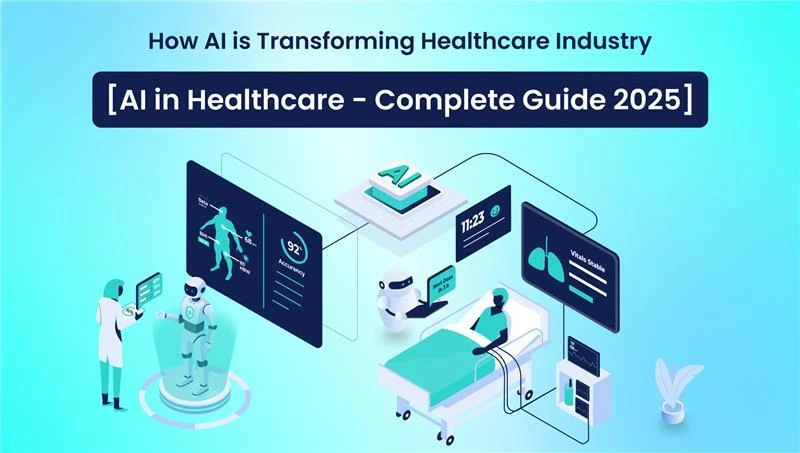

AI in healthcare isn’t just a buzzword anymore—it’s reshaping how patients, providers, and health systems interact in 2025. The integration of advanced technologies, from remote monitoring devices to predictive analytics, is not only improving patient outcomes but also making care more efficient and accessible. Across the USA and globally, digital innovations are closing the gap between patients and providers in ways that were unimaginable a decade ago.
The New Era of Patient-Centered Care
Healthcare in 2025 is increasingly patient-centered. Instead of a one-size-fits-all approach, providers are leveraging technology to tailor care to the individual.
- Personalized Treatment Plans: Machine learning models can analyze medical histories, lifestyle factors, and even genetic data to recommend treatment strategies that maximize effectiveness.
- Remote Access: Patients no longer need to rely solely on in-person visits. Virtual consultations and mobile health apps allow them to access care from home, reducing wait times and travel.
- Preventive Health: With wearable sensors and smart devices, clinicians can detect early warning signs of conditions such as heart disease, diabetes, or respiratory issues—often before the patient experiences symptoms.
The Role of AI in Healthcare
The use of AI in healthcare has expanded far beyond diagnostics. In 2025, it’s deeply embedded in every layer of patient care.
Predictive Analytics for Better Outcomes
AI-powered algorithms can now predict the likelihood of readmission or complications after surgery. This enables hospitals to allocate resources more effectively and personalize follow-up care.
Faster, More Accurate Diagnostics
Advanced imaging software can analyze scans in seconds with accuracy levels comparable to, and in some cases surpassing, human radiologists. This reduces delays in treatment and increases the chances of successful intervention.
Administrative Efficiency
AI tools streamline administrative workflows by automating tasks like appointment scheduling, insurance claim processing, and patient communications. This reduces administrative overhead and allows providers to focus on care.
The Backbone: Electronic Health Records
No discussion about modern patient care would be complete without electronic health records. In 2025, EHR systems will have evolved from static databases into dynamic platforms that integrate with a wide range of digital tools.
- Interoperability: Systems can now share data seamlessly across hospitals, clinics, and even patient-owned apps.
- Patient Empowerment: Patients have direct access to their own health data, making them active participants in decision-making.
- Clinical Decision Support: EHRs are integrated with AI-driven tools, providing clinicians with real-time insights at the point of care.
The combination of AI and electronic health records ensures that providers make better, faster, and more informed decisions.
How Digital Health Expands Access
The term digital health now covers a broad spectrum of tools designed to reduce barriers to care:
- Telemedicine: Virtual consultations are now standard practice, especially in rural areas where access to specialists is limited.
- Mobile Health Apps: Patients can track their conditions, communicate with doctors, and receive medication reminders directly from their smartphones.
- Remote Patient Monitoring: Devices connected through the Internet of Things (IoT) send real-time data to providers, allowing for proactive interventions.
These tools don’t just expand access; they also help address healthcare disparities by making quality care more affordable and scalable.
Data Privacy and Security Challenges
As technology advances, so do security concerns. In 2025, healthcare systems are under constant pressure to balance innovation with patient privacy.
- Cybersecurity Investments: Hospitals are investing heavily in encryption, multi-factor authentication, and blockchain solutions to protect sensitive data.
- Compliance: Regulations such as HIPAA in the USA continue to guide how data is collected, stored, and shared.
- Patient Trust: Transparency in how data is used is critical for maintaining public trust in digital tools.
The Future Outlook
The transformation happening in healthcare today is only the beginning. Over the next decade, we can expect:
- Greater integration of AI in personalized medicine, including genomics-driven treatment.
- Expansion of wearable tech capable of monitoring mental health, not just physical health.
- Increasing collaboration between healthcare systems, tech companies, and government bodies to create universal digital standards.
In short, patient care is shifting from reactive to proactive, from fragmented to integrated.
Conclusion
Digital health in 2025 is not about replacing doctors—it’s about empowering them and their patients with smarter tools, faster insights, and greater access. From AI in healthcare to advanced electronic health records, technology is creating a more connected and efficient healthcare ecosystem. And for patients across the USA and worldwide, this means safer, more personalized, and more affordable care.
If your organization is exploring ways to harness AI, EHR integration, or digital patient engagement solutions, now is the time to act. Contact us today to learn how we can help you implement cutting-edge healthcare technology that drives real results.
























Sign in to leave a comment.