

Digital transformation has become a driving force in reshaping industries, and healthcare is no exception. Over the last decade, the adoption of innovative technologies has completely changed how patients access, experience, and benefit from medical services. From remote consultations to AI-assisted diagnostics, healthcare is evolving into a highly connected, efficient, and patient-centric ecosystem. This shift is not only enhancing treatment outcomes but also improving the overall quality of care.
The Changing Landscape of Patient Care
Traditionally, healthcare revolved around physical visits to hospitals or clinics, paper-based recordkeeping, and reactive treatments. While effective to an extent, this model often led to inefficiencies, delayed diagnoses, and limited access to specialists. Digital transformation is addressing these challenges by leveraging technology to create faster, more accurate, and more accessible healthcare services. Patients today expect convenience and transparency, and technology is meeting these demands by making healthcare available at the click of a button.
Telemedicine and Remote Care
One of the most significant advancements in recent years has been the rise of telemedicine. Virtual consultations allow patients to connect with doctors from the comfort of their homes, reducing travel time and making healthcare more accessible to rural or underserved areas. Beyond convenience, telemedicine enables quicker diagnosis and treatment, reducing hospital overcrowding and improving overall healthcare delivery. Remote monitoring tools further enhance this trend by allowing physicians to track patient vitals in real time, ensuring timely interventions when necessary.
Artificial Intelligence and Predictive Analytics
Artificial Intelligence (AI) has emerged as a game-changer in healthcare. AI-powered tools can analyze vast amounts of medical data to detect patterns and predict potential health risks. Predictive analytics help healthcare providers intervene early, often preventing severe complications. For example, AI algorithms can flag early signs of diseases like diabetes or heart conditions, enabling doctors to initiate preventive measures. In diagnostics, AI assists in interpreting imaging results with high accuracy, reducing the chances of human error and speeding up the diagnostic process.
Electronic Health Records and Interoperability
Electronic Health Records (EHRs) have revolutionized how patient information is stored and shared. By centralizing data, EHRs make it easy for healthcare providers to access a patient’s medical history, test results, and treatment plans from anywhere. This not only saves time but also ensures continuity of care, especially when multiple specialists are involved. The future lies in improving interoperability so that different healthcare systems can seamlessly exchange information, ultimately creating a more connected healthcare network.
Wearable Devices and Patient Empowerment
Wearable technology is empowering patients to take charge of their health. Devices like fitness trackers, smartwatches, and specialized medical wearables can monitor heart rates, activity levels, sleep patterns, and even detect irregular heart rhythms. This constant stream of data allows individuals to make informed lifestyle choices while providing healthcare providers with valuable insights into patient behavior outside clinical settings. Such continuous monitoring can lead to earlier detection of health issues and more personalized treatment plans.
Cybersecurity and Data Privacy
As healthcare becomes more digital, protecting sensitive patient data has become a top priority. Cybersecurity threats in the healthcare sector can have severe consequences, from identity theft to compromising patient safety. Organizations are investing heavily in robust security protocols, encryption, and compliance with regulations to ensure data privacy. A secure digital environment builds trust among patients and encourages wider adoption of digital healthcare solutions.
The Role of Healthcare Web Development Solutions
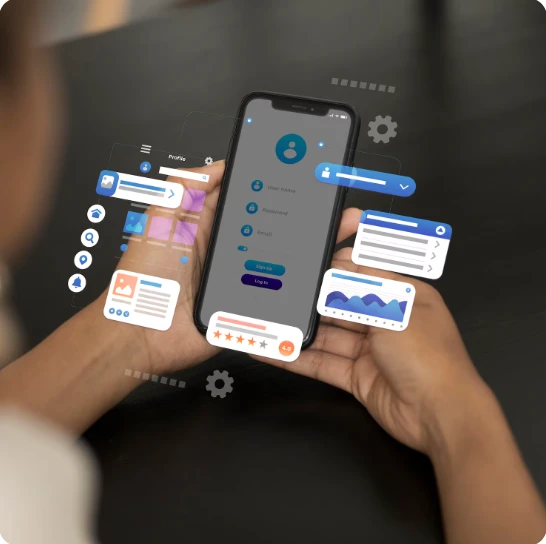
For these technologies to function effectively, robust digital platforms are essential. Healthcare Web Development Solutions play a crucial role in creating user-friendly, secure, and scalable applications for hospitals, clinics, and telehealth providers. These solutions integrate various tools such as appointment scheduling, payment gateways, patient portals, and analytics dashboards, offering a seamless experience for both patients and healthcare providers.
Challenges in Digital Transformation
While the benefits are clear, digital transformation in healthcare is not without challenges. High implementation costs, resistance to change among healthcare professionals, and the need for extensive training are some of the common hurdles. Additionally, ensuring equal access to digital tools for patients across different demographics remains a pressing issue. Overcoming these challenges requires strategic planning, investment, and collaboration among stakeholders.
Future Outlook
The future of healthcare technology looks promising, with advancements such as virtual reality for patient rehabilitation, blockchain for secure medical record management, and more sophisticated AI applications on the horizon. As these technologies mature, they will enable even more precise, personalized, and proactive care. The goal is to create a healthcare system that not only treats illnesses but also promotes long-term wellness and prevention.
Conclusion
Digital transformation is revolutionizing patient care in ways that were unimaginable just a decade ago. By integrating telemedicine, AI, EHRs, wearables, and secure platforms, healthcare is becoming more accessible, efficient, and patient-focused. While challenges remain, the continued adoption and evolution of these technologies promise a future where healthcare is not only about curing disease but also about empowering individuals to lead healthier lives.





























Sign in to leave a comment.