Bilingual children’s books serve as a valuable bridge for young learners, fostering connections across languages through images and contextual storytelling. In multilingual households, children often encounter a disparity between the language used at home and that spoken in educational settings. This can result in feelings of anxiety, confusion, or a decline in self-esteem. Introducing engaging bilingual books, especially those in Spanish and English, can effectively support early readers in navigating these challenges and enriching their language skills.
After all, the brain is most receptive to language acquisition in early childhood. By providing side-by-side text in both languages, bilingual picture books naturally reinforce vocabulary and sentence structure in a meaningful way. These books allow kids to learn in context, strengthening both comprehension and fluency, all while boosting confidence.
Visual Cues That Make Words Stick
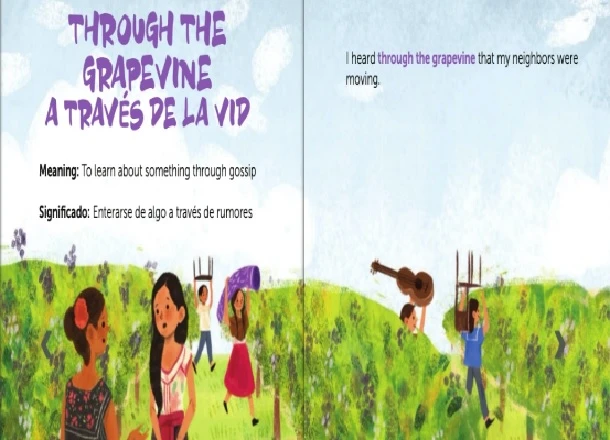
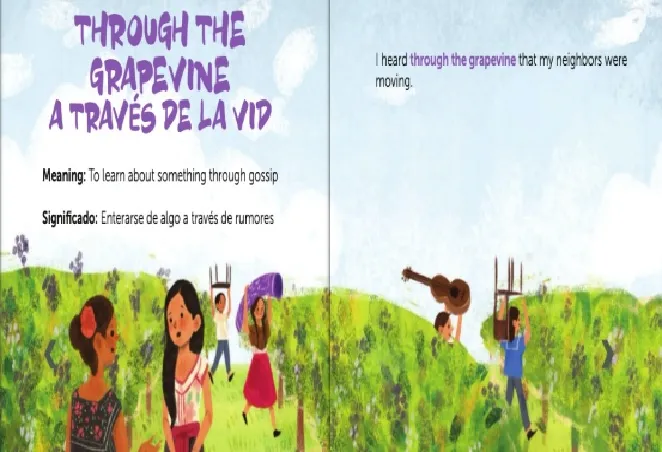
- Bilingual books combine visual storytelling with thoughtfully paired text, unlike traditional language instruction methods.
- Children don’t just memorize words; they connect new vocabulary with emotions, characters, and real-life situations.
- This multi-sensory approach helps make new words easier to remember and recall.
- Books featuring vibrant illustrations alongside both Spanish and English text provide a richer learning experience than flashcards or audio alone.
- Kids naturally absorb the rhythm and flow of two languages through storytelling.
- Storytime becomes an engaging, pressure-free opportunity to build language skills.
Dual-language support builds confidence
When children see both their home language and a new one in the same book, it reinforces that their native language is valuable and respected. This validation builds self-esteem and motivation.
More importantly, they’re not just learning a new language, they’re becoming literate in two. That’s a huge confidence boost for bilingual children navigating different worlds at school and at home. For parents and teachers, it also opens up more ways to engage kids in conversations, reading time, and wordplay.
Practical Tools With Long-Term Impact
- Dual-language book sets with PENPal-enabled technology offer read-aloud features in both languages, strengthening listening and speaking skills.
- Children can explore language independently, building confidence at their own pace.
- Ideal for parents who aren’t fluent in both languages but still want to actively support language development.
- Covers thematic vocabulary, cultural folktales, and everyday scenarios for well-rounded learning.
- Serves as an accessible and inclusive learning tool for bilingual households and classrooms alike.
Why early exposure matters
Language experts agree: the earlier children are exposed to a second language, the more naturally they absorb it. But immersion alone isn’t always enough, especially when children are shy or hesitant.
That’s where bilingual books in Spanish and English come in. These books let children engage with both languages safely and at their own pace. They don’t just learn words; they begin to think and dream in two languages. That kind of dual-language fluency opens doors for a lifetime of learning and connection.
Conclusion: More than just books, a path to belonging
Incorporating bilingual books in Spanish and English into your child’s routine isn’t just about language learning,g it’s about building identity, inclusion, and belonging. These books affirm a child’s culture while supporting their academic growth.
Regardless of whether you’re a parent, educator, or caregiver, incorporating these books into your home or classroom library is a minor action that can yield significant, long-term benefits. It helps children grow into self-assured, bilingual readers who take pride in their culture and feel competent in the wider world.
Companies like Language Lizard, LLC offer thoughtfully designed bilingual children’s books and learning tools that help make this journey easier, richer, and more joyful.
FAQs
1. At what age is it best to introduce bilingual books, Spanish-English, to children?
Even in infancy, babies benefit from hearing multiple languages during storytime.
2. Do bilingual books help even if parents don’t speak the second language?
Yes! Many books include read-aloud features or simple vocabulary, allowing parents to learn alongside their children.
3. Can bilingual picture books replace formal language instruction?
They are not a replacement but a powerful supplement that makes language learning fun and contextual.
4. How many bilingual books should I include in my child’s reading routine?
Start with a few favorites and expand over time. Consistency is more important than quantity.
5. Are dual-language books helpful for children already fluent in one language?
Absolutely — they help strengthen the second language while reinforcing vocabulary in the first.

























Sign in to leave a comment.