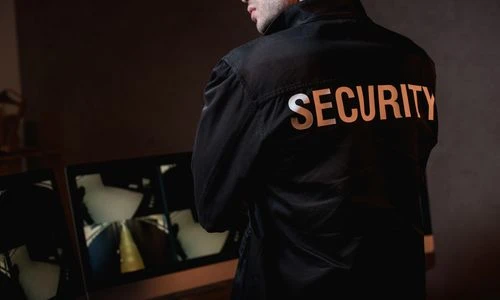

Touring artists face intense public attention that can create both opportunities and risks. Concert venues fill with thousands of fans, media coverage is relentless, and the fast-paced travel schedule increases vulnerability to both physical and digital threats. Music tour security companies play a pivotal role in safeguarding performers, ensuring safety, privacy, and smooth operations from the moment the tour is announced to the final show. Security teams anticipate potential threats such as overzealous fans, paparazzi, theft, and crowd surges while managing logistical challenges like hotel transfers, airport arrivals, and secure backstage access. Their meticulous planning allows artists to concentrate fully on their performances without distraction. Behind every successful music tour is a network of trained guards and security personnel working silently to mitigate risks, protect assets, and maintain the artist’s public image.
The Unique Security Challenges of Touring Artists
Touring artists confront a range of security challenges that vary from city to city. Fan enthusiasm can quickly escalate into dangerous situations such as surges, stampedes, or aggressive confrontations. Stalkers and overzealous individuals may attempt to breach hotel or venue security, while paparazzi often crowd public entrances or attempt unauthorized photography in private areas. Theft, including high-value equipment or personal belongings, is an ongoing concern. Additionally, travel-related risks such as flight delays, political unrest, or protests near concert venues require flexible and adaptable strategies. Security teams must navigate these unpredictable scenarios while safeguarding the artist’s physical safety, privacy, and emotional well-being. Each city introduces unique logistical and cultural variables that require customized security plans and continuous monitoring, ensuring the artist’s schedule runs smoothly without disruption.
Pre-Tour Security Planning
Effective security starts long before the first performance. Security teams conduct advance scouting of each venue, hotel, and transportation route to identify vulnerabilities and potential hazards. Risk assessments consider factors such as crowd size, local crime statistics, political climate, and cultural sensitivities. Detailed coordination with local law enforcement, emergency responders, and venue staff establishes protocols for crowd control, restricted access zones, and emergency response. Guards also brief artists and tour personnel on safe practices, including how to navigate public areas, media interactions, and backstage movements. Contingency plans are developed for unexpected events, ranging from medical emergencies to sudden protests, ensuring that each tour stop is equipped to handle both routine and high-risk scenarios. Thorough pre-tour planning forms the foundation of a secure and uninterrupted tour experience.
Secure Transportation and Travel Management
- Armored vehicles, private jets, and secure motorcades ensure safe travel between venues, airports, and hotels.
- Coordinated airport transfers with staggered timing prevent predictable patterns that could expose the artist to risk.
- Hotel arrivals are discreet, with controlled access and guarded entrances to prevent unauthorized individuals from approaching.
- Security teams monitor routes in real time, adjusting to traffic conditions, construction zones, or unexpected obstacles.
- Constant communication between travel teams, local law enforcement, and the artist’s entourage ensures rapid response if an incident occurs.
- Security personnel maintain situational awareness during transit, assessing threats from onlookers, vehicles, or unusual activity along the route.
Venue Security and Crowd Control
Venues implement a combination of physical barriers, controlled access points, and monitoring systems to maintain safety. Screening checkpoints, bag inspections, and ticket verification ensure that only authorized personnel and ticket holders enter specific areas. Guards are stationed at critical points such as stage perimeters, VIP sections, and backstage entrances. Crowd management strategies, including staggered entry, cordoned-off zones, and visual monitoring, prevent surges or aggressive behavior from escalating. Coordination with local police and event staff ensures rapid intervention during emergencies. Continuous observation allows security teams to detect and neutralize threats before they impact the artist or attendees. By combining physical security, trained personnel, and tactical planning, concert security teams create a controlled environment conducive to both safety and enjoyment.
Backstage and Private Area Protection
Backstage areas, dressing rooms, and green rooms require strict access control. Guards verify credentials for all staff, contractors, and visitors, preventing unauthorized individuals from gaining access. Surveillance cameras and patrols monitor activity, ensuring that restricted zones remain secure at all times. These measures protect the artist’s privacy, prevent theft, and reduce the risk of harassment. By maintaining a secure perimeter, guards provide a calm environment where performers can prepare for shows, rest, and interact with select personnel. Controlled access also allows support staff to perform their roles efficiently without the disruption of unauthorized interruptions. Backstage security is a crucial element in protecting both the artist and the integrity of the tour.
Personal Protection and Close Guarding
Bodyguards for musicians provide continuous close protection, balancing safety with personal freedom. Trained in situational awareness, rapid response, and de-escalation techniques, guards anticipate potential threats and act immediately if danger arises. Their presence allows artists to engage with fans, media, and staff while minimizing risk. Personal protection plans are tailored for each individual, taking into account public appearances, fan interactions, and specific vulnerabilities. Guards adapt to changing conditions, ensuring the artist remains safe during walking routes, hotel entrances, and public events. Discretion is key; effective personal protection is visible enough to deter threats but unobtrusive enough to allow performers to focus on their work.
Managing Fans, Media, and Paparazzi
Security teams coordinate artist interactions with fans, media, and paparazzi to prevent incidents. Guards escort performers through crowded areas, ensuring smooth passage while maintaining boundaries. Structured protocols for autograph sessions, meet-and-greets, and interviews provide safety without disrupting engagement. Physical barriers, designated paths, and monitored zones control crowd proximity, preventing accidental contact or aggressive behavior. Guards manage interactions with professionalism, preserving the artist’s image while minimizing stress. By maintaining order and providing clear guidance, security personnel allow artists to engage with their audience safely and confidently, creating memorable experiences without compromising protection.
Cybersecurity and Digital Threat Protection
- Monitoring online platforms for threats from stalkers, hackers, or malicious individuals targeting the artist.
- Securing communications via encrypted channels, including emails, messages, and social media accounts.
- Protecting sensitive information such as tour schedules, hotel locations, and private events from leaks.
- Implementing secure protocols for staff devices and equipment to prevent unauthorized access.
- Continuous online surveillance ensures rapid detection and response to digital threats that could lead to physical security breaches.
- Cybersecurity complements physical protection, creating a comprehensive security system for the touring environment.
Emergency Response and Crisis Management
Guards are trained to respond to emergencies ranging from medical incidents to crowd-related chaos. Evacuation plans for each venue detail exit routes, assembly points, and coordination with emergency responders. Security teams practice simulations to improve response times and ensure readiness. Quick communication between guards, local police, medical personnel, and tour staff enables immediate action during crises. Preparedness includes handling aggressive fans, sudden weather events, or technical failures without compromising safety. Through advanced planning and constant vigilance, security teams can protect the artist and audience while maintaining continuity of the tour schedule.
The Human Side of Tour Security
Professional guards provide both protection and reassurance, reducing stress for artists during high-pressure tours. Long-term security teams build trust through discretion, reliability, and consistent support. Artists often rely on familiar personnel for guidance in unfamiliar cities, blending professional protection with personal understanding. This human element allows performers to focus on creativity and performance, knowing that every detail of their safety is managed. Security teams serve not just as protectors but as part of the artist’s inner circle, offering advice, guidance, and calm presence that enhances both safety and morale on the road.
Conclusion
Protecting artists on tour requires a comprehensive approach encompassing planning, transportation, venue management, personal guarding, digital protection, and emergency preparedness. Each layer addresses unique threats, ensuring the artist remains safe, their privacy is preserved, and performances proceed smoothly. Guards enable artists to focus on music and fans without distraction, mitigating risk while maintaining professionalism and discretion. Professional security teams create an environment where creativity and performance can thrive, demonstrating that high-quality artist tour security is an essential component of every successful music tour. Investing in trained guards ensures safety, peace of mind, and a seamless experience from the first venue to the final encore.
FAQs
What are music tour security companies, and why are they important?
Music tour security companies specialize in protecting touring artists from physical and digital threats, managing crowds, and ensuring safety across venues and travel routes. Their expertise allows artists to perform without risk.
How do bodyguards for musicians balance protection and privacy?
Bodyguards maintain proximity, anticipate threats, and de-escalate situations while ensuring the performer can interact with fans, media, and staff without feeling restricted.
What role does cybersecurity play in artist protection?
Cybersecurity prevents online threats, protects sensitive tour information, and blocks unauthorized access to digital communications, reducing both physical and reputational risk.
How are emergencies handled during tours?
Security teams coordinate with local responders, implement evacuation plans, and provide rapid medical or conflict intervention to ensure safety for both artists and audiences.



























Sign in to leave a comment.