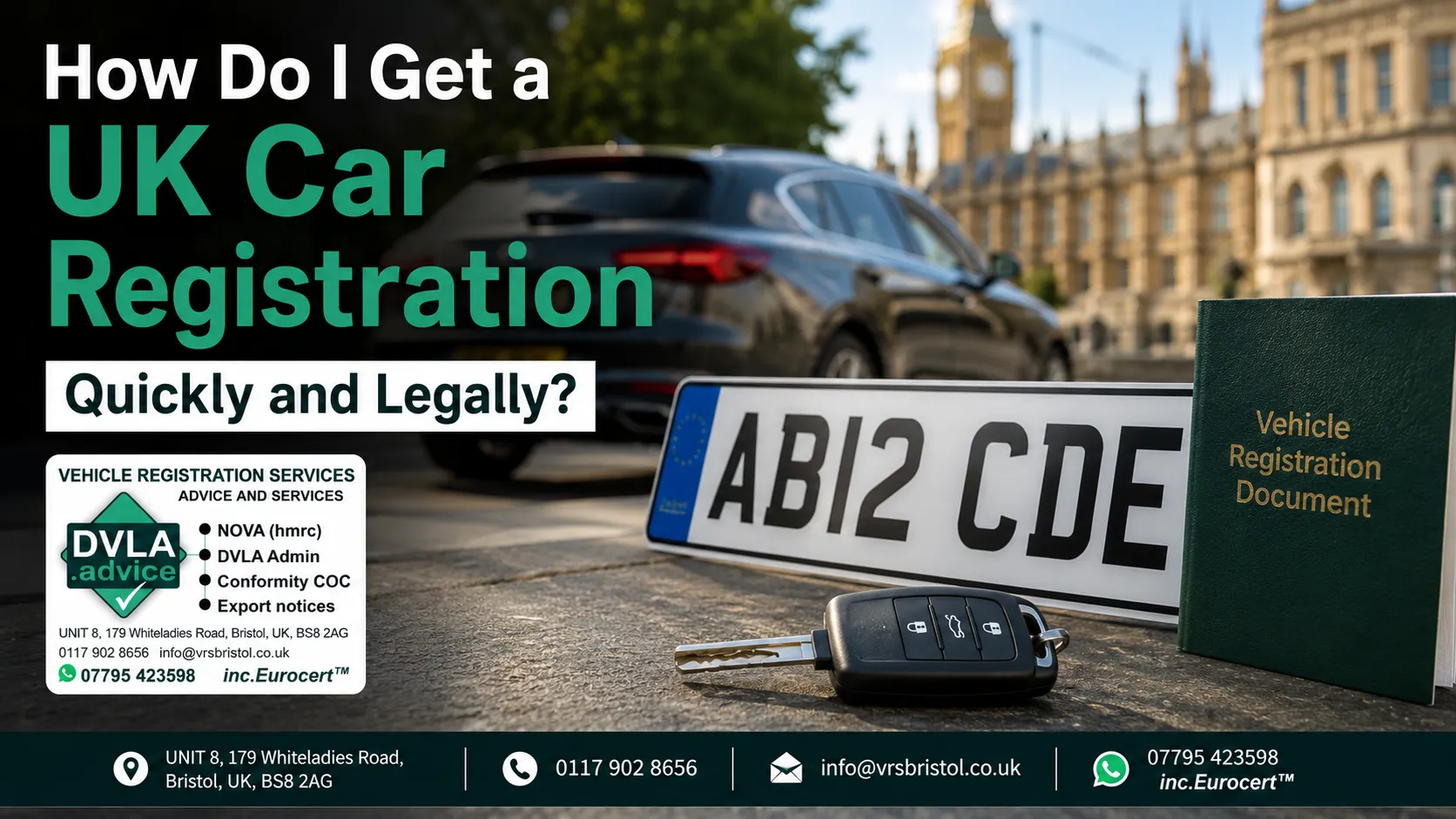

Getting a UK car registration is one of the most important steps in legally putting a vehicle on the road. Whether you have purchased a brand-new car, imported a vehicle from overseas, rebuilt a classic model, or need to register a previously unregistered vehicle, understanding the registration process can save time, prevent delays, and help you avoid costly mistakes.
Many vehicle owners assume registration is a simple administrative task. In reality, the process involves several checks, documents, and approvals that must be completed correctly before a registration number can be issued.
This guide explains how to get a UK car registration quickly and legally, what documents you need, common reasons for delays, and how professional support can simplify the process.
Understanding UK Car Registration
A UK car registration is the official process of recording a vehicle with the relevant authorities so it can be legally used on public roads.
Once registered, the vehicle receives a registration number and is entered into official records. Registration also connects the vehicle to taxation, ownership records, insurance requirements, and roadworthiness regulations.
The registration process varies depending on the type of vehicle involved. For example, registering a new vehicle differs from registering an imported vehicle or a reconstructed classic car.
Understanding which route applies to your situation is the first step toward a smooth application.
Why Vehicle Registration Matters
Driving an unregistered vehicle on public roads can lead to legal complications and financial penalties. Registration confirms that the vehicle meets applicable requirements and that ownership records are properly established.
A valid registration helps ensure:
- Legal road use within the United Kingdom
- Accurate ownership documentation
- Vehicle tax compliance
- Insurance eligibility
- Proper identification through an assigned registration number
Without registration, a vehicle cannot normally be driven legally except in limited circumstances permitted by law.
Situations Where You May Need a UK Car Registration
Several situations require vehicle registration.
Registering a New Vehicle
Most new vehicles purchased through authorised dealers are registered on behalf of the buyer before delivery. However, some specialist or custom-built vehicles may require additional registration procedures.
Registering an Imported Vehicle
Imported vehicles often require additional documentation and compliance checks before registration can be completed. This is one of the most common situations where delays occur.
Registering a Rebuilt or Modified Vehicle
Vehicles that have undergone significant reconstruction or modification may need inspections and supporting evidence before registration approval.
Registering a Previously Unregistered Vehicle
Some vehicles, particularly older imports or historic vehicles, may never have been registered in the UK and therefore require a full registration application.
Documents Needed for UK Car Registration
The exact requirements depend on the vehicle type, but several documents are commonly required.
Proof of Identity
Applicants may need to provide proof of identity and address to verify ownership and eligibility.
Vehicle Documentation
This can include:
- Purchase invoices
- Foreign registration documents
- Certificate of conformity
- Vehicle approval certificates
- Manufacturer documentation
Tax and Import Records
Imported vehicles frequently require evidence that all relevant taxes and import obligations have been satisfied.
Insurance Details
Insurance arrangements may be required during certain stages of the registration process.
MOT Certificate
If applicable, a valid MOT certificate may be needed to demonstrate roadworthiness.
Providing complete and accurate documentation from the start significantly reduces processing delays.
How Long Does UK Car Registration Take?
Processing times vary depending on the complexity of the application and the completeness of the submitted documents.
Straightforward registrations often move faster than applications involving imported vehicles, historic vehicles, or extensive modifications.
Factors that may affect processing times include:
- Missing documentation
- Incorrect application details
- Vehicle inspections
- Import verification requirements
- High application volumes
Submitting a complete application package remains the most effective way to avoid unnecessary delays.
How to Speed Up the Registration Process
Many registration delays are preventable. Careful preparation before submission can make a significant difference.
Ensure Documents Are Accurate
Even small errors can result in requests for additional information. Double-check all names, addresses, vehicle details, and supporting records before submission.
Keep Copies of Everything
Maintaining copies of every document helps resolve issues quickly if questions arise during processing.
Verify Vehicle Compliance
Imported vehicles may need to satisfy specific UK standards before registration approval. Addressing compliance requirements early can prevent setbacks later.
Respond Promptly to Requests
If additional information is requested, providing it quickly helps keep the application moving.
Seek Professional Assistance
Many vehicle owners choose professional support services to manage complex applications and ensure all requirements are met correctly.
Common Mistakes That Delay Registration
Several recurring issues contribute to registration delays each year.
Incomplete Applications
Missing documents remain one of the leading causes of processing delays.
Incorrect Vehicle Information
Errors involving VIN numbers, vehicle specifications, or ownership records often require correction before approval.
Missing Import Documentation
Imported vehicles frequently face delays due to incomplete customs or tax records.
Unclear Ownership Evidence
Authorities must be satisfied that legal ownership has been established before registration can proceed.
Failure to Meet Compliance Requirements
Vehicles that do not meet applicable standards may require additional inspections or approvals.
Avoiding these common mistakes can significantly improve the likelihood of a smooth registration process.
Registering an Imported Vehicle in the UK
Import registrations often involve additional steps compared to standard vehicle registrations.
Vehicle owners may need to provide evidence relating to:
- Import status
- Tax compliance
- Vehicle approval
- Previous foreign registration
- Ownership history
Depending on the vehicle's origin, further requirements may apply.
Many importers discover that preparing documentation correctly from the outset reduces the risk of lengthy delays.
What Happens After Registration Approval?
Once registration has been approved, the vehicle is assigned an official registration number.
The registered keeper receives relevant documentation confirming the registration details.
At this stage, the vehicle can typically proceed through the remaining requirements necessary for legal road use, including taxation and insurance arrangements where applicable.
Owners should carefully review all issued documents to ensure the information is accurate.
Can You Drive a Vehicle Before Registration?
In most situations, an unregistered vehicle cannot be used on public roads until registration requirements have been satisfied.
Specific exceptions may exist for certain testing, inspection, or transport purposes, but these are limited and subject to applicable regulations.
Before driving any vehicle, owners should ensure that registration, insurance, and any other legal requirements have been fully addressed.
Why Professional Guidance Can Help
Vehicle registration requirements can become complicated, especially for imported vehicles, modified vehicles, and specialist registrations.
Professional assistance can help identify documentation requirements, avoid common errors, and improve overall application efficiency.
EUROCERT provides guidance for motorists seeking support with vehicle registration processes and related documentation requirements. Information and assistance can be found through their website at dvlaadvice.co.uk .
Access to experienced support can often reduce uncertainty and help applicants navigate complex registration requirements more confidently.
Understanding Registration Costs
Registration expenses vary depending on the vehicle type and circumstances involved.
Potential costs may include:
- Registration fees
- Vehicle approval requirements
- Import-related charges
- Roadworthiness inspections
- Number plate costs
Applicants should ensure they understand all applicable charges before beginning the registration process.
Budgeting in advance helps avoid unexpected expenses later.
Future-Proofing Your Vehicle Records
After registration has been completed, maintaining accurate records remains important.
Keep copies of:
- Registration documents
- Purchase invoices
- Import paperwork
- Compliance certificates
- Service records
Well-organised records can simplify future ownership transfers, taxation matters, and vehicle sales.
Final Thoughts
Obtaining a UK car registration quickly and legally starts with preparation. Understanding the requirements, gathering the correct documentation, and ensuring compliance with applicable regulations can dramatically reduce delays and complications.
Whether registering a newly imported vehicle, a rebuilt classic, or a previously unregistered car, taking a structured approach helps ensure a smoother experience. For motorists seeking additional guidance, EUROCERT and the resources available through dvlaadvice.co.uk can provide valuable support throughout the process.
Frequently Asked Questions
How do I get a UK car registration number?
A vehicle must complete the appropriate registration process before an official registration number can be assigned. Requirements vary depending on the vehicle type and registration route.
How long does UK vehicle registration take?
Processing times differ based on application complexity, documentation quality, and current processing volumes.
Can I register an imported vehicle in the UK?
Yes. Imported vehicles can be registered provided all applicable requirements, documentation, and compliance standards are satisfied.
What documents are needed for UK car registration?
Requirements may include proof of ownership, identification documents, vehicle records, import paperwork, and compliance certificates.
Can I drive a vehicle before registration is complete?
Generally, vehicles must be properly registered before being used on public roads, subject to limited legal exceptions.
What causes registration delays?
Common causes include missing documents, incorrect information, incomplete ownership records, and unresolved compliance issues.
Do imported cars need additional checks?
Many imported vehicles require additional verification and supporting documentation before registration approval.
Can professional services help with registration?
Yes. Professional support can help ensure documentation is complete and applications are submitted correctly.
Where can I get help with UK vehicle registration?
Guidance and support resources are available through EUROCERT via dvlaadvice.co.uk .
Need a UK car registration without unnecessary delays? Learn the requirements, prepare the right documents, and start your application with confidence today.





























Sign in to leave a comment.