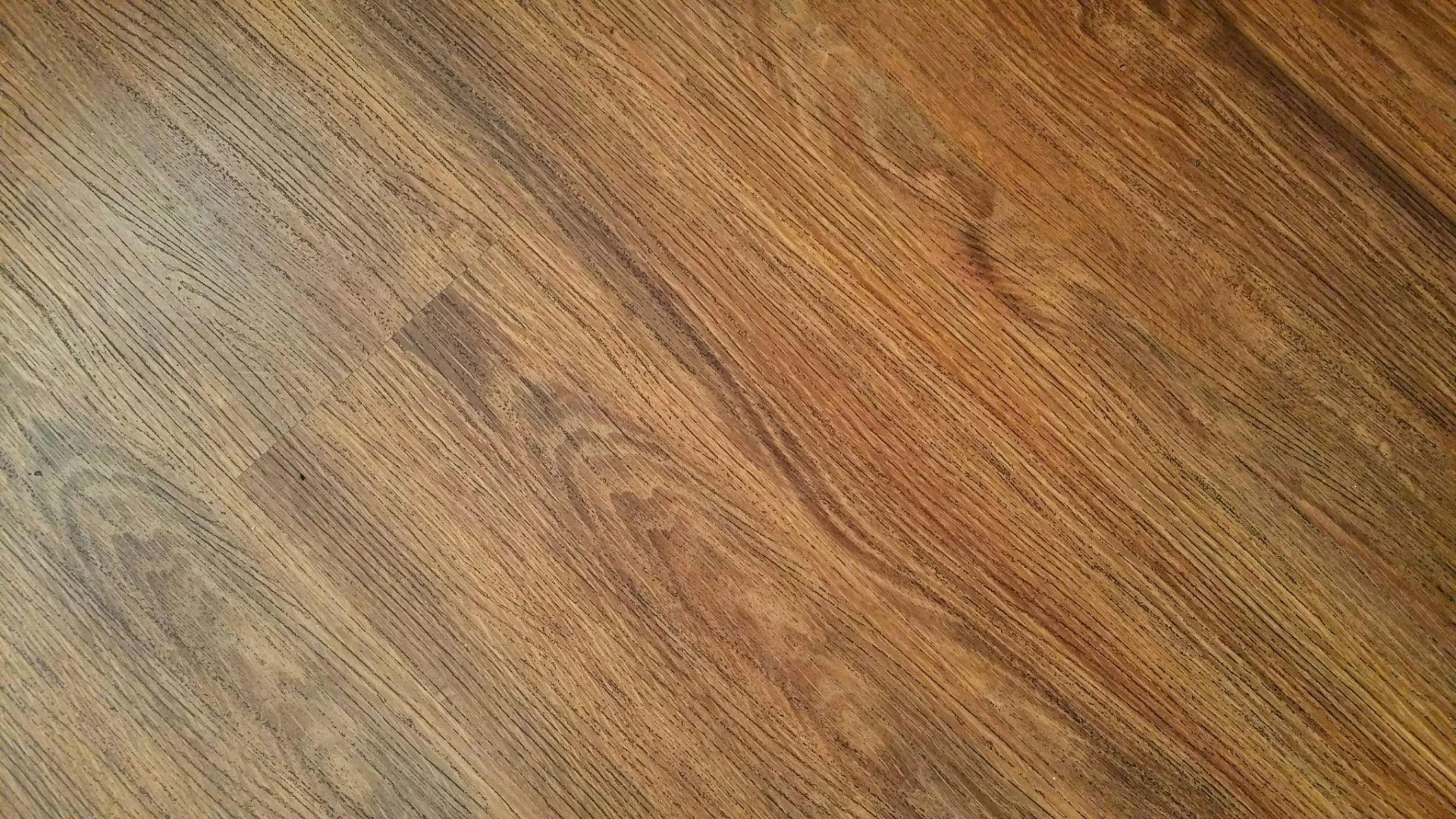

Ever feel like your floors are sticky, no matter how many times they’re mopped? Or maybe the shine just isn’t what it used to be? That dull, cloudy film might not be dirt; it could be wax build-up. Many people wax their floors thinking it’ll keep them looking great, but over time, too many layers can actually cause problems instead of solving them.
Here’s how to tell if wax is the issue and what can be done about it.
What Is Wax Build-Up?
Wax build-up happens when multiple coats of wax are applied without properly stripping the old layers first. Over time, the wax traps dust, dirt, and cleaning residue. This creates a cloudy, sticky surface that regular mopping can’t fix. The more layers added, the worse it gets.
Wax build-up is common in homes and commercial spaces with vinyl, linoleum, or older hardwood floors that still use wax finishes.
Signs of Wax Build-Up
Wax build-up shows up in a few common ways. These signs are easy to spot, especially when cleaning doesn’t seem to help anymore:
● Sticky or tacky surfaces even after drying
● Dull, cloudy finish across high-traffic areas
● Yellowing or dark patches that look dirty but won’t scrub off
● Uneven shine—some areas gleam while others stay flat
● Footprints or mop streaks that appear immediately after cleaning
● Dust, lint, or pet hair sticking to the floor more than usual
These issues tend to get worse over time, especially if new wax is applied over the old without stripping.
How to Test for Wax Build-Up

Not sure if wax is the culprit? A simple spot test can help confirm it.
What to do:
1. Dampen a clean white cloth with ammonia or a vinegar-water solution.
2. Rub it on a small area of the floor in a low-visibility spot.
3. Check the cloth. If it picks up a yellowish or brown residue, that’s likely old wax.
4. Look at the floor—if it becomes less cloudy or less sticky, wax build-up is present.
Important: Do not use ammonia or vinegar on hardwood floors unless you're sure the finish can handle it. For wood floors, always consult a professional.
Why Does Wax Build-Up Happen?
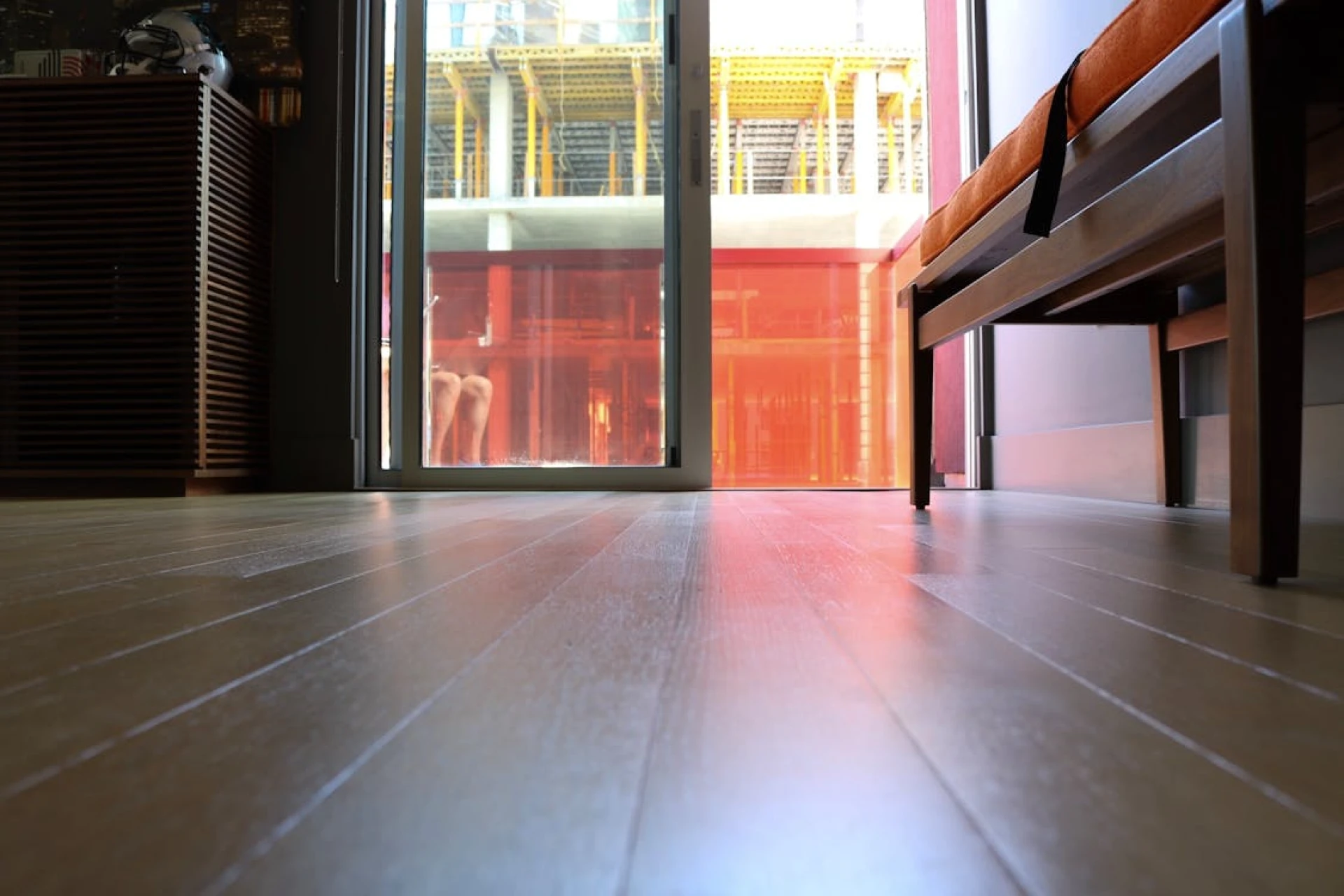
Wax is meant to protect floors and give them a polished look, but when it’s applied too often or incorrectly, it builds up. Here’s how that happens:
● Skipping floor stripping before reapplying wax
● Waxing over dirty floors, trapping grime beneath the surface
● Using wax-based products too frequently
● Letting layers dry unevenly, causing patchy results
● Poor ventilation, which slows down drying and causes wax to settle poorly
These habits cause wax to pile up and hold onto dirt, creating a surface that no longer shines or protects the way it should.
Flooring Types Most Affected
Wax build-up is more likely on certain floor types. It’s important to know what kind of flooring is in the space to avoid making the problem worse.
Most affected surfaces include:
● Vinyl composite tile (VCT): Common in schools and offices
● Linoleum: Older homes and kitchens
● Sealed hardwood: Older wax-treated hardwoods, especially pre-urethane floors
● LVP flooring: When wax-based products are mistakenly used
Modern floors with protective factory finishes (like many hardwoods or LVP) often don’t require wax at all. Using the wrong product can lead to sticky build-up that’s hard to remove.
How Professionals Remove Wax Build-Up
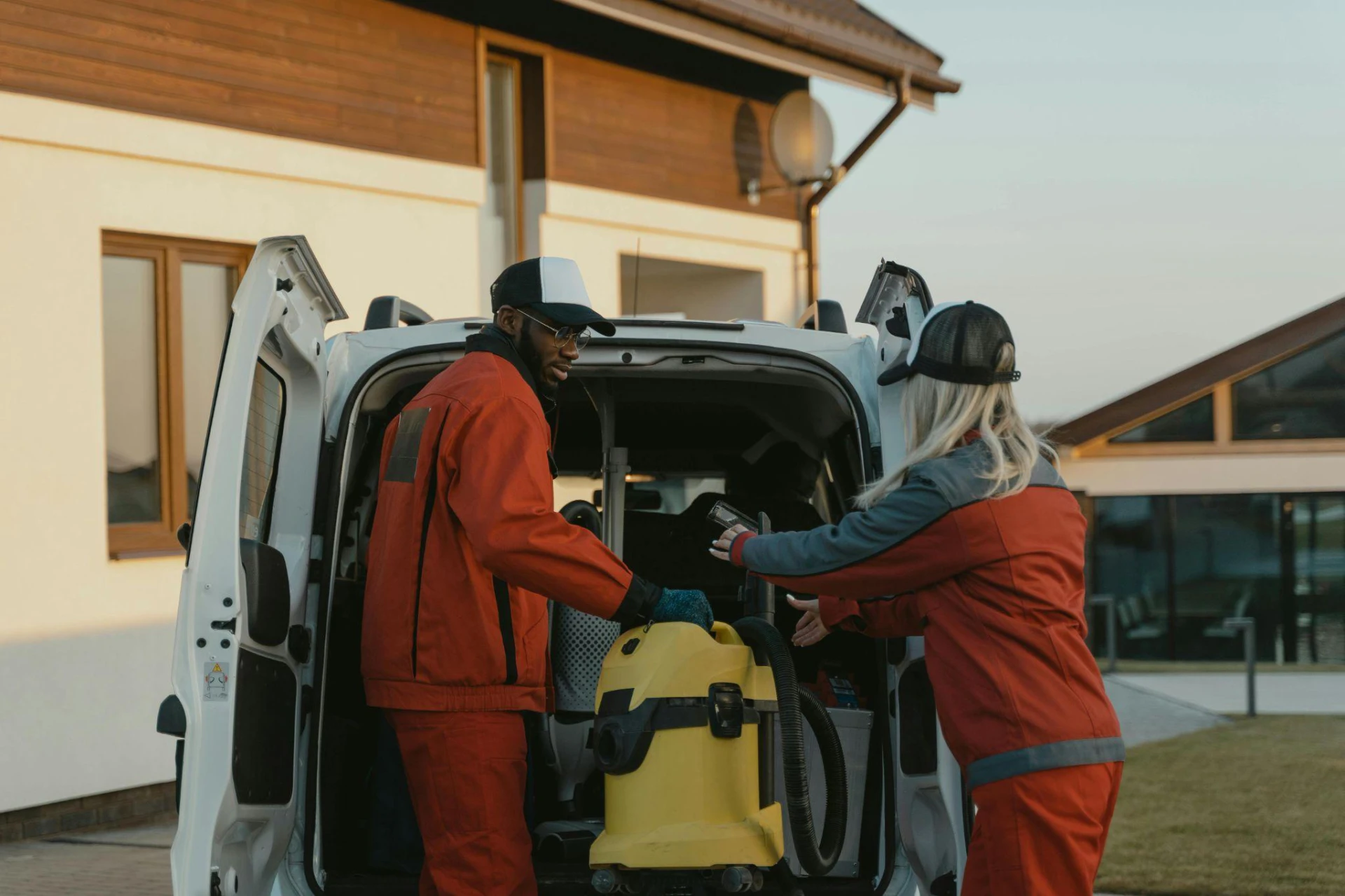
DIY stripping methods can damage floors or leave behind uneven layers. Professional wax removal is the safer, more reliable option.
Typical wax removal process:
● Apply a commercial-grade wax stripper to the surface
● Use a floor scrubber or buffer to agitate the wax
● Extract the residue with a vacuum or mop system
● Rinse the floor to remove all chemical traces
● Let the floor dry completely before applying anything else
Once stripped, professionals can decide whether the floor needs new wax, sealant, or polish, or just regular cleaning.
Tips to Prevent Future Build-Up
After removing old wax, it’s best to keep floors clean without overcoating them again. Here’s how:
● Avoid waxing unless the floor actually needs it
● Never apply wax to floors with factory-applied sealants or polyurethane finishes
● Clean with pH-neutral products made for the specific flooring type
● Use microfiber mops that lift debris rather than spreading it
● Schedule periodic deep cleaning with a professional to keep floors in check
Avoiding wax-based cleaners for floors that don’t need them is one of the best ways to prevent future issues.
Trusted Experts in Wax Removal and Floor Care
Atlanta Top Force specializes in wax build-up removal from flooring and full-service care for a wide range of surfaces. Their team offers expert help with LVP cleaning in Alpharetta, engineered flooring cleaning and maintenance, and hardwood flooring cleaning in Milton for both homes and commercial properties.
They also provide floor refinishing and professional tile and grout cleaning services in Alpharetta, Milton, and Roswell, GA.
Contact Atlanta Top Force today to schedule a floor inspection and say goodbye to wax build-up for good.
































Sign in to leave a comment.