

There is a moment in every transformation that feels almost invisible from the outside. A quiet rearranging. A soft turning of the inner compass. A subtle widening of the space between who we’ve been and who we’re becoming.
Mindset shifts rarely arrive with noise. They begin like a whisper that asks us to listen more closely to ourselves.
For years, I believed change relied on force—more discipline, more pressure, more goals. But as I grew, practiced, traveled, and eventually stepped into my path as The Metamorphosis Coach, I learned that real change is born from stillness, presence, and deep personal evaluation. If you’ve ever felt stuck, overwhelmed, or unable to break an old pattern, you already know how powerful this inner investigation can be.
And when combined with practices like Mindset Visualization coaching, it becomes one of the most transformative tools we have.
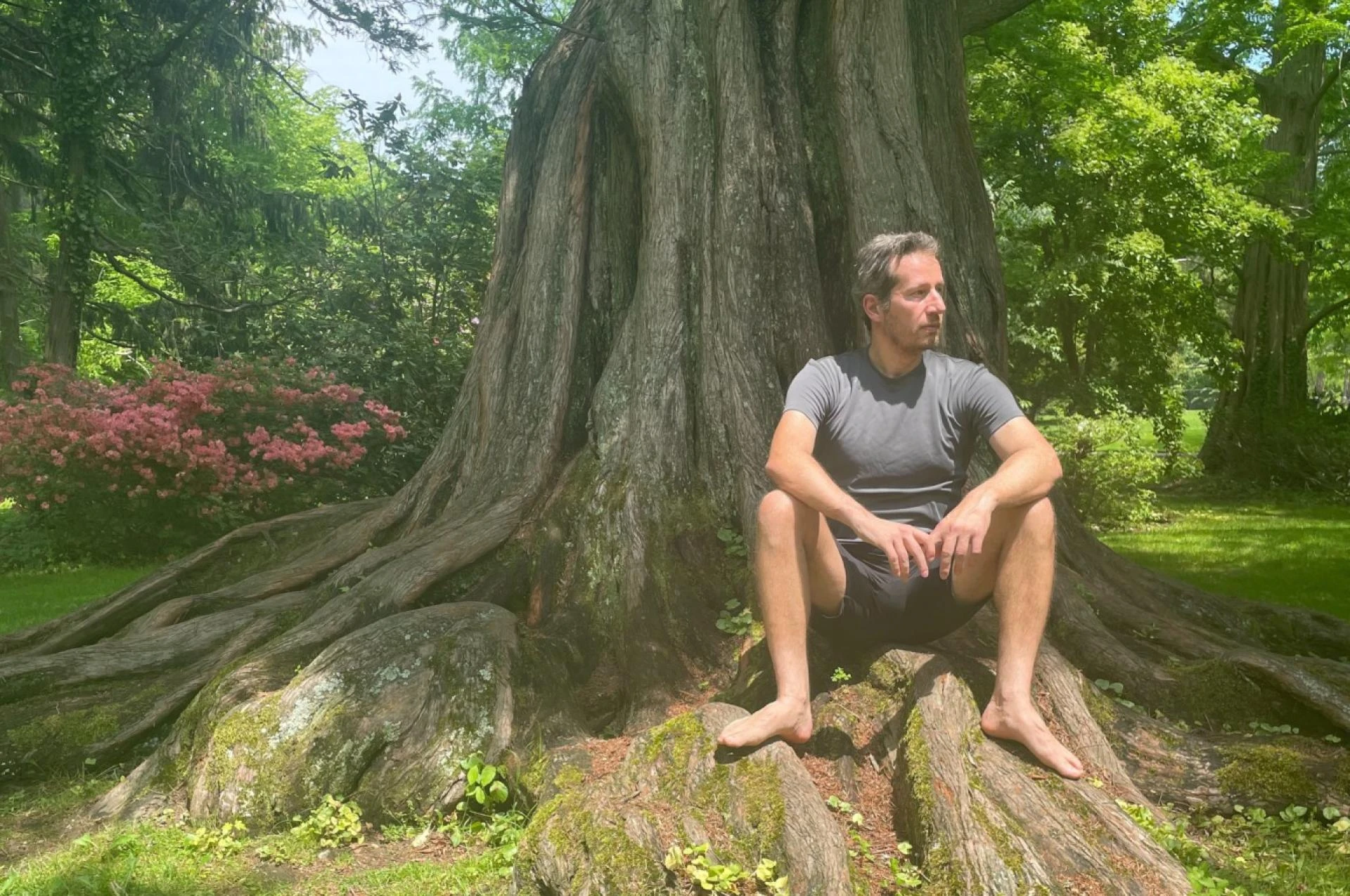
The Quiet Threshold Where Change Begins
Mindset shifts rarely follow a linear plan. They usually start with discomfort—an honest realization that the way we’ve been moving through life no longer aligns with who we want to be.
That discomfort is not the problem; it is the doorway.
I’ve crossed that doorway many times myself. Sometimes willingly. Sometimes dragged by life. And each time I stepped through, it was because I paused long enough to look inward with curiosity instead of judgment.
Deep personal evaluation is not about interrogating ourselves. It’s about learning to observe the patterns beneath the surface: the beliefs that shape our reactions, the fears that dictate our choices, and the stories we repeat without noticing.
This is where transformation begins—long before any outward change appears.
A Moment That Changed My Understanding of the Mind
Years ago, while traveling through Southeast Asia after a long season of tournaments and personal strain, I arrived in Phuket feeling drained. My body was tight, my thoughts scattered, and I could sense that something inside me needed to shift.
One morning, I wandered through the grounds of a quiet temple. The place carried a calmness that felt almost medicinal—lush trees, soft air, and the slow rhythm of monks moving through their day. I wasn’t looking for guidance, but guidance found me anyway.
A monk noticed me sitting alone and invited me to join him. He didn’t ask about my life or my goals. He simply observed me with a gentleness I hadn’t offered myself in months.
He said, “When your mind moves too fast, your life moves too fast with it.”
There was no lecture. No spiritual performance. Just presence.
We sat together in silence for several minutes. My thoughts did what thoughts do—they resisted, argued, raced. But slowly, as I listened to the sound of the wind and allowed myself to be still, something softened.
And the insight that rose inside me became one of the pillars of my metamorphosis coaching framework:
Clarity is not created through effort; it’s created through awareness.
The monk didn’t give me answers. He gave me space. And in that space, I began to understand that my anxiety wasn’t a threat. It was a messenger. A call to pay attention to parts of myself I had been ignoring.
Mindset shifts happen in these inward, honest, unfiltered moments.
What Deep Personal Evaluation Really Means
People often think self-evaluation is about looking for what’s wrong with them.
But meaningful evaluation is about understanding, not criticism.
Here’s what it truly involves:
1. Noticing The Emotional Patterns
Most of our reactions are conditioned. When we pause long enough, we begin to see what triggers us and why.
2. Listening to the Mind Without Obedience
Your thoughts are not commands. They are indicators. Observing them teaches you what needs healing.
3. Rewriting the Internal Narrative
Mindset shifts happen when we stop repeating outdated stories and start creating ones that match our next chapter.
4. Building Presence
Presence interrupts autopilot. When you're present, even for a few seconds, you access choice instead of reaction.
5. Practicing Compassion Toward Yourself
Self-compassion is not softness. It’s strength that allows you to grow sustainably.
A Quote from My Journey
Here are two insights I’ve shared many times with clients during deep coaching work:
“Your mind cannot reveal the truth when it is rushing. Stillness is where the real answers begin.”
“The moment you stop fighting who you’ve been, you make room for who you’re becoming.”
Both emerged from years of personal learning, travel, performance psychology, and helping people through transformational work.
Why Mindset Shifts Feel So Hard at First
Because change challenges the identity we’ve built to protect ourselves.
It pulls us away from familiar fears.
It asks us to step into a life we haven’t fully imagined yet.
Even when the new life is better, the path toward it often feels uncertain. That is why many people stay stuck—not because they lack strength, but because they lack clarity.
Deep personal evaluation brings that clarity back into focus.
With tools like Personal Growth coaching, clients often realize their challenges have nothing to do with lack of discipline and everything to do with mismatched beliefs, emotional blocks, and unexamined fears.
Solutions: How to Start Your Own Mindset Shift
Here are steps I often guide people through when they're ready for inner change:
1. Sit With Yourself, Not Against Yourself
Give yourself five minutes each day with no agenda. Sit, breathe, listen.
Awareness begins here.
2. Track Your Emotional Reactions
What triggers tension? What makes you defensive? What makes you retreat?
Patterns reveal the beliefs that need transforming.
3. Replace Harsh Self-Talk with Honest Inquiry
Instead of “Why am I like this?” try “What is this moment trying to show me?”
4. Visualize Your Next Version
See yourself living with clarity, steadiness, and confidence.
Visualization is not fantasy. It is direction.
5. Share Your Truth With Someone You Trust
Growth accelerates when we’re witnessed without judgment.
6. Seek Guidance When Needed
Working with a Metamorphosis Coach can help you explore blind spots and shift long-held beliefs with structured support.
A Final Word: Your Mindset Shifts When You’re Ready to See Yourself Clearly
Mindset shifts don’t happen because we force them.
They happen because we finally create space for honesty.
Every time I’ve gone through a personal transformation, it started with a moment of stillness followed by a courageous question. Not “How do I fix myself?” but “What part of me needs care, clarity, or understanding right now?”
If you’re standing at a turning point, uncertain of what’s next, begin with presence. Give yourself space to breathe, reflect, and listen. You may be surprised by how much wisdom rises when you stop running from yourself.
Your metamorphosis starts with one quiet moment of truth.
Honor it, and it will guide you toward the life you’re meant to live.
FAQs
1. Why do mindset shifts feel uncomfortable at first?
Because change asks you to step away from familiar patterns, even if those patterns limit you. The discomfort is a sign that a deeper truth is being revealed.
2. What is the role of personal evaluation in transformation?
It helps you understand the beliefs, emotions, and patterns that shape your decisions. Without evaluation, change becomes temporary. With it, transformation becomes sustainable.
3. Can mindset shifts happen without guidance?
Yes, but guidance accelerates clarity. A skilled coach can help you see blind spots you may miss on your own.
4. How long does it take for a mindset shift to stick?
It varies, but most shifts begin internally long before they have visible results. Consistency and awareness make the shift lasting.
5. Does visualization really help change the mind?
Absolutely. Visualization activates the same neural pathways involved in real action, making it easier to embody new patterns.






























Sign in to leave a comment.