

A Guide to Building Skills and Confidence
Choosing the right tennis program is one of the most important decisions parents can make for a young player. The right environment helps children develop solid fundamentals, confidence, discipline, and a genuine love for the game. Families should look beyond quick victories and focus on a program that encourages steady improvement through structured learning. Children who enjoy every lesson usually remain committed longer, continue developing their skills, and build healthy habits that benefit them both on and off the court.
Why Long-Term Development Matters
Many parents celebrate early victories because they show that hard work is paying off. However, winning a few matches does not always predict future success. Children improve at different speeds, and every player follows a unique learning journey. Programs that focus on gradual progress usually produce confident players who continue improving year after year.
Learning tennis requires patience. Every lesson should build upon the previous one so children gain confidence before learning more advanced techniques. Coaches should encourage steady improvement instead of expecting perfection. This balanced approach helps young players stay motivated while reducing unnecessary pressure.
Parents should also understand that emotional growth is just as valuable as technical development. A child who learns resilience after losing a match often gains skills that extend well beyond sports. Confidence, discipline, teamwork, and problem-solving become lifelong strengths. Those qualities make long-term development much more valuable than early trophies.
Competitive Tennis Training Builds Strong Fundamentals
Competitive tennis training should develop skills through a clear and organized pathway rather than rushing children into competition. Young players first need strong footwork, proper racket control, balance, and coordination before learning advanced tactics. Every stage prepares them for the next level of development. This steady progression creates better habits and reduces frustration during practice.
Parents should look for programs that divide instruction according to age and playing ability. Children learn more effectively when drills match their physical and mental development. Coaches should also explain why each exercise matters because understanding increases confidence and keeps players engaged. Lessons become more enjoyable when children know how each activity improves their performance.
A structured curriculum should include regular skill assessments and measurable goals. These evaluations help parents understand their child's progress without relying only on match results. Coaches can identify strengths, highlight areas for improvement, and recommend the next stage of learning. Consistent feedback helps children stay motivated while continuing to build strong fundamentals.
Signs of a Well-Structured Program
| Feature | Benefit for Young Players |
|---|---|
| Progressive lesson plans | Builds skills in the correct order |
| Age-appropriate groups | Supports comfortable learning |
| Small coach-to-player ratio | Provides more individual attention |
| Regular progress reviews | Measures continuous improvement |
| Practice matches | Builds confidence before tournaments |
| Flexible scheduling | Makes regular attendance easier |
Signs of Effective Tennis Coaching
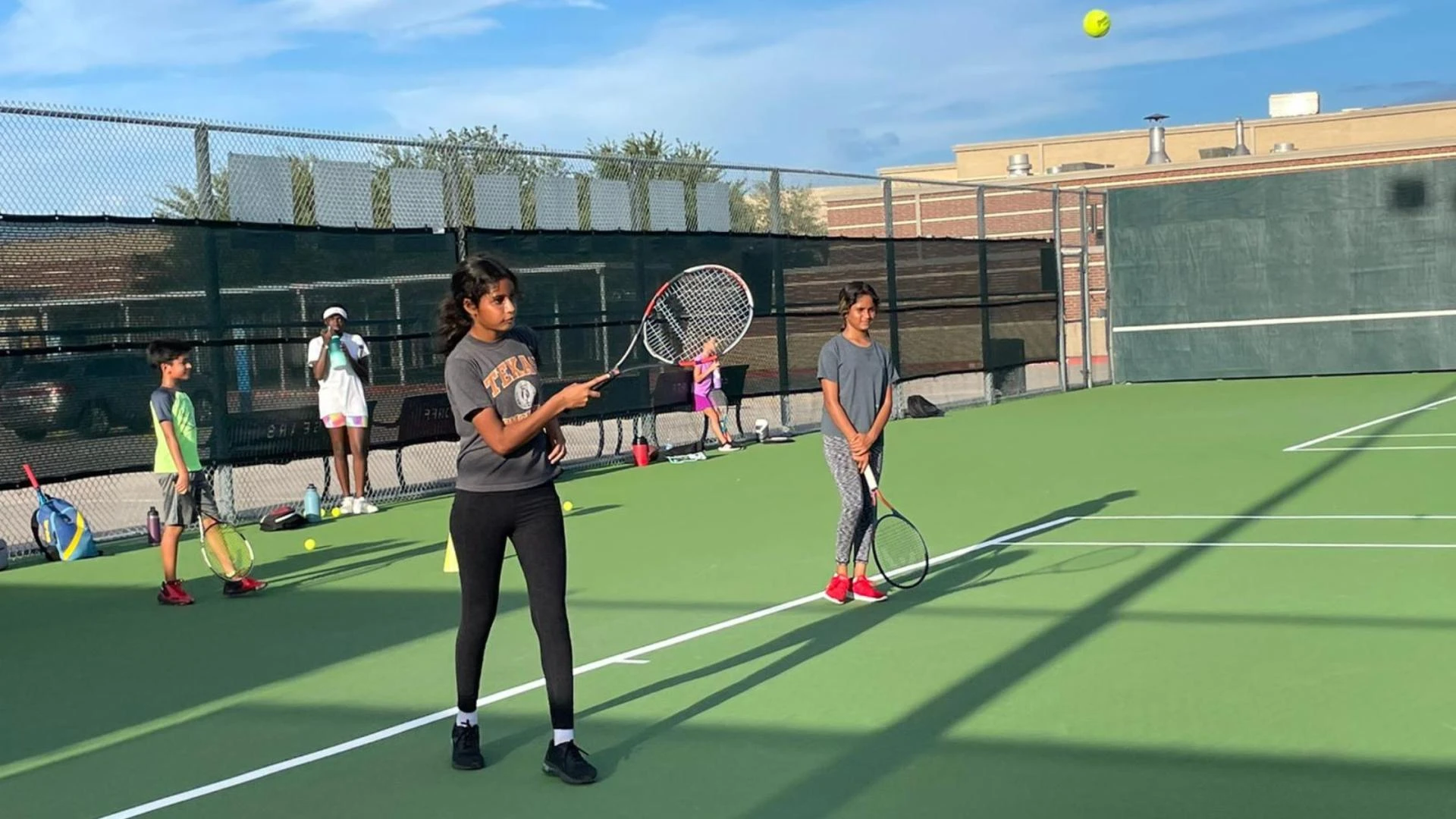
Every child learns differently, so teaching methods should adapt to individual needs. Tennis coaching becomes more effective when coaches combine demonstrations, simple explanations, and engaging practice drills. Children understand new techniques more quickly when lessons remain interactive and enjoyable. Positive encouragement also helps players overcome mistakes without losing confidence.
Parents should observe how coaches communicate during lessons. Good coaches remain patient, provide constructive feedback, and celebrate improvement instead of focusing only on mistakes. They create an environment where children feel comfortable asking questions and trying new skills. That atmosphere helps young players develop confidence alongside technical ability.
Effective coaches also maintain regular communication with parents. Progress updates, realistic goals, and helpful practice suggestions allow families to support learning at home. Children benefit when parents and coaches work together toward the same development goals. Strong communication creates a consistent learning experience that encourages long-term improvement.
Questions Parents Should Ask Before Joining a Program
Choosing a tennis academy becomes much easier when parents ask detailed questions before enrolling their child. Every answer reveals how the program supports long-term growth instead of short-term results. Families should focus on coaching methods, player development, communication, and opportunities for improvement. A thoughtful discussion often helps parents compare programs with greater confidence.
Parents may consider asking the following questions before making a decision.
- How are players grouped according to age and skill level?
- How often are progress evaluations completed?
- What goals should children achieve during each stage of learning?
- How do coaches communicate progress with parents?
- Are practice matches included during the season?
- Are private lessons available for additional improvement?
- What options are available if a lesson is missed?
The answers should reflect a structured learning pathway rather than a one-size-fits-all approach. Coaches should explain how each stage prepares children for the next level of development. Parents should also understand how feedback is shared throughout the season. Open communication creates trust and helps children receive consistent support both on and off the court.
Building Confidence Through Fun and Structured Learning
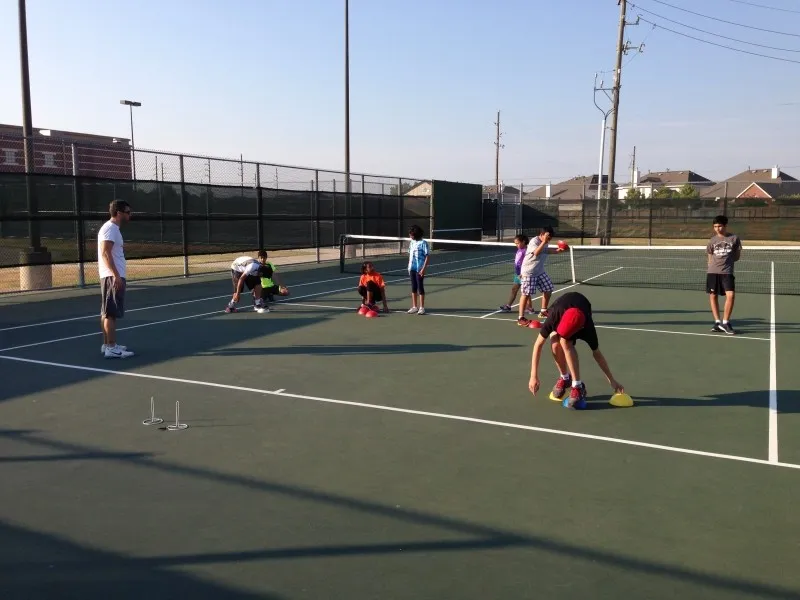
Children improve more quickly when learning remains enjoyable throughout every lesson. Competitive tennis training should challenge young players while keeping activities interesting and engaging. Fun games, movement drills, and friendly competition encourage children to stay active without feeling overwhelmed. A positive learning environment often leads to better focus, stronger motivation, and greater consistency.
Confidence grows through repeated success during practice. Coaches should celebrate effort, improvement, and sportsmanship alongside technical development. Children become more willing to try difficult skills when they know mistakes are treated as learning opportunities. This positive mindset helps players continue developing even when progress feels slow.
Parents also play an important role in maintaining enthusiasm. Encouraging regular attendance, praising effort, and celebrating personal improvement create healthy expectations. Children who enjoy every lesson are more likely to continue playing for many years. That long-term commitment supports athletic development and personal growth.
Many families searching for a balanced learning environment eventually discover Katy Tennis Academy, where children learn tennis fundamentals through enjoyable lessons designed for different ages and ability levels. Flexible morning and evening classes, together with private instruction, allow families to maintain a consistent schedule that supports continuous improvement while keeping learning enjoyable.
Tracking Progress Beyond Winning Matches
Parents often judge improvement by match results alone, but victories tell only part of the story. Tennis coaching should measure growth through technical skills, movement, confidence, decision-making, and consistency during practice. These improvements usually appear long before tournament success becomes visible. Looking at overall development provides a much clearer picture of a child's progress.
Regular evaluations help coaches identify strengths while creating realistic goals for future improvement. Parents gain a better understanding of what their child has mastered and which skills need additional attention. Progress reports also encourage meaningful conversations between families and coaches. This partnership creates a supportive environment where children continue learning with confidence.
Every player develops at a different pace, so comparisons with other children should be avoided. Some young athletes improve their movement first, while others gain confidence through stronger serving or better rally consistency. Steady improvement matters far more than quick success. Long-term development remains the foundation of lasting achievement.
Creating Habits That Lead to Long-Term Success
Success in tennis depends on consistent habits developed over months and years of practice. Competitive tennis training becomes more effective when children attend lessons regularly, practice with purpose, and remain patient during the learning process. Small improvements made every week eventually become noticeable during matches. Consistency always produces stronger results than occasional bursts of effort.
Healthy routines also extend beyond the tennis court. Proper sleep, balanced nutrition, hydration, and physical activity help young players perform at their highest level. Parents who encourage these habits provide children with a stronger foundation for athletic and personal development. Good habits developed early often remain valuable throughout life.
Coaches should encourage goal setting that focuses on improvement instead of perfection. Children who celebrate progress stay motivated through both successes and setbacks. Learning to overcome challenges builds resilience, confidence, and discipline. Those qualities support long-term success in tennis as well as many other areas of life.
Conclusion
Choosing the right tennis program requires more than comparing schedules or lesson fees. Parents should look for qualified coaches, structured player development, age-appropriate instruction, and an environment where children enjoy learning while steadily improving. A balanced program builds technical ability, confidence, discipline, and a genuine appreciation for the sport.
Families seeking that combination often consider Katy Tennis Academy because it focuses on making tennis enjoyable while helping players build strong fundamentals through flexible classes and private lessons designed for different ages and ability levels. When children receive consistent guidance in a supportive environment, long-term success becomes a realistic goal rather than just a hopeful expectation.
Frequently Asked Questions
Q1. How does competitive tennis training help children improve faster?
Competitive tennis training helps children develop strong fundamentals through structured practice, age-appropriate drills, and regular match play. Players gradually improve their footwork, coordination, shot selection, and confidence while learning good sportsmanship. At Katy Tennis Academy, children receive guidance that supports steady progress while keeping every lesson enjoyable and engaging.
Q2. Why is tennis coaching important for long-term player development?
Quality tennis coaching gives children the technical skills, confidence, and discipline needed to improve over time. Coaches provide constructive feedback, set realistic goals, and adapt lessons to each player's ability level. Katy Tennis Academy focuses on creating a positive learning environment where every child can continue developing at a comfortable pace.
Q3. What should parents look for in a competitive tennis training program?
Parents should choose a competitive tennis training program that offers a structured curriculum, qualified coaches, regular progress evaluations, and opportunities for practice matches. Age-based instruction and clear development pathways also contribute to long-term success. Katy Tennis Academy provides flexible programs designed to help children build skills while enjoying the learning process.
Q4. How often should children attend tennis coaching sessions?
The ideal schedule for tennis coaching depends on a child's age, experience, and goals. Most beginners benefit from one or two lessons each week, while advanced players may train more frequently. Katy Tennis Academy offers flexible morning and evening classes, making it easier for families to maintain a consistent practice routine.
Q5. When should a child begin competitive tennis training?
Children can begin competitive tennis training once they have developed basic coordination, interest in the sport, and a willingness to learn. Every child progresses at a different pace, so early development should focus on building strong fundamentals before entering competitive play. Katy Tennis Academy offers age-appropriate instruction that supports gradual and enjoyable growth.
Q6. What makes effective tennis coaching different from regular tennis lessons?
Effective tennis coaching goes beyond teaching strokes and serves. It includes personalized feedback, goal setting, technical development, mental confidence, and continuous progress evaluations. Katy Tennis Academy combines structured instruction with enjoyable activities to help children remain motivated while developing their skills over the long term.
Q7. Can competitive tennis training prepare children for tournaments?
Yes. Competitive tennis training helps children develop the technical ability, tactical awareness, physical fitness, and mental confidence needed for tournament play. Regular practice matches and structured skill development prepare players for competitive situations without placing unnecessary pressure on them. Katy Tennis Academy helps young athletes build these qualities through progressive instruction that supports long-term success.


























Sign in to leave a comment.