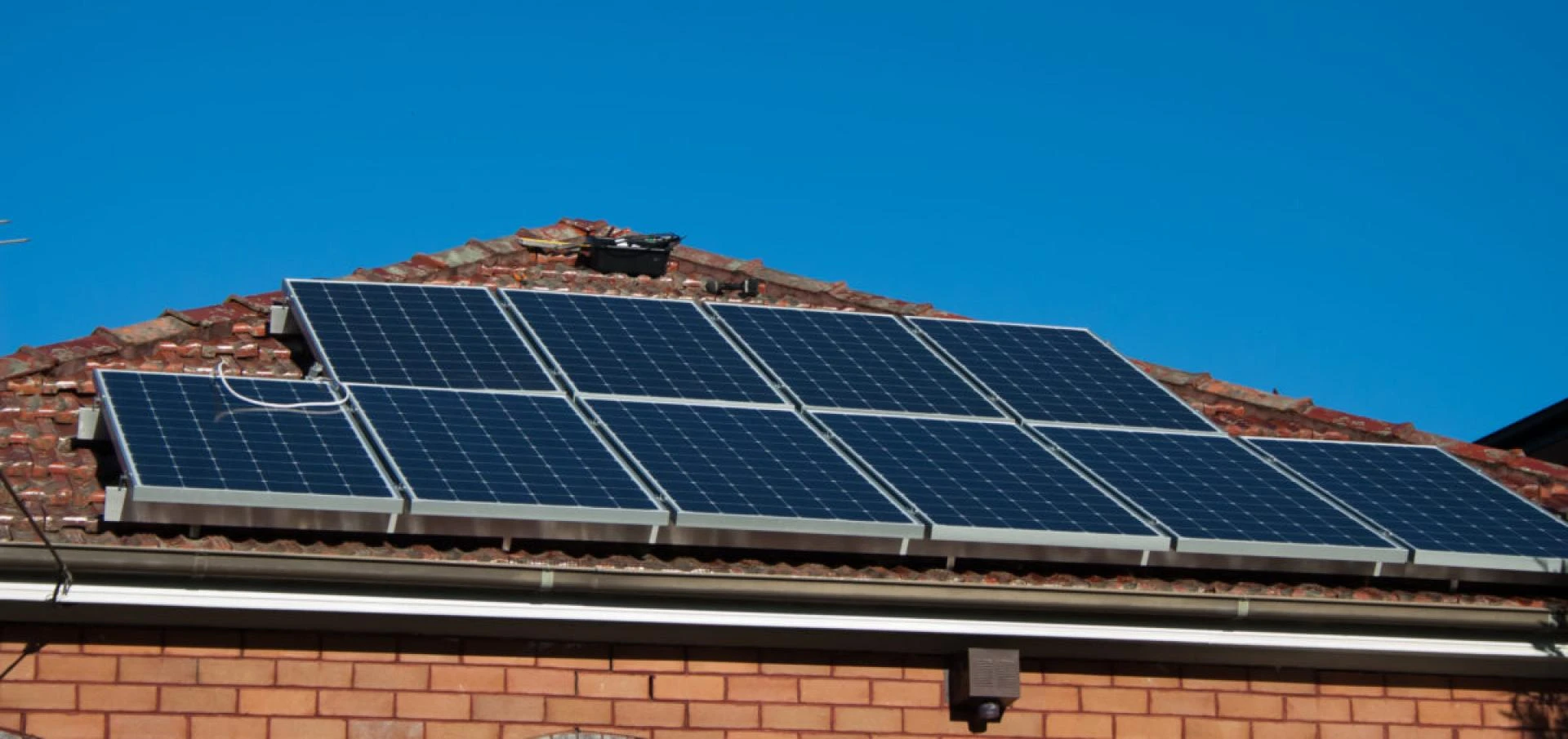
When sunlight hits a solar panel, it generates direct current (DC) electricity. That electricity is then converted into alternating current (AC) by an inverter for immediate home use. If your solar system includes a battery, any excess electricity that your home does not use is stored in the battery instead of being sent back to the grid. This stored energy can then be used at night, during blackouts, or when utility rates spike.
Now more than ever, solar panels and batteries are becoming the backbone of modern, energy-resilient homes. Whether you are looking to slash your power bill, reduce your carbon footprint, or simply want energy independence, integrating solar panels with battery storage is no longer just a trend, it is the future of smart living. At Renostain, we help homeowners transition smoothly into that future with reliable, cost-effective solar energy solutions tailored for real life.
Understanding the Role of Solar Panels in Modern Energy Systems
What Are Solar Panels and How Do They Work?
Solar panels, or photovoltaic (PV) panels, are designed to absorb sunlight and convert it into usable electricity. Each panel is made of many solar cells that capture energy from the sun, generating clean, renewable power. These systems work most efficiently when paired with inverters, which convert the generated DC into AC, making it compatible with your home appliances.
Types of Solar Panels You Can Install
There are three primary types of solar panels available today:
- Monocrystalline panels: Known for high efficiency and sleek design
- Polycrystalline panels: More budget-friendly, slightly less efficient
- Thin-film panels: Lightweight, flexible, and ideal for large surfaces
Choosing the right type depends on your energy needs, budget, and roof space something Renostain can help assess during a personalized consultation.
Why Solar Batteries Are a Game Changer
The Purpose of Solar Battery Storage
A solar battery stores the extra energy your panels produce during the day, giving you the ability to use that energy when the sun is not shining. This means less reliance on the grid, increased energy independence, and long-term savings on electricity bills.
Popular Types of Solar Batteries
- Lithium-ion batteries: The most efficient and longest-lasting
- Lead-acid batteries: Affordable but require more maintenance
- Saltwater batteries: Non-toxic and environmentally friendly
Lithium-ion batteries tend to dominate the market due to their compact size, deep discharge capabilities, and long lifespan often up to 15 years or more.
Benefits of Solar Panels and Batteries for Homeowners
1. Energy Independence
With a fully integrated solar and battery system, you are no longer subject to the whims of power outages or rising utility rates. Your home runs on your terms.
2. Lower Energy Bills
By storing and using your own electricity, you reduce your dependence on peak-hour grid electricity, cutting down your monthly energy costs significantly.
3. Backup Power During Blackouts
Solar batteries ensure that you have power even when the grid fails. Essential appliances like refrigerators, lights, and even medical equipment stay operational.
4. Environmental Impact
A solar energy system with battery storage dramatically reduces your carbon footprint. You’re not just saving money you’re contributing to a cleaner, more sustainable planet.
5. Increase Property Value
Homes with solar and battery systems tend to sell faster and at higher prices. Buyers value energy efficiency and future-proof features.
Is It Worth Installing Solar Panels with Batteries in 2025?
Absolutely. With dropping battery prices and improved government rebates and incentives, the return on investment has never been better. Solar battery systems now come with robust warranties and smart features, including remote monitoring and load balancing. The future of energy is not just renewable it is intelligent. And it is already here.
At Renostain, we combine high-efficiency solar panels with premium battery systems to give you a worry-free setup that’s designed to evolve with your lifestyle.
Factors to Consider Before You Install
- Your current and projected energy usage
- Roof orientation and available space
- Your local climate and average sunlight hours
- Budget and available solar incentives or rebates
- Local energy policies and grid connection rules
Our team at Renostain walks you through every factor, making sure your system is custom-built for your needs, not a one-size-fits-all solution.
Smart Integration: Inverters, Monitoring Systems, and Beyond
Inverters are the brains behind your solar setup, and when paired with smart monitoring tools, you can track your energy generation, storage, and consumption in real-time. These insights help optimize performance, detect inefficiencies, and improve long-term system health.
A well-designed solar battery system also includes an automatic transfer switch (ATS) for seamless switchovers during grid outages and load prioritization to power essential appliances first.
Maintenance and Lifespan
Solar panels typically last 25 to 30 years with minimal maintenance. Battery lifespans range from 10 to 15 years, depending on type and usage patterns.
Routine inspections, firmware updates, and monitoring performance metrics help extend the lifespan of your system. At Renostain, we offer maintenance packages that ensure your setup continues working at peak performance.
Conclusion
The synergy between solar panels and battery storage is redefining how homeowners think about energy. Whether you are driven by cost savings, sustainability, or the peace of mind that comes from energy independence, this technology delivers on every front. And with the guidance of Renostain, the path to smart, solar-powered living is not just possible it is surprisingly simple.
Frequently Asked Questions
1. Can solar panels charge a battery during cloudy weather?
Yes, though solar panels produce less electricity on cloudy days, they can still generate enough to partially charge a battery, depending on system size and energy usage.
2. How many solar panels do I need for a battery system?
This depends on your daily energy consumption and desired backup duration. A typical household may need between 10 and 16 panels with a 10-15 kWh battery.
3. What happens when my solar battery is full?
Once your battery is full, excess electricity is either sent back to the grid (if your system is grid-tied) or curtailed automatically.
4. Are there rebates or incentives for installing solar batteries?
Yes. Many states and countries offer financial incentives, rebates, or tax credits to encourage solar adoption. Renostain can help you navigate available programs.
5. Can I add a battery to my existing solar panel system?
Yes, in most cases. Retrofitting your system with a battery is possible, though you may need an upgraded inverter or additional space.
Let me know if you’d like this broken into social snippets, repurposed for a landing page, or formatted for WordPress.

























Sign in to leave a comment.