

Outdoor lighting has evolved significantly in recent years, and solar wall lights have become a popular choice for homeowners who want an energy-efficient and eco-friendly lighting solution. These lights use solar energy to illuminate outdoor spaces such as balconies, gardens, patios, and home entrances without relying on traditional electricity.
But how exactly do solar wall lights work? Understanding the basic technology behind them can help you make better decisions when choosing outdoor lighting for your home.
What Are Solar Wall Lights?
Solar wall lights are outdoor lighting fixtures that are mounted on walls and powered entirely by sunlight. Instead of using electricity from the grid, they capture solar energy during the day and convert it into stored power that can be used to illuminate spaces at night.
These lights are commonly used in areas such as:
- Home entrances
- Balconies and terraces
- Garden walls
- Pathways and driveways
- Outdoor security zones
Because they operate without electrical wiring, solar wall lights are easy to install and maintain.
Key Components of Solar Wall Lights
To understand how solar wall lights function, it is important to know the main components that make up the system.
1. Solar Panel
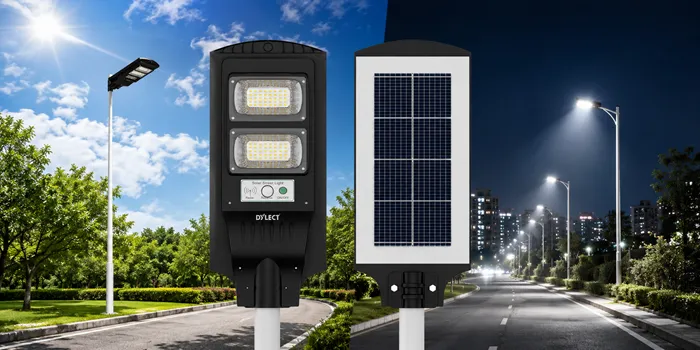
The solar panel is responsible for capturing sunlight during the day. It converts sunlight into electrical energy through a process called photovoltaic conversion.
Most solar wall lights use high-efficiency solar panels that charge the internal battery even in moderate sunlight conditions.
2. Rechargeable Battery
The electricity generated by the solar panel is stored in a rechargeable battery. This battery holds the energy collected during the day so that the light can operate at night.
High-quality batteries allow solar wall lights to run for several hours after sunset.
3. LED Light Source
Modern solar wall lights use LED bulbs because they consume very little power while producing bright illumination. LEDs are also durable and have a longer lifespan compared to traditional bulbs.
This combination of energy efficiency and brightness makes LEDs ideal for solar lighting systems.
4. Light Sensor (Dusk-to-Dawn Sensor)
Most solar wall lights come with built-in light sensors. These sensors automatically detect changes in natural light.
- During the day, the lights remain off while the battery charges.
- At dusk, the sensor activates the light automatically.
- At dawn, the light turns off and the charging process begins again.
This automated operation makes solar lighting extremely convenient for homeowners.
5. Controller System
The controller regulates the flow of energy between the solar panel, battery, and LED light. It ensures efficient charging during the day and controlled power usage at night.
Some advanced solar wall lights also include intelligent controllers that optimize brightness and battery usage.
Step-by-Step: How Solar Wall Lights Work
The operation of solar wall lights follows a simple daily cycle:
Step 1: Energy Collection
During daylight hours, the solar panel absorbs sunlight and converts it into electrical energy.
Step 2: Energy Storage
The generated electricity is stored in the rechargeable battery inside the lighting unit.
Step 3: Automatic Activation
As evening approaches, the built-in light sensor detects lower light levels and automatically turns the LED light on.
Step 4: Nighttime Illumination
The stored energy powers the LED lights, providing illumination throughout the night.
Step 5: Recharge Cycle
When daylight returns, the lights automatically turn off and the solar panel begins charging the battery again.
This daily cycle allows solar wall lights to function independently without any external power supply.
Advantages of Solar Wall Lights
There are several reasons why solar wall lights are becoming a preferred outdoor lighting solution.
Energy Efficiency
Since they rely entirely on solar power, these lights help reduce electricity consumption and lower energy bills.
Easy Installation
Solar wall lights do not require complex wiring or electrical connections, making installation quick and hassle-free.
Environmentally Friendly
By using renewable energy, solar lighting helps reduce carbon emissions and supports sustainable living.
Low Maintenance
Modern solar wall lights are designed to be durable and weather-resistant, requiring minimal maintenance.
Automatic Operation
The built-in dusk-to-dawn sensors ensure the lights operate automatically without manual control.
Where Solar Wall Lights Work Best
Solar wall lights are ideal for several outdoor applications, including:
- Garden walls and fences
- House entrances and gates
- Balcony and terrace lighting
- Pathway illumination
- Security lighting around homes
Their ability to provide reliable lighting without wiring makes them especially useful for outdoor spaces.
Choosing Quality Solar Wall Lights
When selecting solar lighting for your home, it is important to look for durable construction, efficient solar panels, and reliable battery performance. Brands like Dylect offer solar lighting solutions designed for outdoor environments, combining energy efficiency with modern design.
Conclusion
Solar wall lights provide a simple yet effective way to illuminate outdoor spaces using clean and renewable energy. By capturing sunlight during the day and automatically lighting up at night, these systems offer convenience, energy savings, and environmental benefits.
As solar technology continues to improve, solar wall lights are becoming an increasingly practical solution for homeowners who want sustainable, low-maintenance outdoor lighting. Whether for safety, decoration, or convenience, solar wall lights are a smart addition to modern homes.






























Sign in to leave a comment.