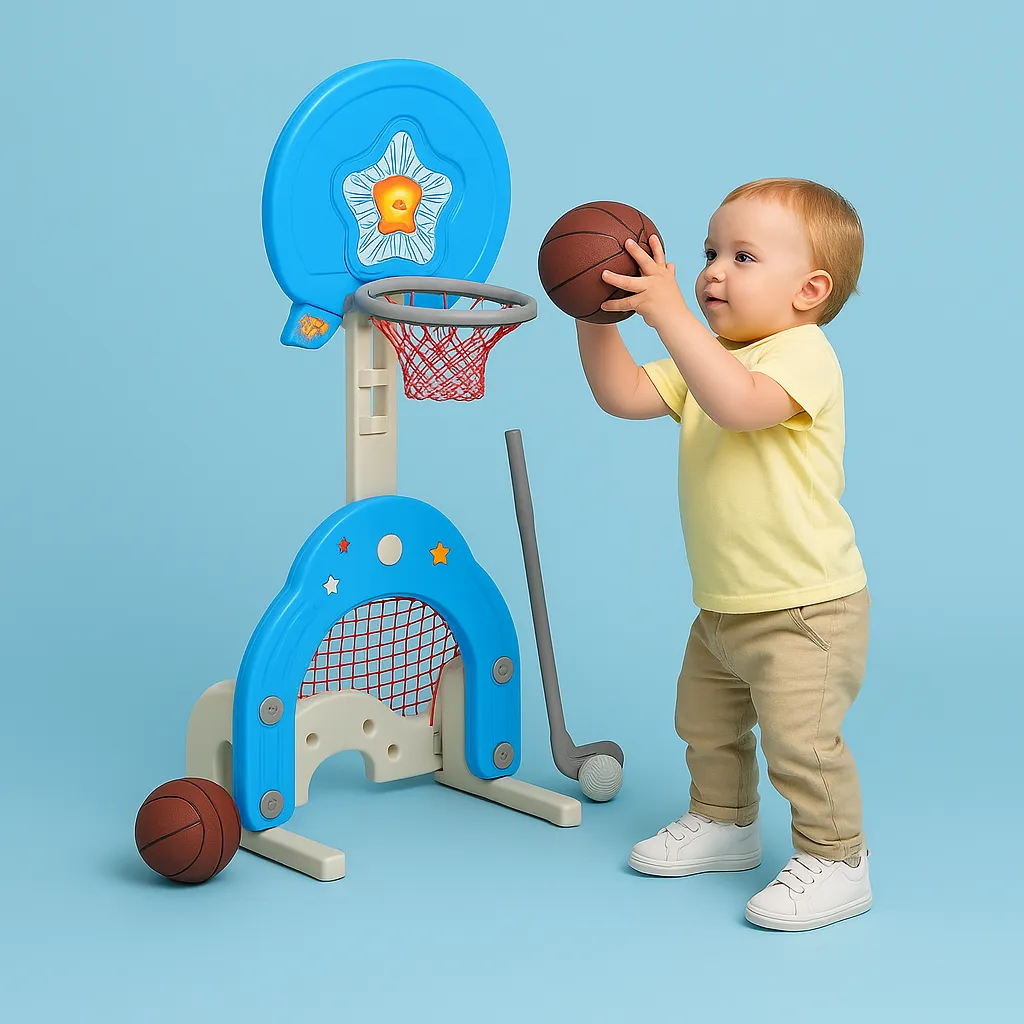

When it comes to purchasing toys for children, safety is a top priority for parents, educators, and caregivers. With increasing awareness about product quality and child well-being, manufacturers today follow strict processes to ensure that toys for kids are safe, durable, and suitable for different age groups. From material selection to design testing, multiple steps are involved in delivering toys that provide fun without compromising safety.
1. Use of Non-Toxic and Child-Safe Materials
One of the first steps manufacturers take is selecting non-toxic, BPA-free, and child-safe materials. Since young children often put toys in their mouths, it is essential that the materials used do not contain harmful chemicals. High-quality plastics, paints, and finishes are carefully chosen to ensure that toys for kids are safe even with prolonged use.
2. Smooth Edges and Safe Design
Design plays a critical role in ensuring safety. Reputed manufacturers focus on creating toys with rounded edges, smooth surfaces, and no sharp points to prevent cuts or injuries. Additionally, small detachable parts are avoided in toys meant for toddlers to reduce choking hazards. Thoughtful design ensures that toys for kids remain safe during both active and rough play.
3. Compliance with Safety Standards
Manufacturers must comply with national and international toy safety standards, such as BIS (Bureau of Indian Standards) in India or other global certifications. These standards regulate factors like material safety, structural integrity, and product durability. Toys that meet these standards undergo rigorous testing, ensuring they are safe for children across different age groups.
4. Strength and Durability Testing
Durability is closely linked to safety. Weak or poorly made toys can break easily, creating sharp edges or loose parts that may harm children. To prevent this, manufacturers conduct impact tests, load-bearing tests, and stress tests. These processes ensure that toys for kids can withstand daily wear and tear, whether used indoors or outdoors.
5. Age-Appropriate Design and Labeling
Not all toys are suitable for every age group. Responsible manufacturers clearly label their products with age recommendations to guide parents in choosing the right toys. For example, toys designed for toddlers focus on simplicity and safety, while those for older children may include more complex features. Proper labeling helps ensure that toys for kids are used appropriately and safely.
6. Safe Paints and Finishes
Paints and coatings used on toys must also meet safety guidelines. Manufacturers use lead-free and non-toxic paints that do not peel easily. This is especially important because chipped paint can pose ingestion risks. Ensuring safe finishes adds an extra layer of protection for children during playtime.
7. Continuous Quality Checks
Safety doesn’t end at production. Reputed brands implement strict quality control measures at every stage—from raw material inspection to final packaging. Regular audits and testing help maintain consistency and ensure that every product meets safety expectations before reaching the market.
8. Focus on Ergonomics and Usability
Modern toys are designed with child ergonomics in mind. This means considering how children hold, use, and interact with toys. Comfortable grips, stable structures, and easy-to-use designs reduce the chances of accidents. Ergonomic design enhances both safety and the overall play experience.
Conclusion
Ensuring the safety of toys for kids is a multi-step process that involves careful planning, high-quality materials, strict testing, and adherence to safety standards. As awareness grows, manufacturers are continuously improving their processes to deliver safer and more reliable products. For parents and educators, choosing toys from trusted brands that prioritize safety is the best way to ensure children enjoy fun, learning, and development in a secure environment.






























Sign in to leave a comment.