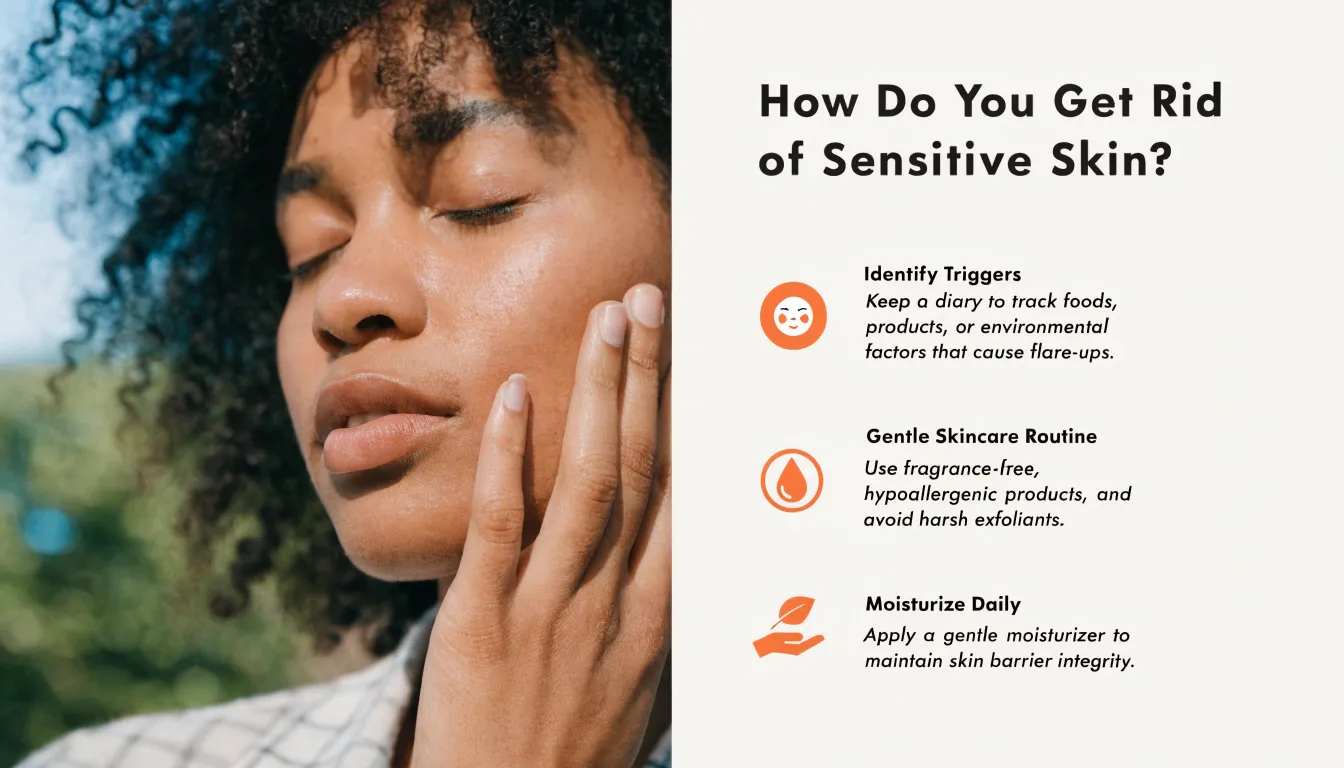

Sensitive skin is a common concern that affects people of all ages. It can cause redness, itching, dryness, burning sensations, and irritation when exposed to certain skincare products, environmental factors, or lifestyle triggers. Many people wonder, "How do you get rid of sensitive skin?" The truth is that sensitive skin cannot always be completely eliminated, especially if it is linked to genetics. However, it can be effectively managed with proper skincare, healthy habits, and avoiding common triggers.
Using gentle products, including a suitable Skin moisturizer for sensitive skin, can help strengthen the skin barrier and reduce discomfort over time.
In this article, we'll explore the causes of sensitive skin, ways to manage it, skincare tips, and lifestyle habits that can help maintain healthier and calmer skin.
What Is Sensitive Skin?
Sensitive skin refers to skin that reacts more easily than normal skin to external or internal factors.
Common symptoms include:
- Redness
- Itching
- Burning
- Dryness
- Tightness
- Stinging sensations
- Skin irritation
Sensitive skin may react to products, weather changes, fragrances, pollution, or even stress.
What Causes Sensitive Skin?
There are many possible causes of sensitive skin.
Weakened Skin Barrier
The skin barrier protects against moisture loss and environmental irritants.
When the barrier becomes damaged:
- Water escapes more easily
- Irritants enter the skin
- Sensitivity increases
Genetics
Some individuals naturally have more reactive skin than others.
Environmental Factors
Common triggers include:
- Pollution
- Extreme temperatures
- Wind
- Sun exposure
Harsh Skincare Products
Products containing:
- Alcohol
- Strong acids
- Artificial fragrances
- Harsh exfoliants
may irritate sensitive skin.
Skin Conditions
Certain conditions may contribute to sensitivity, including:
- Eczema
- Rosacea
- Dermatitis
- Psoriasis
Can Sensitive Skin Be Permanently Removed?
In most cases, sensitive skin cannot be permanently removed.
However, symptoms can often be significantly reduced by:
- Strengthening the skin barrier
- Using appropriate products
- Avoiding triggers
- Following a consistent skincare routine
Many people successfully manage sensitive skin and experience fewer flare-ups over time.
How to Manage Sensitive Skin
1. Use Gentle Cleansers
Choose mild cleansers that do not strip the skin's natural oils.
Look for:
- Fragrance-free formulas
- Sulfate-free cleansers
- Hydrating ingredients
Avoid harsh soaps that leave the skin feeling tight or dry.
2. Moisturize Daily
Moisturizing is one of the most important steps for sensitive skin.
Benefits include:
- Supporting the skin barrier
- Reducing dryness
- Preventing irritation
- Improving comfort
Choose products specifically designed for sensitive skin.
3. Avoid Fragrances
Fragrance is a common trigger for irritation.
Whenever possible, choose:
- Fragrance-free skincare
- Fragrance-free cosmetics
- Gentle personal care products
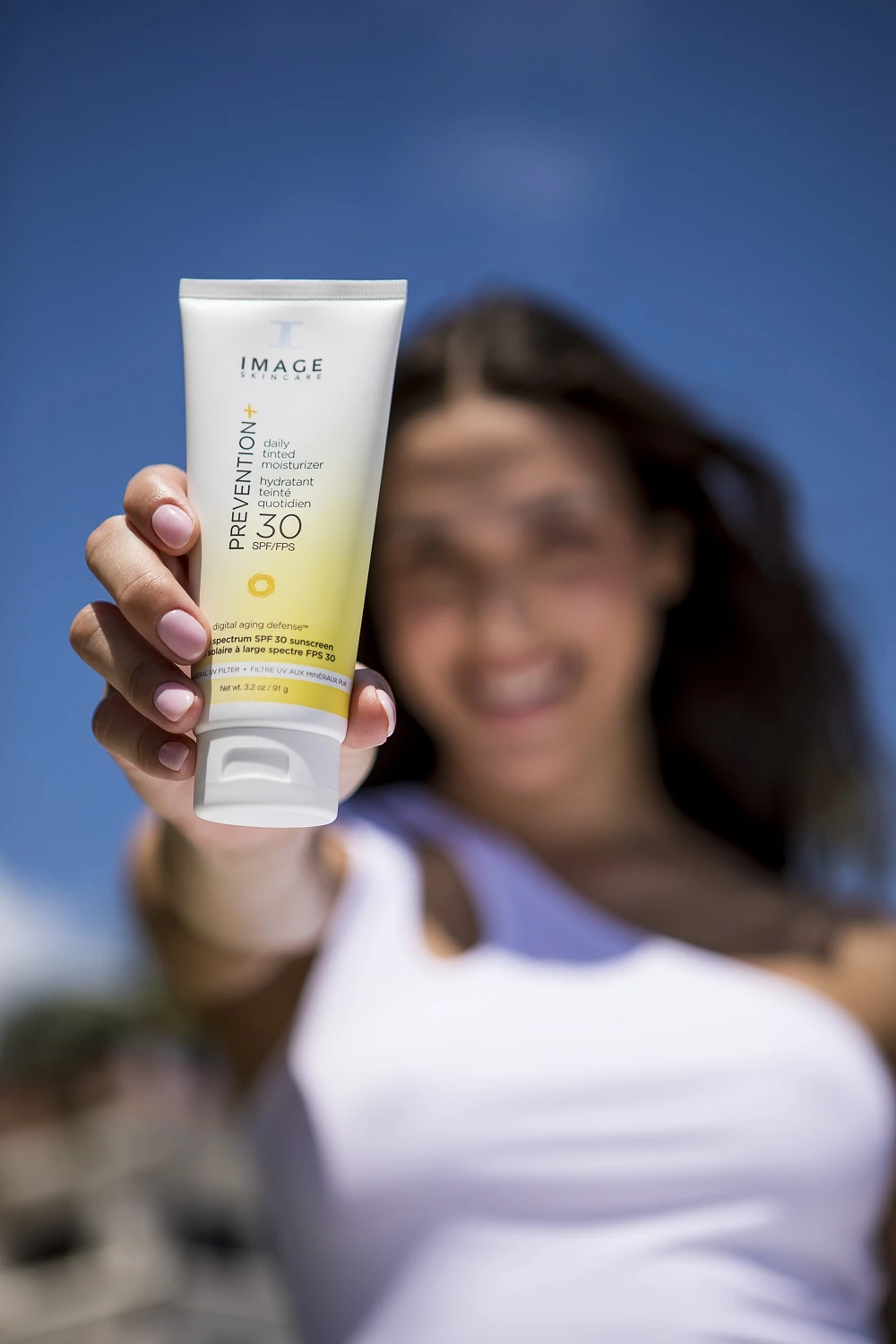
4. Protect Your Skin from the Sun
Sun exposure can worsen redness and irritation.
Use:
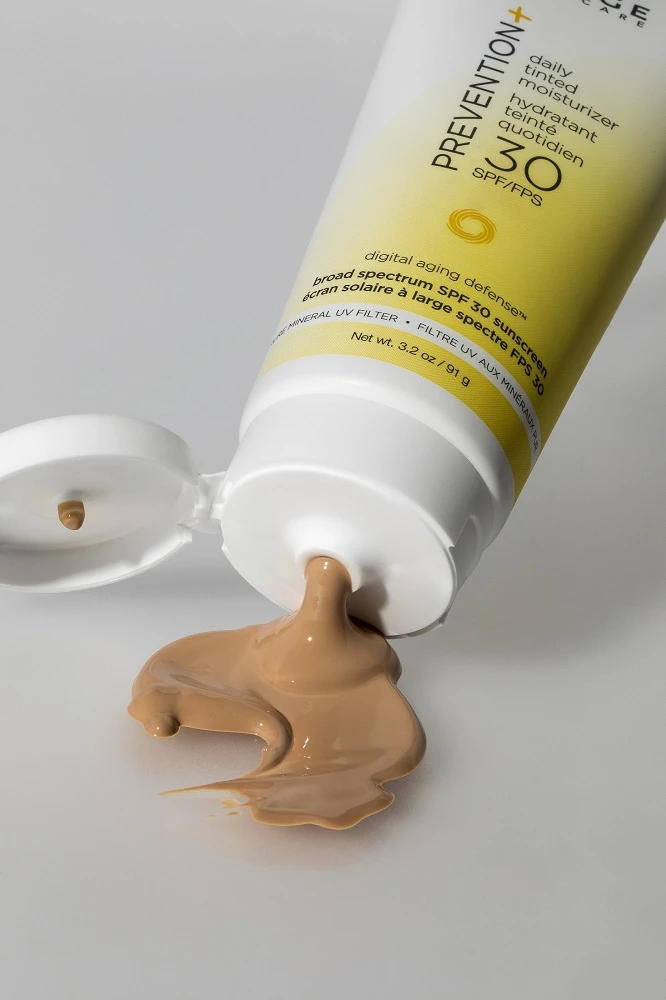
- Broad-spectrum sunscreen
- SPF 30 or higher
- Products suitable for sensitive skin
Protective clothing and hats can also help.
Ingredients That Help Sensitive Skin
Certain skincare ingredients are known for their calming and protective properties.
Ceramides
Benefits:
- Strengthen the skin barrier
- Improve hydration
- Reduce irritation
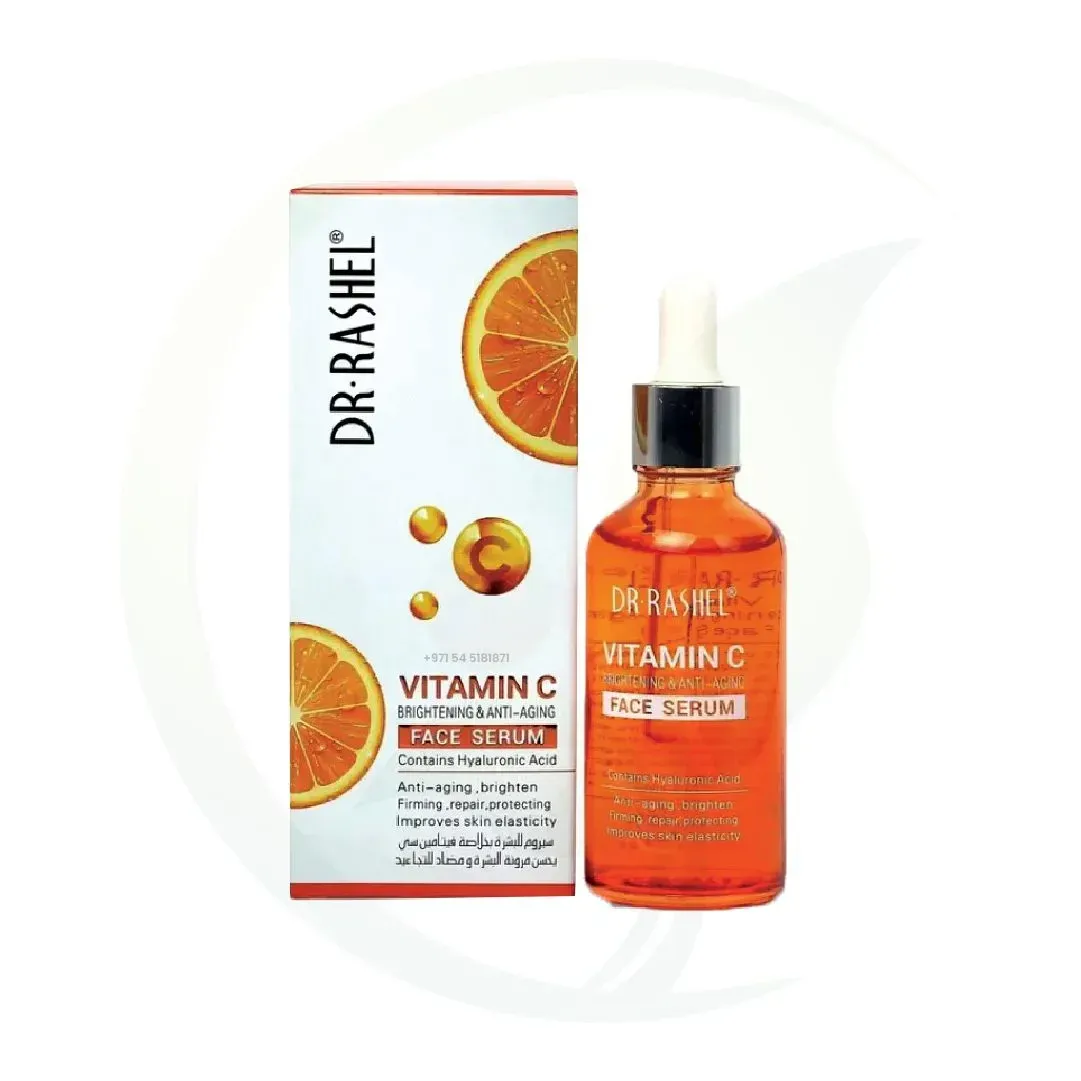
Hyaluronic Acid
Benefits:
- Provides lightweight hydration
- Helps retain moisture
- Supports skin comfort
Aloe Vera
Benefits:
- Soothes redness
- Provides hydration
- Calms irritated skin
Niacinamide
Benefits:
- Strengthens the skin barrier
- Reduces redness
- Improves skin texture
Oat Extract
Benefits:
- Calms inflammation
- Relieves itching
- Supports skin healing
Ingredients to Avoid
People with sensitive skin may benefit from avoiding:
- Strong fragrances
- Excessive alcohol
- Harsh exfoliants
- High concentrations of acids
- Aggressive scrubs
Always read product labels carefully.
Importance of Patch Testing
Before using any new skincare product:
- Apply a small amount to a small area.
- Wait 24–48 hours.
- Observe for irritation.
Patch testing helps identify potential reactions before applying products to the entire face.
Daily Skin Care Routine for Sensitive Skin
Morning Routine
- Gentle cleanser
- Moisturizer
- Sunscreen
Evening Routine
- Gentle cleanser
- Moisturizer
- Optional treatment products approved for sensitive skin
Keeping the routine simple often produces the best results.
Lifestyle Habits That Help Sensitive Skin
Stay Hydrated
Proper hydration supports healthy skin function.
Drink adequate water throughout the day.
Get Enough Sleep
Sleep helps the skin repair itself and maintain a healthy barrier.
Aim for:
- 7–9 hours of sleep
- Consistent sleep schedules
Manage Stress
Stress can trigger skin sensitivity and flare-ups.
Helpful strategies include:
- Meditation
- Yoga
- Walking
- Deep breathing exercises
Eat a Balanced Diet
A nutritious diet supports overall skin health.
Include:
- Fruits
- Vegetables
- Healthy fats
- Whole grains
Common Mistakes People Make
Over-Exfoliating
Too much exfoliation can damage the skin barrier and increase sensitivity.
Trying Too Many Products
Introducing multiple products at once may overwhelm sensitive skin.
Skipping Moisturizer
Hydration is essential for maintaining a strong skin barrier.
Using Hot Water
Hot water can strip natural oils and worsen irritation.
Use lukewarm water instead.
Natural Remedies for Sensitive Skin
Some natural ingredients may help soothe the skin.
Aloe Vera Gel
Provides hydration and calming effects.
Oatmeal
Can help relieve itching and irritation.
Cucumber
Offers cooling and refreshing benefits.
Honey
Contains moisturizing properties and may support skin comfort.
Always patch test natural remedies before use.
When to See a Dermatologist
Professional advice may be needed if you experience:
- Persistent redness
- Severe itching
- Painful irritation
- Frequent flare-ups
- Suspected skin conditions
A dermatologist can identify underlying causes and recommend appropriate treatment.
Long-Term Management of Sensitive Skin
Managing sensitive skin requires consistency.
Focus on:
- Gentle skincare
- Sun protection
- Hydration
- Trigger avoidance
- Healthy lifestyle habits
Over time, these practices can significantly reduce discomfort and improve overall skin health.
Final Thoughts
While sensitive skin cannot always be completely eliminated, it can be effectively managed through proper care and healthy habits. Strengthening the skin barrier, choosing gentle skincare products, moisturizing regularly, and avoiding common irritants can help reduce redness, dryness, and irritation.
The key is consistency. A simple, gentle skincare routine often delivers better results than using numerous products. With patience and the right approach, people with sensitive skin can maintain a healthy, comfortable, and balanced complexion.
FAQs:
1. Can sensitive skin be cured permanently?
Sensitive skin cannot always be permanently cured, but it can often be effectively managed and improved.
2. What is the best moisturizer for sensitive skin?
A fragrance-free moisturizer containing ceramides, hyaluronic acid, or soothing ingredients is often recommended.
3. Why does my skin become sensitive suddenly?
Changes in products, weather, stress, allergies, or skin barrier damage may increase sensitivity.
4. Can sensitive skin use exfoliants?
Yes, but gentle exfoliants should be used sparingly and according to skin tolerance.
5. Is sunscreen important for sensitive skin?
Yes. Sunscreen helps protect the skin from UV damage and may reduce irritation caused by sun exposure.
6. Can diet affect sensitive skin?
A healthy diet supports overall skin health and may help reduce inflammation.
7. When should I consult a dermatologist?
You should seek professional advice if symptoms are severe, persistent, painful, or affecting your quality of life.



















Sign in to leave a comment.