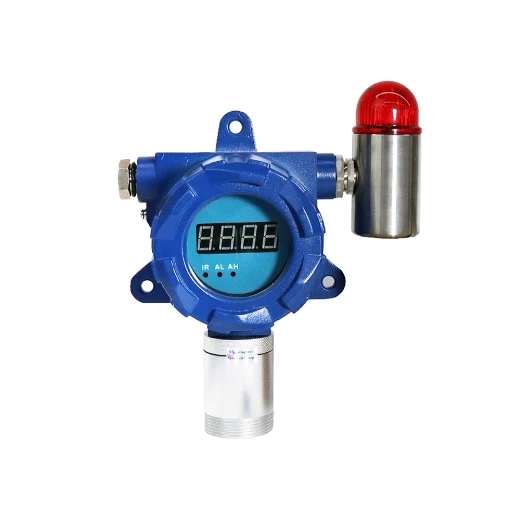
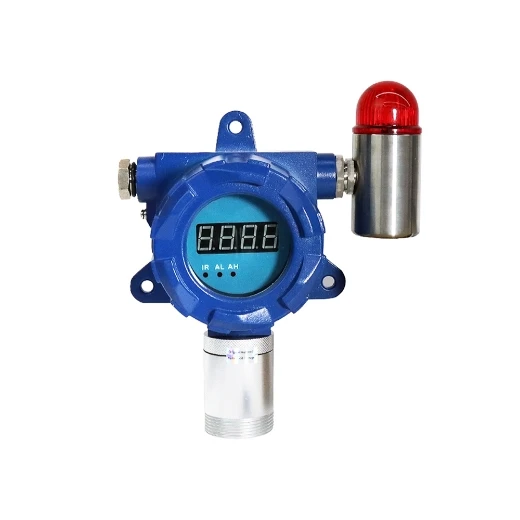
You’ve probably seen those little yellow devices clipped to the collars of oil rig workers or wastewater crews. That’s an H2S monitor — and yes, they matter. But what exactly is an H2S monitor? And when should you be thinking about something more permanent, like a fixed H2S detector?
Let’s start with the basics. An H2S monitor detects hydrogen sulfide gas in the air — a gas that’s not only toxic but also flammable and, unfortunately, hard to detect by smell alone. It’s colorless, can knock out your sense of smell at high concentrations, and exposure can be fatal in minutes. So yeah, you want a reliable way to know it’s there.
Now, how do you use an H2S monitor? For portable models, it’s all about wearing it in the breathing zone — ideally on the collar, close to your face. That way, it’s measuring what you’re actually breathing. For fixed H2S detectors, like the ones at GasDog, things are a little different. These are installed in high-risk areas, like confined spaces, drilling platforms, or near pipelines where gas leaks are more likely. They’re wired into safety systems and provide 24/7 monitoring — which means less guessing and more control.
People often ask, where should H2S monitors be worn or placed? If it’s a portable one, wear it up high — H2S is heavier than air and tends to sink, but your exposure risk is at face level. Fixed detectors, on the other hand, are usually mounted lower to the ground or wherever gas is most likely to accumulate based on ventilation and layout. It depends on the space.
And then there’s bump testing. You’ve probably heard the term — but how do you bump test an H2S monitor? It’s simple: you expose the sensor to a small, known amount of H2S gas and make sure the alarm goes off. It’s a functional test, not a calibration. For fixed monitors, this should be part of your routine site maintenance — just like checking fire alarms or emergency lighting.
Now, cost — a big one. How much are H2S monitors? Portable ones range from $200 to $600 depending on the brand and features. Fixed H2S gas detectors, like this one, typically cost a bit more, especially if you're integrating it into an alarm or SCADA system. But when the risk is life-threatening, the cost of not having one can be far higher.
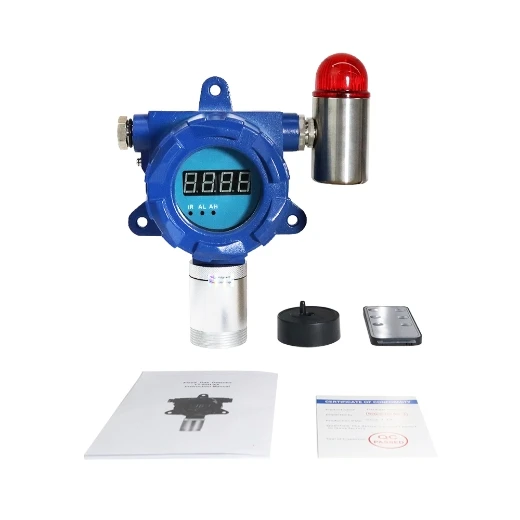
So do you need a fixed H2S monitor? If you’re managing a site where hydrogen sulfide might be present — and especially if it's a space people enter regularly — the answer is yes. The model from GasDog offers continuous monitoring, a robust sensor, real-time alerts, and installation support. It's not just a box on the wall — it’s a serious safety upgrade.

























Sign in to leave a comment.