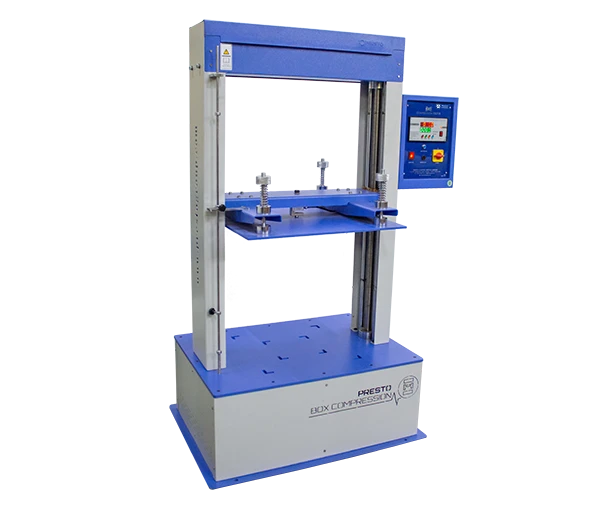

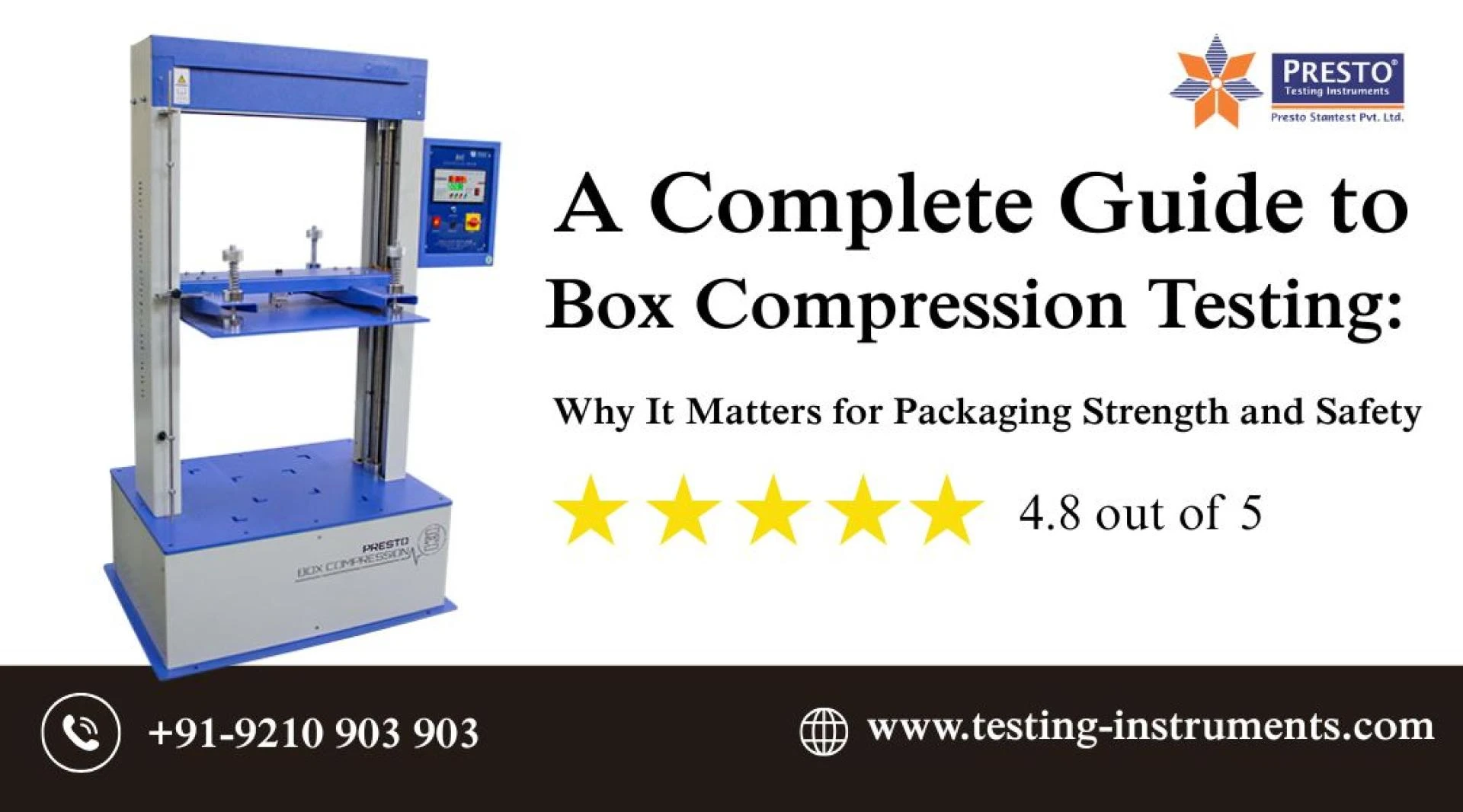
The packaging of products is a crucial factor in ensuring their safety and integrity during shipping and handling. Boxes, cartons, and other packaging materials need to withstand various forces and conditions, including weight, pressure, and environmental factors. A Box Compression Tester (BCT) plays a vital role in ensuring that packaging can endure these conditions without failure. This article explores how a Box Compression Tester ensures safe shipping and handling, the testing process, and the benefits it offers to manufacturers, retailers, and consumers alike.
Understanding Box Compression Testing
A Box Compression Tester is a device used to measure the strength and durability of boxes and other packaging materials under compressive forces. During testing, a sample box is subjected to a controlled load that simulates the pressure it would experience during storage, stacking, and transportation. The tester determines the point at which the box deforms, collapses, or loses its structural integrity, providing valuable insights into the box’s ability to protect its contents.
The compression strength of a box is a critical property because it ensures that the packaging can withstand the weight of stacked boxes or external pressure encountered during shipping. Manufacturers rely on BCTs to simulate these real-world conditions to identify potential weaknesses in packaging and improve their designs for better protection.
The Role of Box Compression Testing in Shipping and Handling
Shipping and handling involve numerous risks that can lead to product damage, such as rough handling, stacking, and exposure to different environmental conditions. A Box Compression Tester helps ensure packaging can handle these stresses without breaking down. Here’s how it plays a crucial role in ensuring safe shipping and handling:
1. Simulating Real-World Conditions
During the transportation process, packages are exposed to various compressive forces, such as weight from other packages stacked on top, mechanical impacts, and pressure during transit. These conditions can cause boxes to lose their shape, leading to the rupture of the packaging or even damage to the contents inside.
Box Compression Testers simulate these real-world conditions by subjecting the box to a controlled and uniform pressure. The tester compresses the box to the point of failure, providing manufacturers with critical data about the box’s strength and the performance of its material under stress. The testing ensures that the packaging can hold up against the forces it would face in transit, reducing the risk of damage during shipping.
2. Ensuring Proper Load Distribution
During the shipping process, boxes are often stacked on top of each other. The weight from the boxes above can exert significant pressure on the boxes at the bottom of the stack, leading to deformation, rupture, or crushing. Box Compression Testing helps assess how well a box can distribute this load without collapsing. By testing for compressive strength, manufacturers can design boxes with better structural integrity, preventing damage to both the packaging and the products inside.
3. Identifying Weaknesses in Packaging Design
A Box Compression Tester helps identify weaknesses in packaging design that may compromise the safety of the contents during shipping. For example, the test can highlight issues such as poor glue adhesion, inadequate box flaps, or insufficient material thickness. With this data, manufacturers can modify their designs to address these weaknesses before the packaging hits the production line, ensuring stronger and more reliable boxes for shipping.
4. Evaluating Material Performance
Different materials, such as corrugated cardboard, fiberboard, and plastic, are commonly used for boxes. Each material has its own compressive strength and load-bearing capacity. Box Compression Testing evaluates how well different materials perform under pressure, helping manufacturers select the most suitable material for their specific packaging needs. The test ensures that the material used for packaging can withstand the stresses of shipping and handling, providing optimal protection for the products inside.
Benefits of Using a Box Compression Tester
The use of a Box Compression Tester offers several advantages for companies involved in packaging, manufacturing, and distribution:
1. Prevention of Product Damage
By testing the packaging before it is used in production or shipped to customers, a Box Compression Tester helps prevent the risk of product damage. Properly tested boxes can handle the forces encountered during transportation, keeping products safe from impacts, crushing, or exposure to harsh conditions. This protection is particularly important for fragile or sensitive items, such as electronics, pharmaceuticals, and food products.
2. Cost Efficiency
Investing in a Box Compression Tester manufacturers save money in the long run. By identifying weak packaging designs early in the process, companies can reduce the need for costly product returns, damage claims, and additional packaging materials. Stronger boxes that perform well under compression tests also reduce the likelihood of damaged goods during transit, minimizing losses and improving the efficiency of the supply chain.
3. Improved Customer Satisfaction
Shipping products in secure, well-protected packaging increases customer satisfaction. Consumers are more likely to trust a brand that delivers products in pristine condition, leading to higher customer retention and brand loyalty. A Box Compression Tester helps ensure that packages remain intact and protect the products, improving the overall customer experience.
4. Compliance with Industry Standards
Many industries have specific regulations and standards for packaging materials to ensure product safety during shipping. A Box Compression Tester ensures compliance with these standards, such as ASTM or ISO specifications, by providing objective, measurable data about packaging strength. This data is essential for meeting industry requirements and passing quality audits.
Conclusion
A Box Compression Tester-NXT generation model is a vital tool for ensuring safe shipping and handling by providing valuable insights into the strength and durability of packaging materials. By simulating real-world conditions, evaluating load distribution, and identifying weaknesses in packaging design, BCTs help manufacturers create packaging that can withstand the rigors of shipping and handling. This results in reduced product damage, cost savings, and improved customer satisfaction. Ultimately, Box Compression Testing is an essential part of the packaging process that guarantees the protection of both products and consumers.
Email :- [email protected]
Call Now: +919210903903



























Sign in to leave a comment.