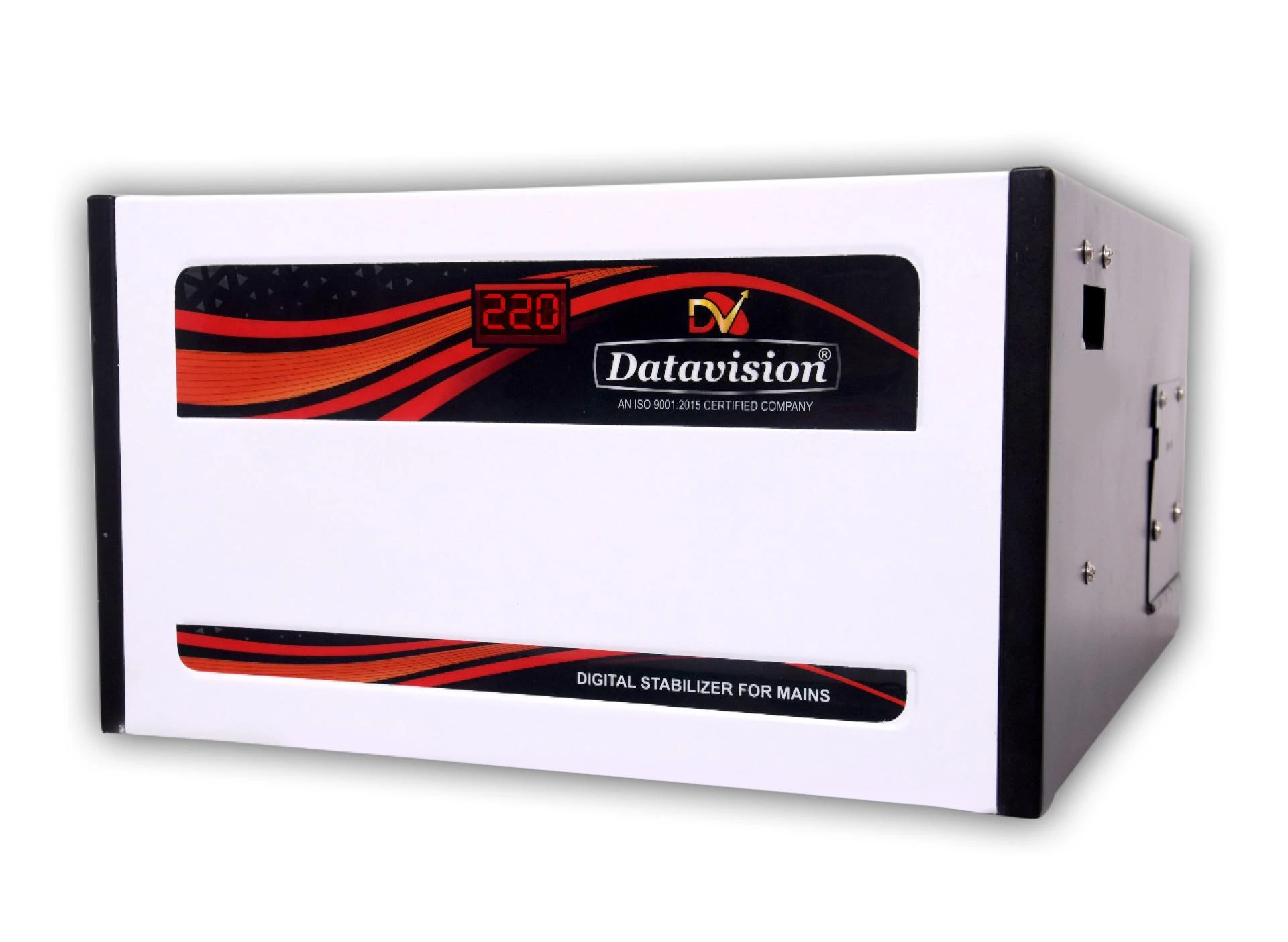

A mainline stabilizer is a vital component that prevents sudden voltage increases (spikes) or decreases (dips) from damaging electrical appliances and systems. In many areas, power supply can be interrupted or greatly impacted due to grid instability, an overloaded electrical load, or stormy weather. The mainline stabilizer works at the point of entry for primary incoming electrical power to ensure that every connected electrical device receives a safe, stable supply of electricity.
The primary role of a mainline stabilizer is to continuously monitor the power that's being supplied to it from the electrical supply. When a spike (increase in power) or a dip (decrease in power) is detected by the Mainline Stabilizer, it will automatically adjust the output voltage (voltage that comes out of the stabilizer) to ensure that all of the connected electrical devices receive a consistent supply of electricity. This process happens within seconds and will protect electrical appliances by eliminating any harmful fluctuations in power supply.
The main benefit of installing a mainline stabilizer is that it can protect multiple devices at the same time. In contrast to individual stabilizers which only improve the power supply for one electrical device, the mainline stabilizer improves the power supply for all of the electrical devices in a residence, business, or commercial facility, thereby protecting the entire electrical system, including any sensitive equipment connected to it (e.g., air conditioning, refrigerators, televisions, computers and other electronic equipment).


















Sign in to leave a comment.