Not all water damage is the same, and exposure to contaminated water from sources like sewer backups or river flooding can pose serious health risks. To handle these situations safely, professional mitigation companies follow strict industry protocols for safety, containment, and disposal established by organizations like the IICRC. Their process involves wearing Personal Protective Equipment (PPE), containing the affected area to prevent cross-contamination, extracting hazardous water, and properly disposing of saturated materials according to local Willsonville and Oregon state regulations. This article breaks down the exact procedures a qualified team uses to manage these hazardous situations and protect both technicians and building occupants.
Understanding Water Contamination Levels
The first step in any water mitigation project is to identify the type of water involved. The industry classifies water into three categories, and the approach to cleanup changes dramatically with each level.
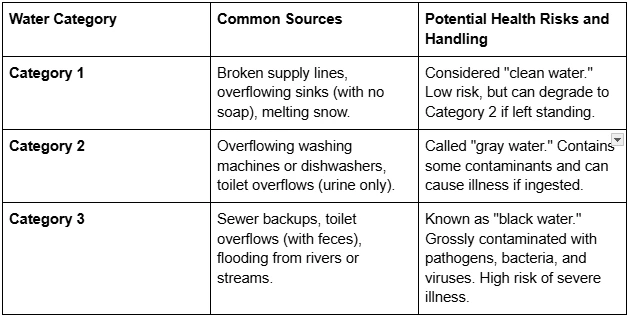
In the temperate climate of Willsonville, any standing water can quickly become more hazardous. Bacteria and mold can multiply rapidly, causing Category 1 or 2 water to degrade to Category 3 in as little as 48 hours. This is why a rapid and professional response is so important.
The Safety-First Approach: Protocol and Equipment
Handling contaminated water is not a DIY job. Professionals rely on specific equipment and procedures to keep everyone safe.
Personal Protective Equipment (PPE)
Technicians entering an area with Category 3 water must wear full PPE to prevent contact with their skin, eyes, or respiratory system. This typically includes:
- Full-face respirators with appropriate cartridges to filter out airborne pathogens.
- Waterproof, disposable coveralls to keep contaminated water off their clothing and skin.
- Heavy-duty rubber gloves and waterproof steel-toed boots.
This gear creates a complete barrier between the technician and the hazardous environment.
Site Containment and Air Filtration
Contaminants can easily become airborne, spreading from the affected area to the rest of the property. To prevent this, mitigation teams establish a containment zone. They use heavy plastic sheeting to seal off doorways and vents. Then, they set up negative air machines, or air scrubbers, equipped with HEPA filters. These machines pull air from the contaminated space, filter it, and exhaust the clean air outside, creating negative pressure that stops airborne particles from escaping the work area. A simple way to confirm this negative pressure is working is to check if the plastic sheeting on a doorway bows inward, which shows that air is flowing into the contained area, not out of it.
The Mitigation Process for Contaminated Water
Once the site is secured, the physical removal and cleaning process begins.
Water Extraction and Removal
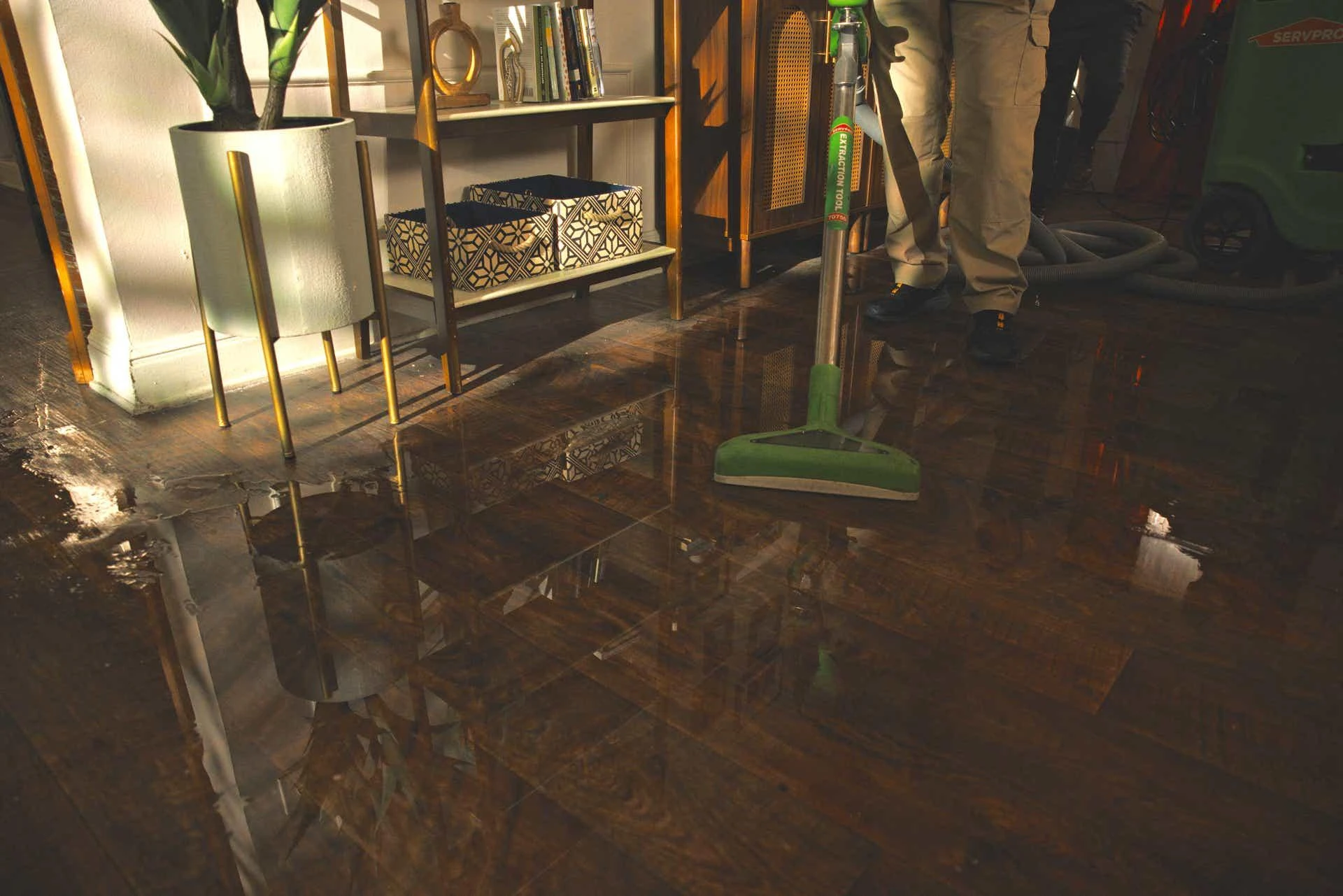
Professionals use powerful, truck-mounted extraction units or submersible pumps to remove standing water quickly. This contaminated water cannot simply be pumped into a storm drain in Willsonville, as that could pollute local waterways like the Willamette River. It must be disposed of as hazardous waste at a designated sanitary sewer access point, following all local municipal codes.
Removal of Contaminated Materials
The rule for Category 3 water is simple: if it’s porous, it must be removed. Materials like carpet, carpet padding, drywall, and act like sponges, trapping contaminants deep within their fibers where they cannot be reliably cleaned. These items are carefully cut out, double-bagged in thick plastic, and disposed of as contaminated debris. Non-porous materials like solid wood, concrete, or metal can often be cleaned and salvaged.
Cleaning, Disinfection, and Structural Drying
After all affected materials are removed, the remaining structure needs to be thoroughly cleaned and disinfected. Crews use pressure washers and specialized cleaning agents to remove all filth and residue from surfaces like wood studs and concrete subfloors. Following the cleaning, they apply an EPA-registered, hospital-grade disinfectant to kill any remaining bacteria or viruses.
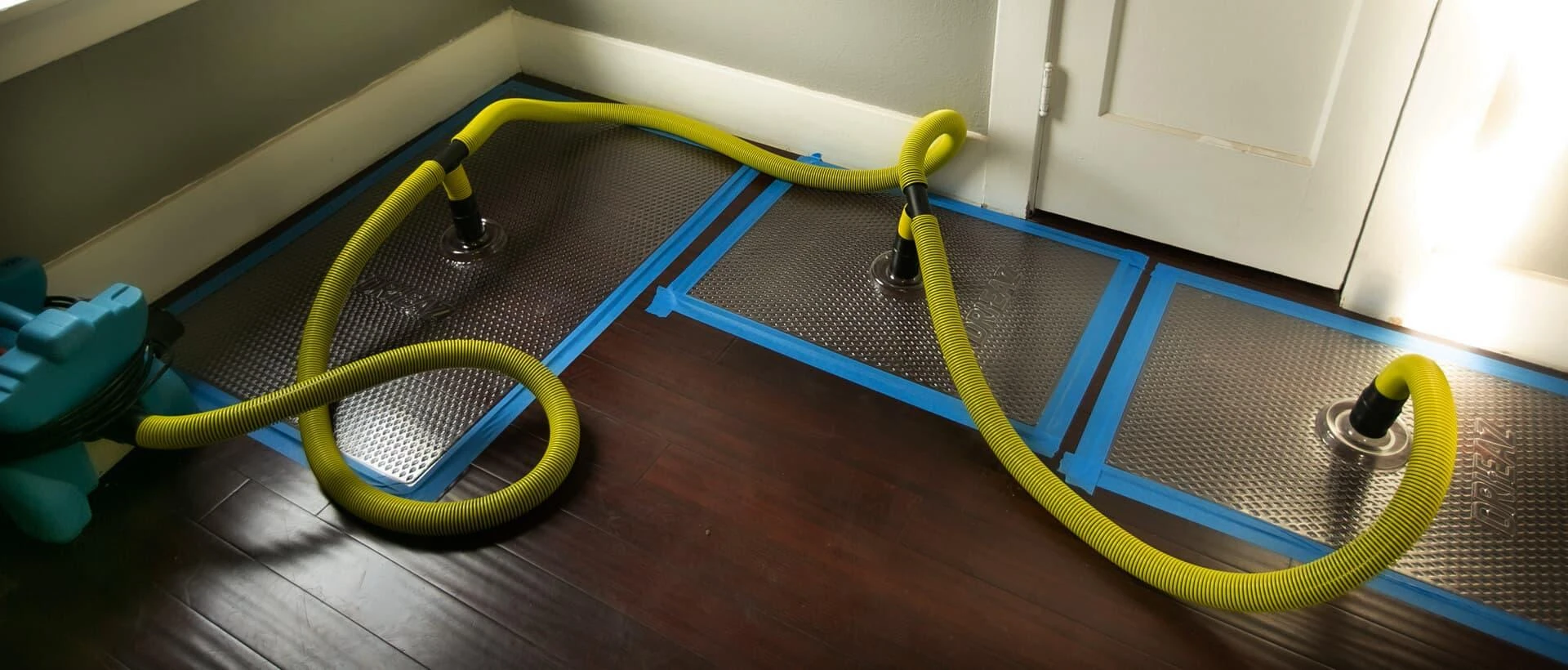
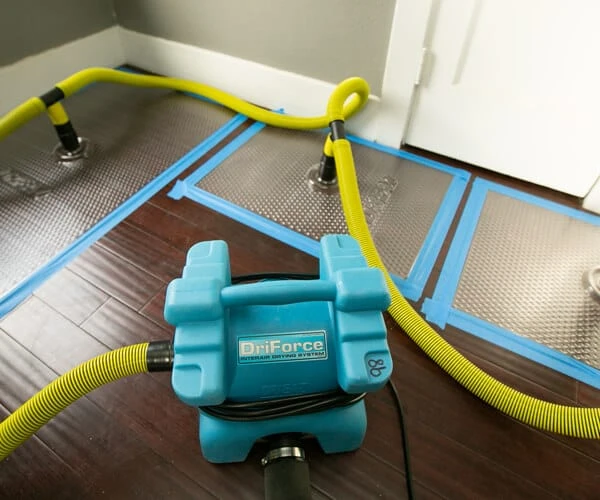
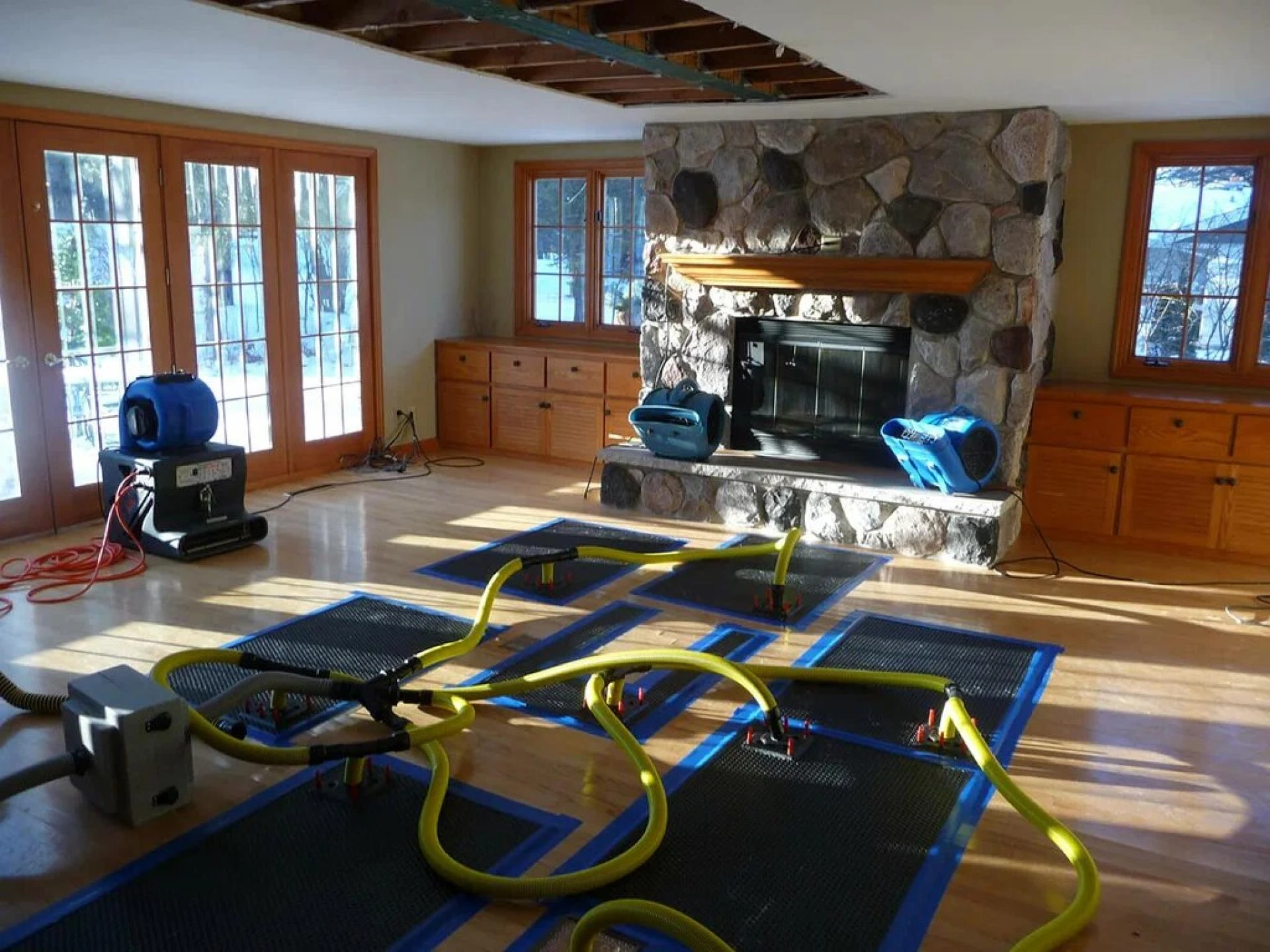
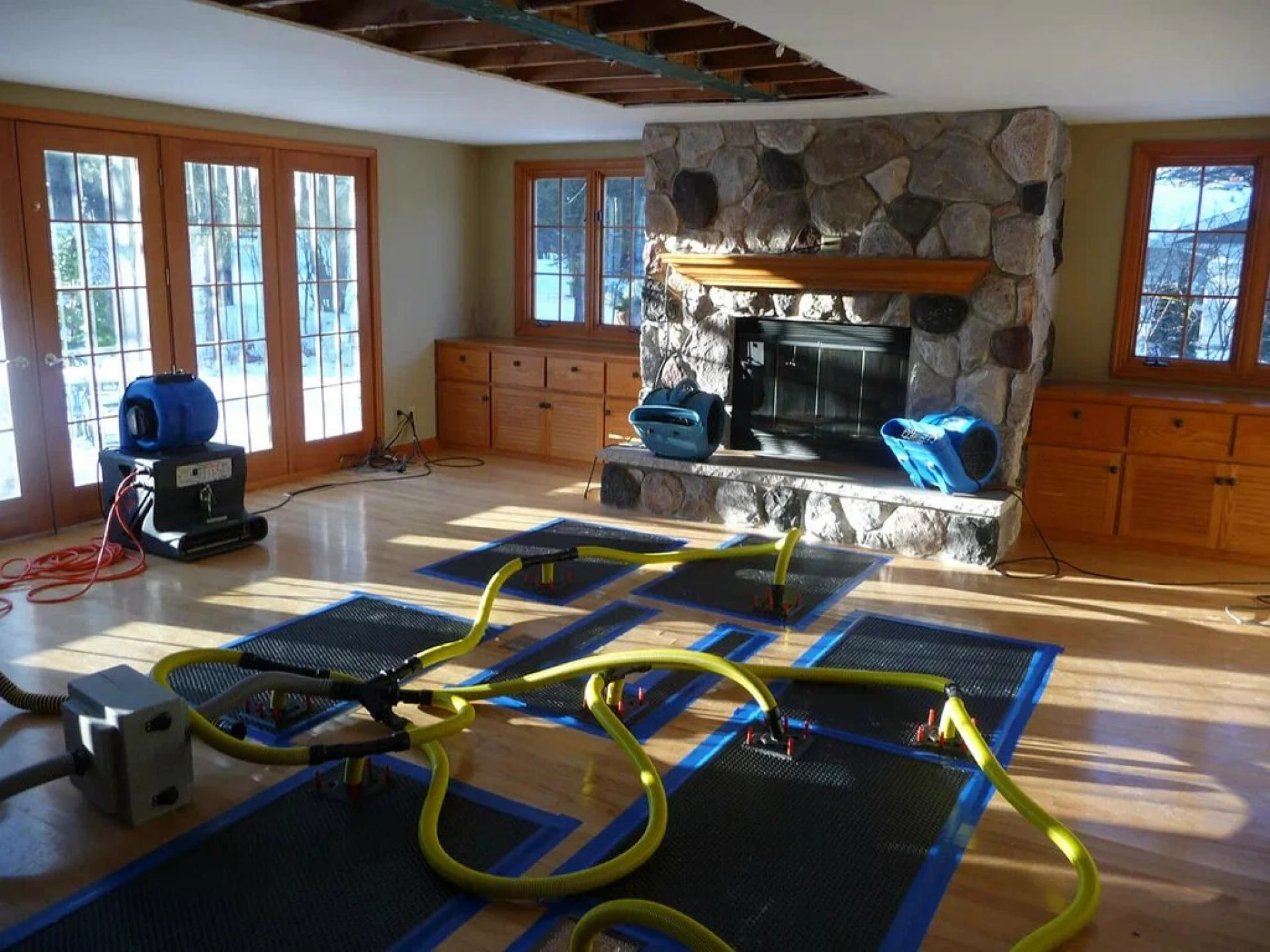
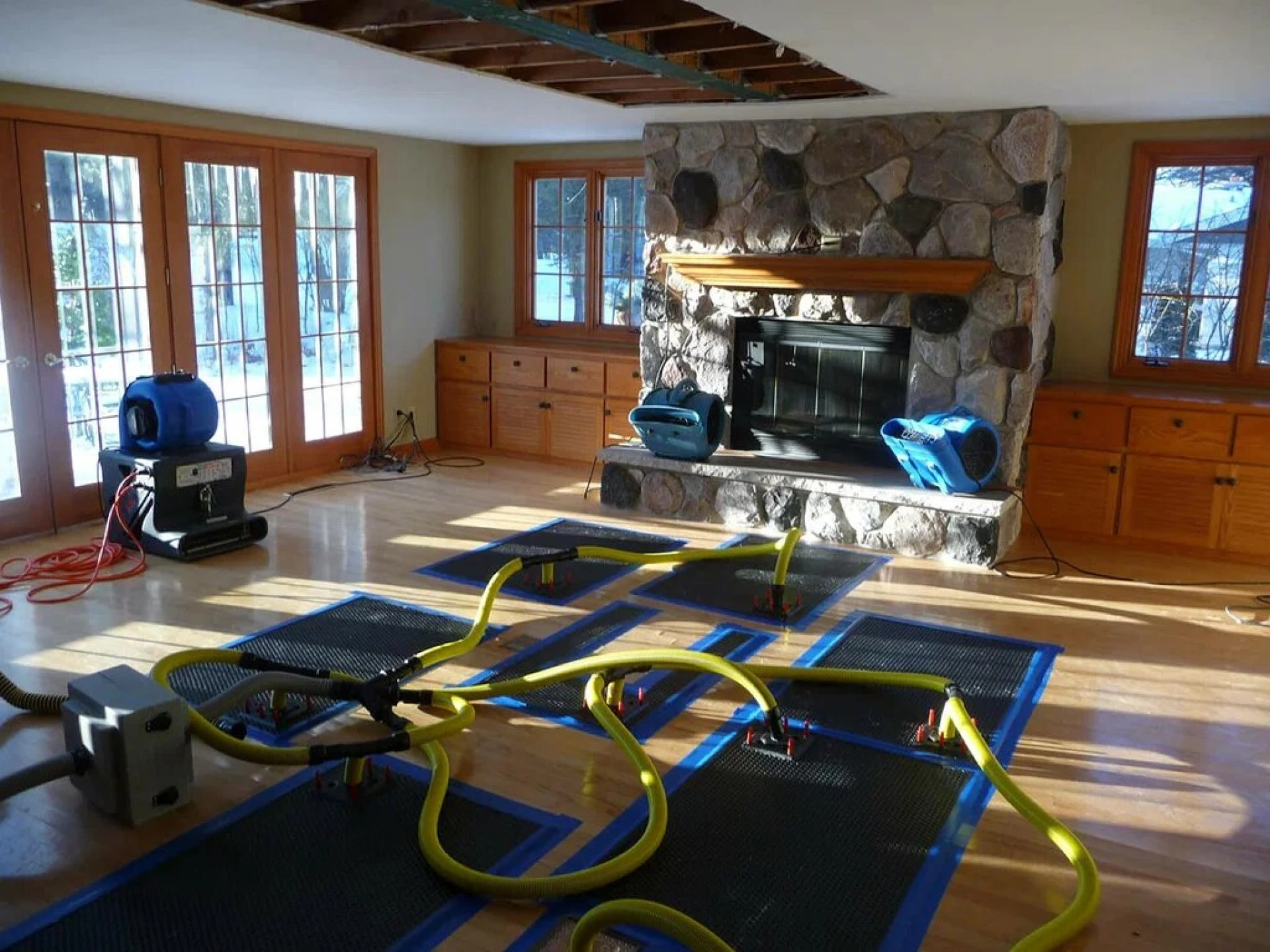
Only after the structure is proven clean can the drying process begin. Teams set up high-velocity air movers and commercial dehumidifiers to remove the remaining moisture from the building materials. This step is essential to prevent the growth of mold, which is a common secondary problem after a water damage event.
Things to Consider Before a Mitigation Project
Understanding the technical side of the cleanup is important, but homeowners also need to make informed decisions when hiring a team for the job.
Verify Technician Certifications
Ask if the company’s technicians are IICRC-certified. Look for certifications like Water Damage Restoration Technician (WRT) and, more specifically, Applied Microbial Remediation Technician (AMRT), as this indicates specialized training in handling hazardous contaminants like sewage and mold.
Understand the Scope of Removal
Be prepared for the reality that many of your building materials and personal belongings may not be salvageable. A professional company will be upfront about what needs to be removed and will clearly explain why it cannot be safely cleaned.
Inquire About Disposal Methods
A responsible company will have a clear plan for disposing of contaminated water and materials that complies with all local and state regulations. Don't hesitate to ask how they intend to handle the waste.
- Bonus Tip: For any work involving sewage, it's a good practice to have post-remediation verification testing done by an independent third party. This can provide peace of mind that the area has been returned to a safe condition.
Common Questions About Contaminated Water Cleanup
What makes water "contaminated"?
Water is considered contaminated if it contains harmful agents like bacteria, viruses, parasites, chemicals, or fungi. This contamination typically comes from sources like sewage, ground flooding, or from clean water that has been sitting for too long, allowing microorganisms to grow.
Can I clean up a small sewage backup myself?
It is strongly discouraged. Even a small amount of sewage (Category 3 water) contains dangerous pathogens. Without proper PPE and cleaning protocols, you risk exposing yourself and your family to serious illnesses.
How do I know if the water in my home is contaminated?
The source is the biggest clue. If water comes from a sewer line, a toilet with feces, or from outside flooding, you must assume it is Category 3 water. If you are unsure, it's always safest to treat it as contaminated and call a professional.
Does contaminated water always have a bad smell?
Not always. While sewage has a distinct and foul odor, other types of gray water (Category 2) may have only a mild musty smell or no smell at all, yet still contain harmful bacteria. Don't rely on smell alone to judge the safety of the water.
What happens to the items that are removed from my home?
All contaminated porous materials are considered hazardous waste. They are carefully sealed in bags and transported to a landfill or disposal facility that is licensed to accept such materials.
Getting Professional Help for Water Damage
Handling contaminated water is a serious task that requires specific training, equipment, and adherence to safety regulations to protect both people and the environment. Attempting to manage it without the right knowledge can lead to health problems and incomplete cleanup, causing long-term issues for your property.
For residents in Willsonville and the surrounding areas facing a water damage situation, it is best to contact a certified and experienced company. The trained professionals at Prestige NW Restoration are equipped to handle all categories of water damage safely and effectively. For an assessment or to discuss a cleanup, their team can be reached at (360) 334-3624 or by email at [email protected].
Reviewer: Matthew Moore brings over 15 years of experience in residential renovation marketing. The review provided helped shape this content to better connect with homeowners seeking reliable, high-quality restoration and home improvement services.






















Sign in to leave a comment.