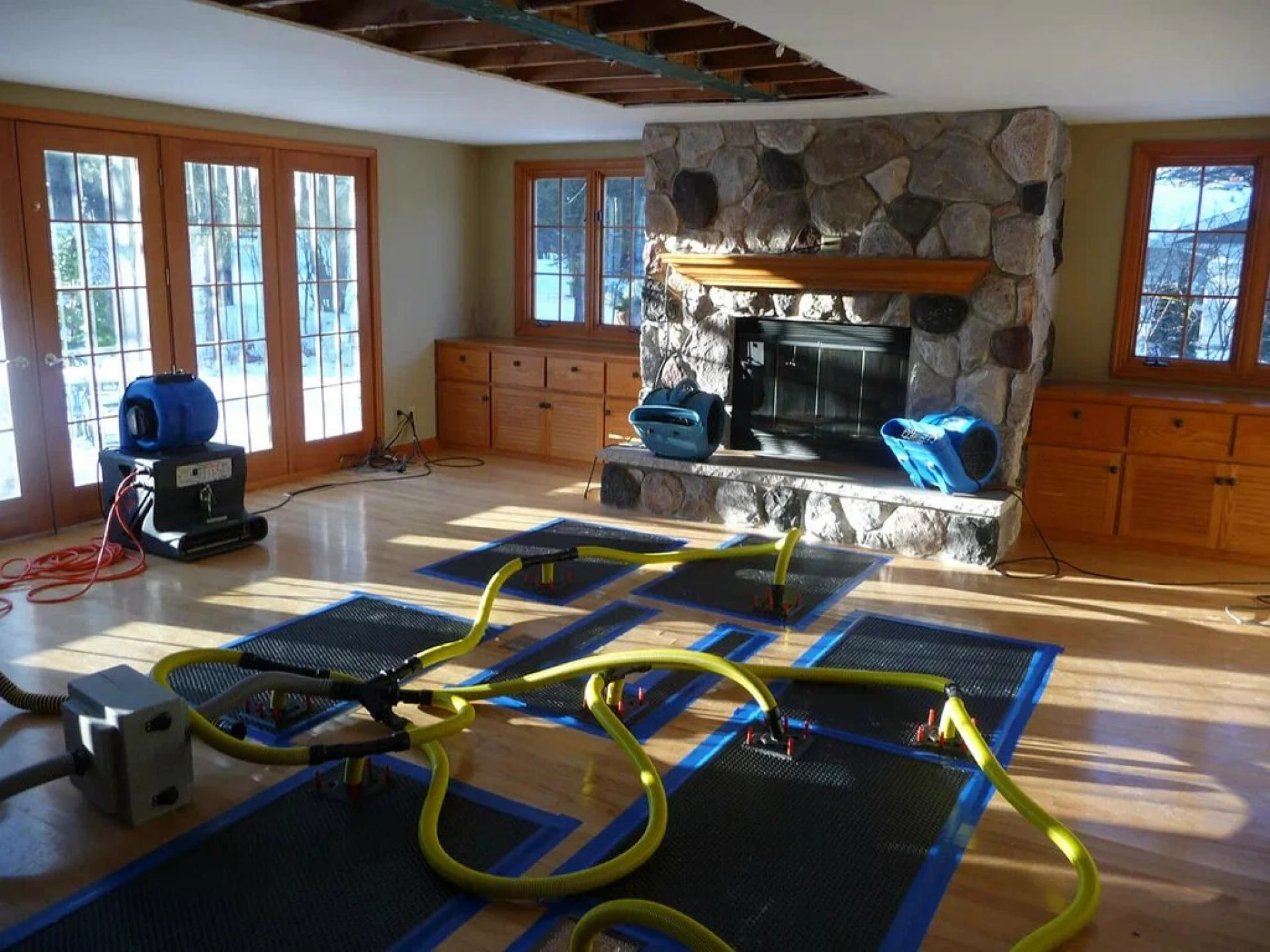
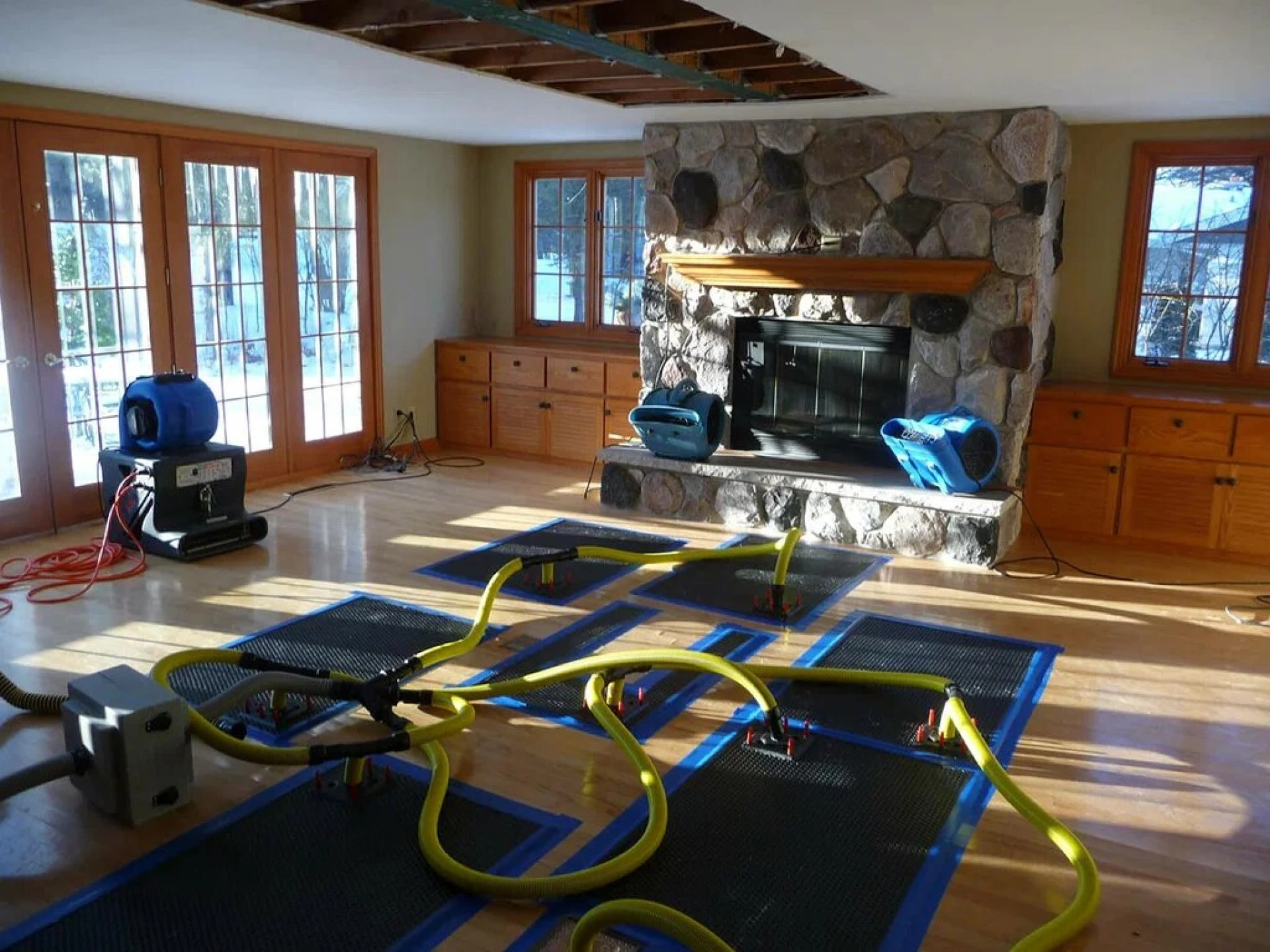
You can tell if a professional water mitigation service has been completed successfully through a combination of professional documentation, physical verification, and the absence of any lingering issues. The most reliable indicator is a detailed report from the restoration company showing that all affected materials have returned to their pre-loss moisture levels, verified using calibrated moisture meters. On a physical level, there should be no visible water, no damp surfaces, and absolutely no musty or moldy odors, ensuring the area is scientifically proven to be dry.
After the stress of a water damage event, getting this confirmation is essential for peace of mind. To help homeowners verify the work, this guide explains the key signs and methods that define a truly successful water mitigation project.
Proof in the Data: Verifying Dryness with Documentation
The foundation of a professionally completed project is the documentation. A reputable restoration company will have taken daily readings throughout the drying process, and they should be able to provide you with a final report or "drying log." This is your proof that the job was done scientifically.
This documentation should show:
- A Dry Standard: At the beginning of the project, the technicians should have taken a moisture reading from an unaffected, dry part of your home. This reading establishes the "dry standard," or the target moisture content for the affected materials.
- Daily Moisture Readings: The log should detail the daily moisture meter readings of the affected materials (e.g., wood studs, subflooring, concrete).
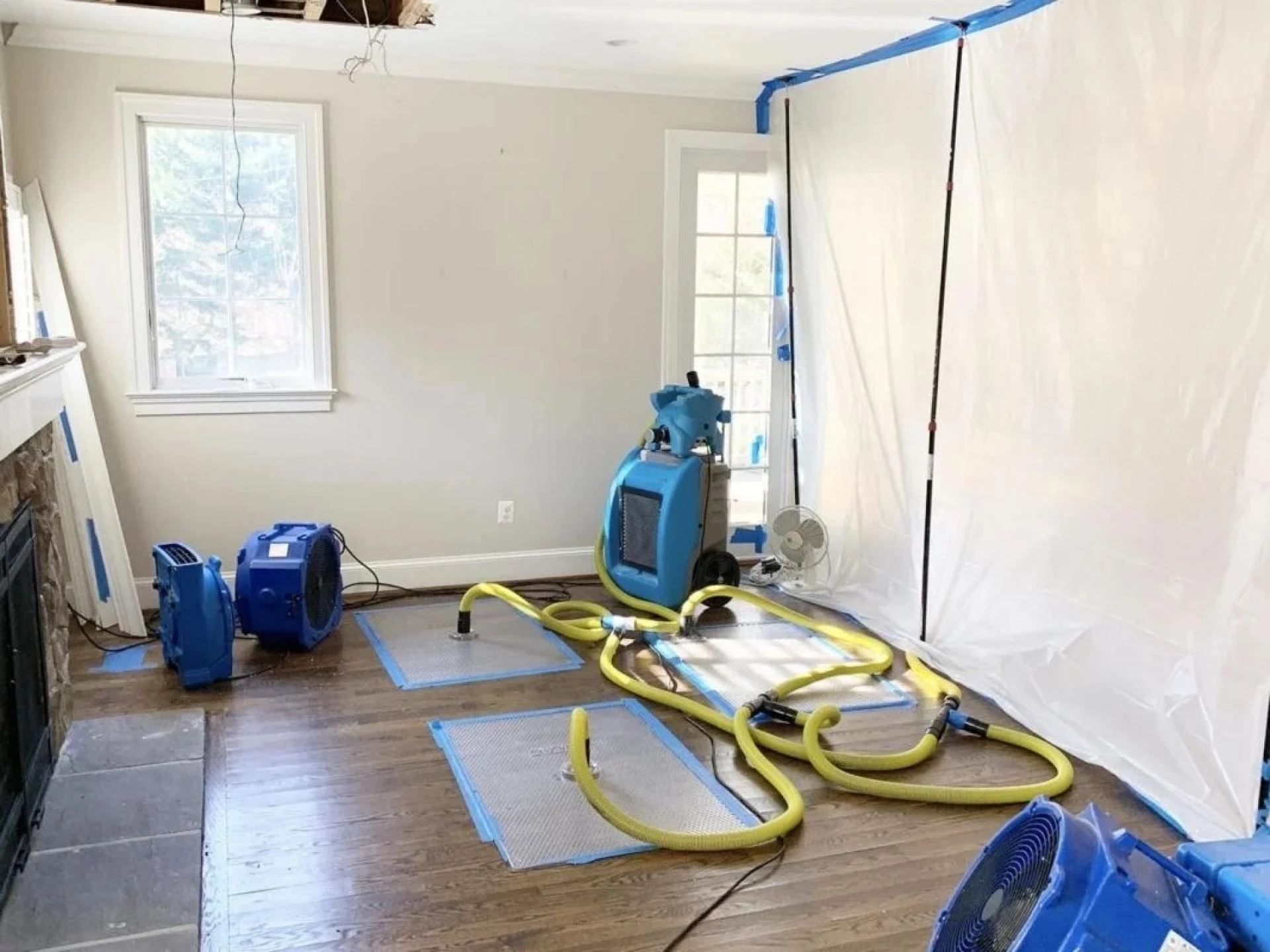
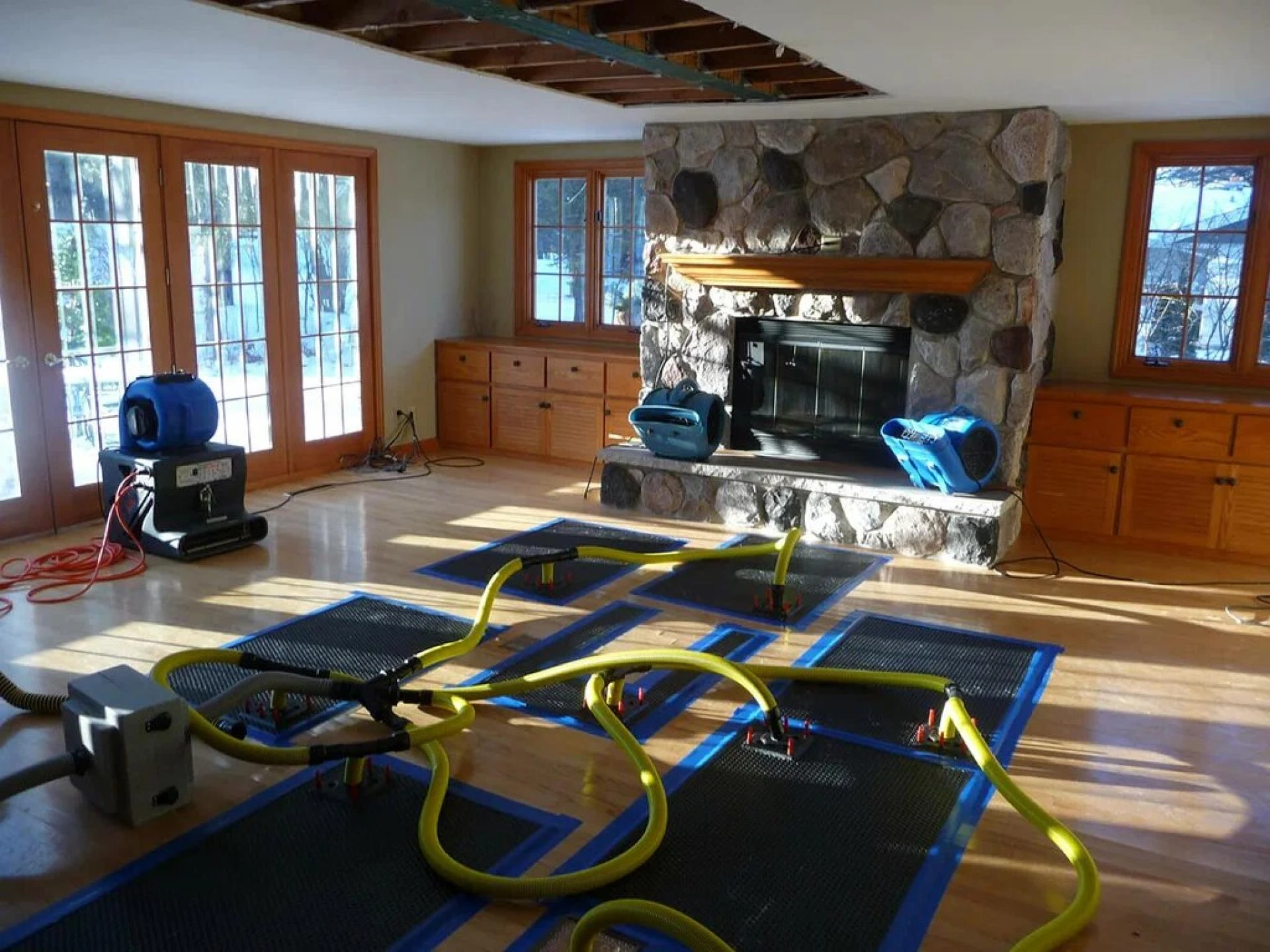
- Environmental Readings: It should also include daily readings of the temperature and relative humidity within the drying chamber.
The project is successfully complete when the final moisture readings of all the affected materials are at or below the dry standard. This data-driven approach removes all guesswork and is the single most important sign of a job done right.
Physical Signs of a Properly Mitigated Area
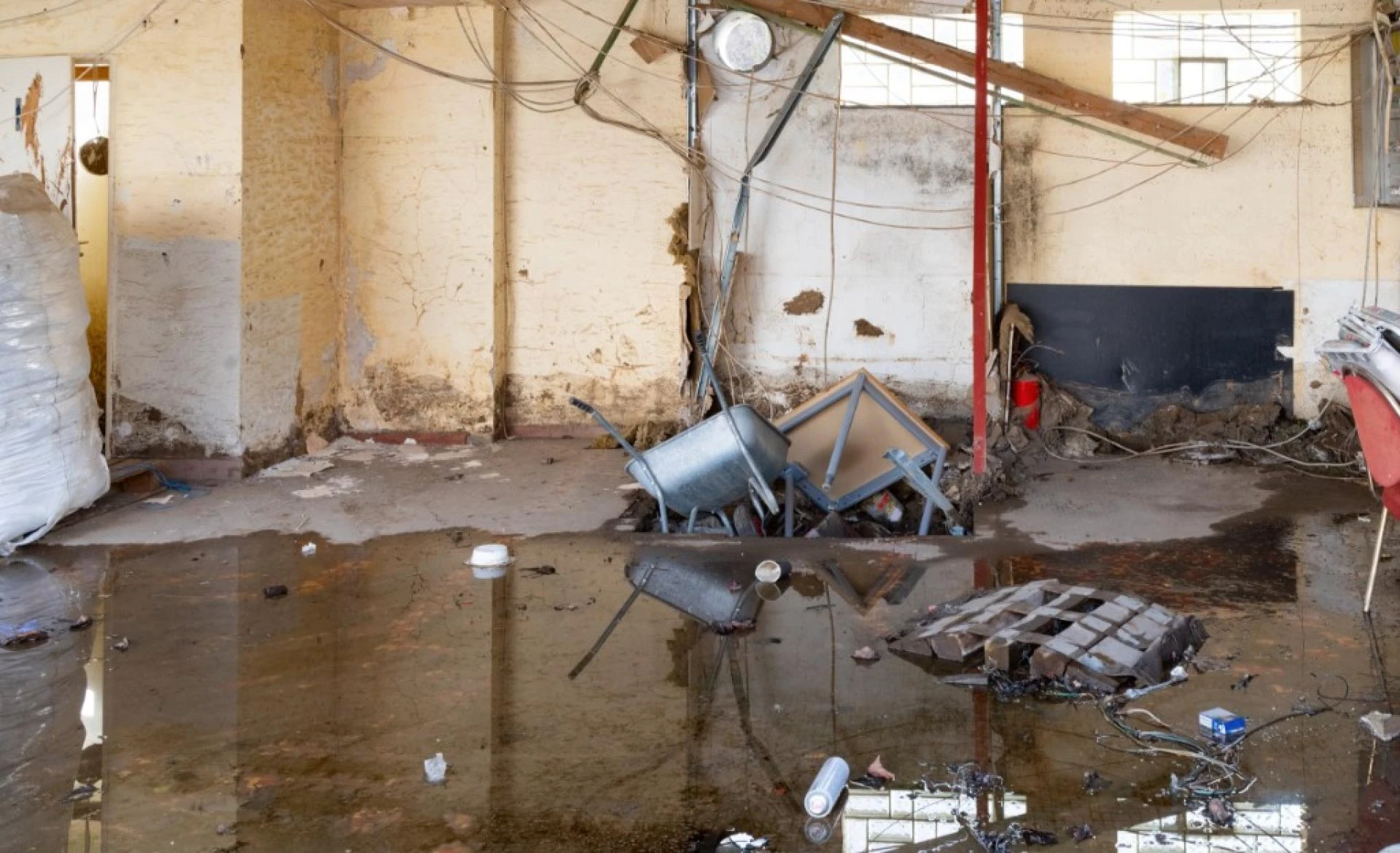
While the data is key, there are also several physical things a homeowner can and should check for.
No Visible Water or Dampness
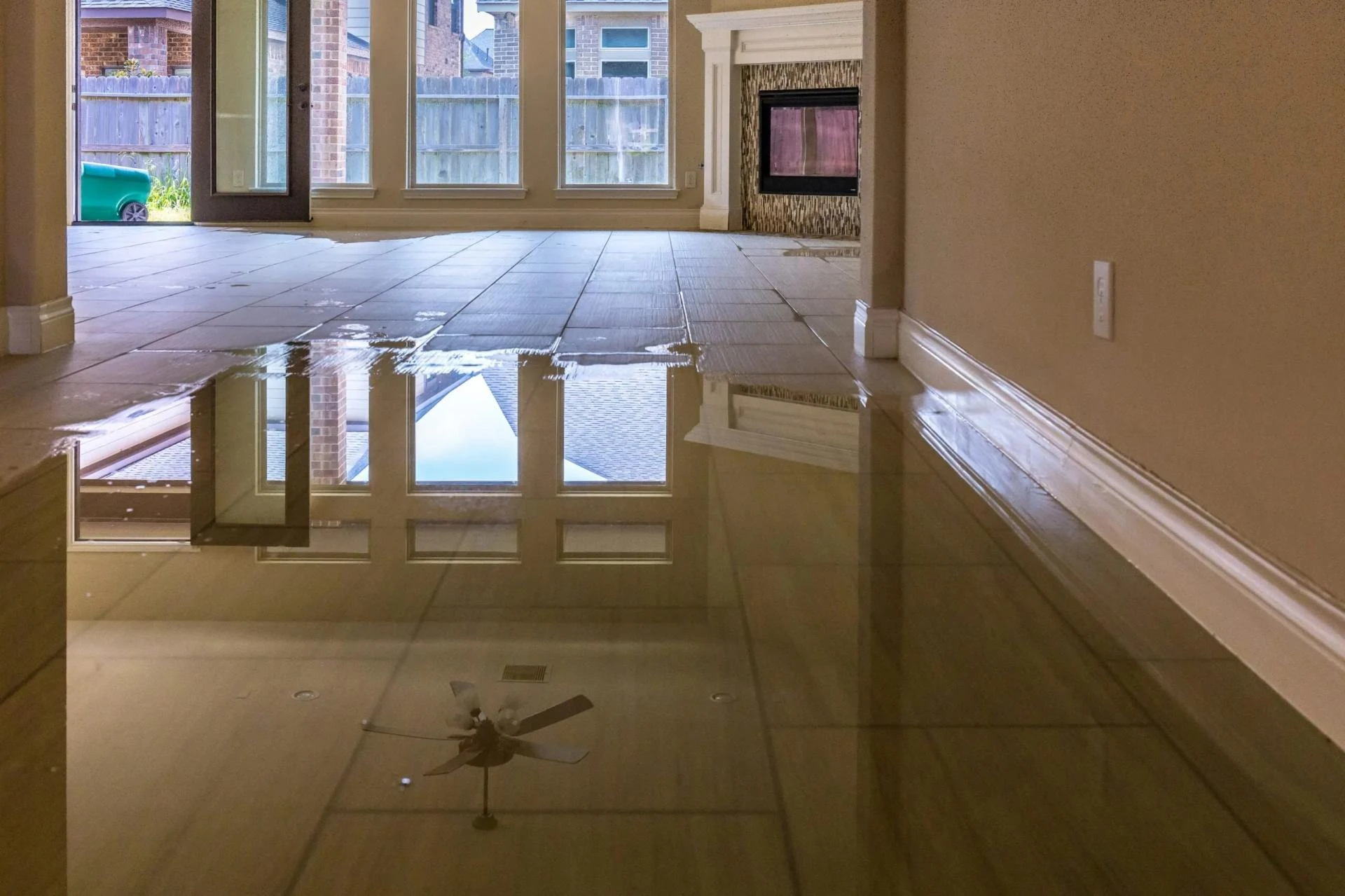
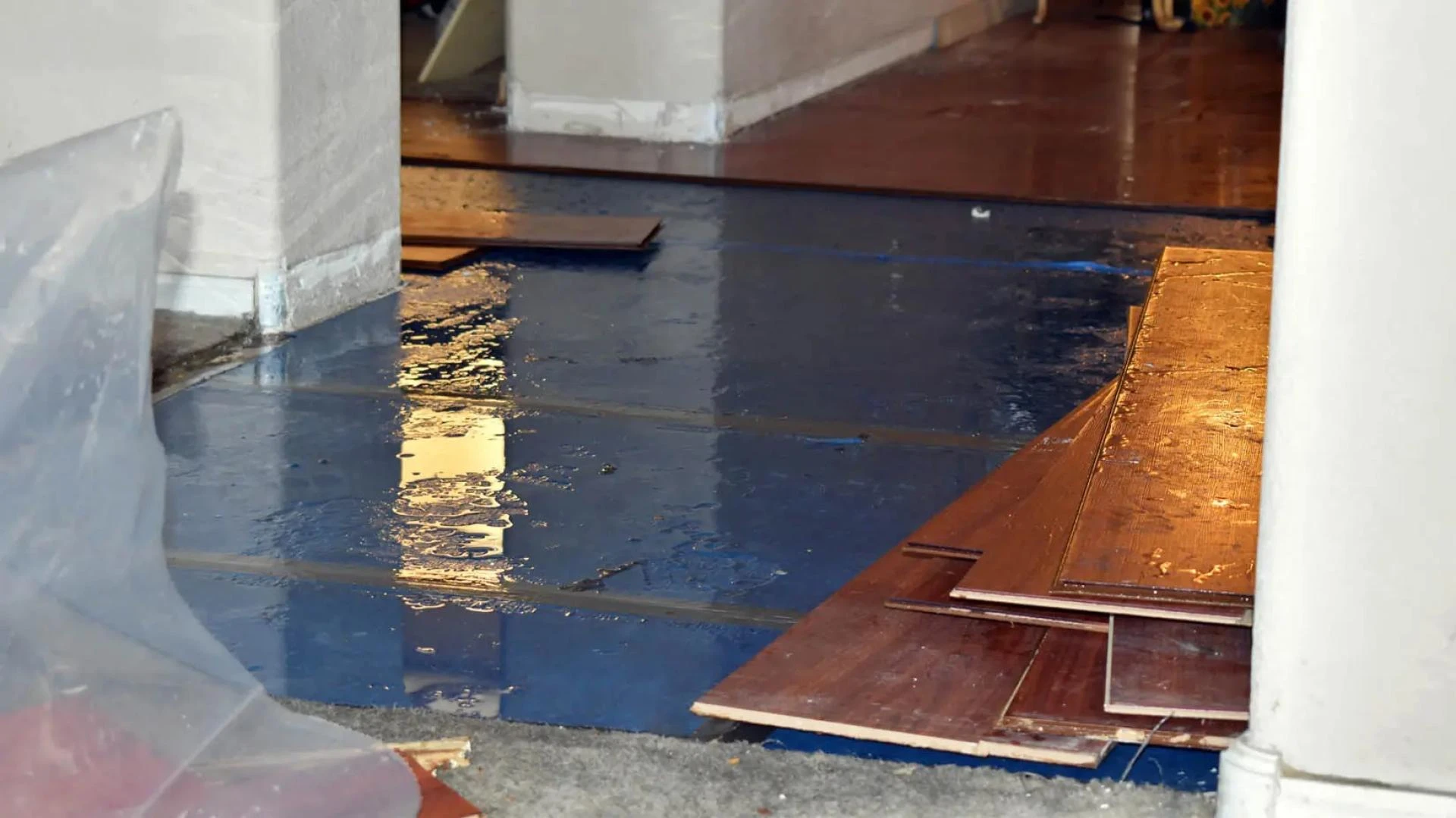
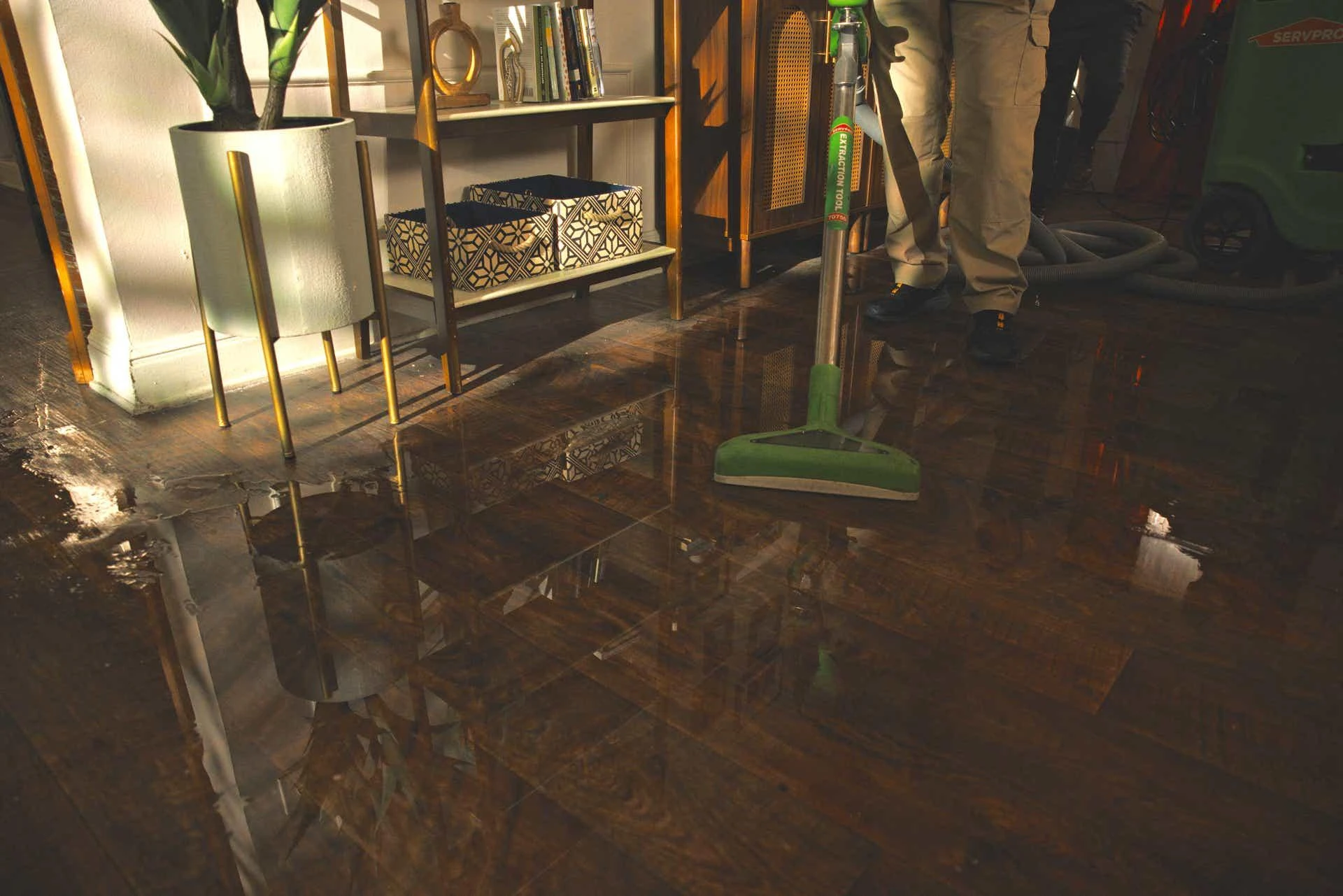
This is the most basic check. There should be no standing water, no damp spots on the walls or floors, and no condensation on any surfaces. Run your hands over the affected areas; they should feel completely dry to the touch.
Absence of Musty or Moldy Odors
Your nose is a powerful tool for detecting moisture problems. A successfully mitigated space should smell clean and neutral. A lingering musty, damp, or earthy smell is a major red flag, indicating a hidden pocket of moisture is likely fueling mold or mildew growth. This issue often becomes more noticeable on humid or rainy days, as higher ambient humidity can "reactivate" the smell.
All Saturated Porous Materials Have Been Removed
A key part of a proper mitigation job is the removal of all saturated porous materials that cannot be reliably salvaged. At the end of the project, you should be able to see that all the affected:
- Carpet padding has been removed.
- Insulation has been removed from wet wall cavities.
- Drywall has been cut out at least a foot above the water line (a "flood cut").
If you see original, water-stained materials still in place, it’s a sign that corners may have been cut.
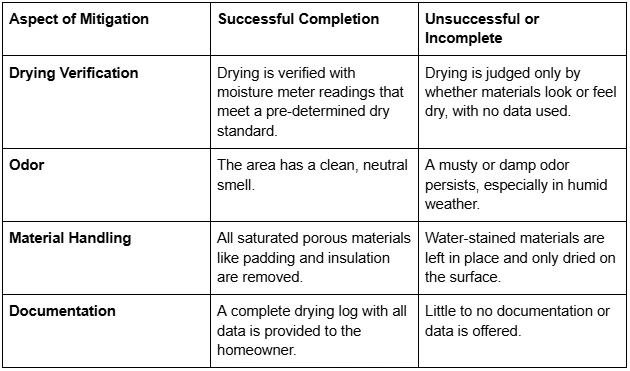
Comparing a Successful Project with an Unsuccessful One
The difference between a complete and an incomplete job often lies in the details that are not immediately visible.
Things to Check Before Signing Off on the Project
Before you make the final payment and sign a certificate of completion, take the time to do a thorough final walk-through.
Review the Documentation Carefully
Don't just glance at the drying log. Ask the project manager to walk you through it and explain the readings. Make sure you understand how they established the dry standard and that all the final readings meet that target. This report is not just for your peace of mind; it's a valuable document for your home's records. It's also a good idea to take your own photos of the dried-out space before any reconstruction begins. This gives you a personal record that the area was clean and dry before being sealed up behind new drywall and flooring.
Ask About the Moisture Source
A mitigation project isn't truly complete until the original source of the water has been identified and fixed. A professional restoration company will have identified the source (e.g., a burst pipe, a failed sump pump) and either repaired it or recommended the appropriate contractor (like a plumber or roofer) to do so. Ensure this has been addressed.
Common Questions About Project Completion
What if I see some discoloration on the wood studs after they are dry?
Water can sometimes leave behind mineral stains on wood, even after it is completely dry. This is usually not a problem as long as a moisture meter confirms that the wood's moisture content is back to normal. The project manager should be able to explain the difference between a simple stain and active mold growth.
The company just used fans and didn't remove any drywall. Is that okay?
It depends on the severity of the water damage. For a very minor, surface-level water event, this might be sufficient. But for any situation where water has saturated the drywall and gotten into the wall cavity, a "flood cut" to remove the wet material is the industry standard of care.
How soon after the equipment is removed can I start rebuilding?
As soon as the restoration company confirms that the structure is dry, you can begin the reconstruction process. There is no waiting period required.
What if a musty smell develops a few weeks after the job is done?
This is a sign that the job was not completed successfully. Contact the restoration company immediately. A reputable company will stand by their work and should come back to investigate the source of the odor.
Do I need to get a third-party test to confirm the job was done right?
For a standard clean water (Category 1) mitigation job, a third-party test is usually not necessary if the company provides complete drying documentation. However, if the job involved sewage (Category 3) or if there was significant mold, a post-remediation verification or "clearance test" from an independent industrial hygienist is a good idea for ultimate peace of mind.
The Final Word on a Job Well Done
A successful water mitigation service is one that leaves you with more than just a clean space; it leaves you with verifiable proof that your home has been returned to a safe, dry, and healthy condition. By focusing on the data from moisture meters and paying attention to the physical signs like the absence of odors, homeowners can be confident that the problem has been truly solved and that their property is protected from long-term damage.
This level of thoroughness and documentation is what you should expect from any professional service. Reputable companies, such as the certified team at Prestige NW Restoration, build their reputation on completing jobs to the highest industry standards. For homeowners needing a professional assessment or a properly managed restoration project, their team can be reached at (360) 334-3624 or by email at [email protected].
Reviewer: Matthew Moore brings over 15 years of experience in residential renovation marketing. The review provided helped shape this content to better connect with homeowners seeking reliable, high-quality restoration and home improvement services.






















Sign in to leave a comment.