When a home suffers from water, fire, or storm damage, the initial event is only the beginning. The actions taken during the restoration process are just as important, as the work itself can create new problems if not handled correctly. A professional restoration company’s primary job is not just to repair the damage but to actively protect the property and its contents from start to finish. They achieve this through six key methods: preventing secondary damage, containing contaminants, securing the site from outside threats, safeguarding personal belongings, using non-destructive techniques, and providing detailed documentation for financial protection.
This article details these six protective measures, explaining how a professional approach prevents a bad situation from getting worse. The information is based on established industry standards and provides homeowners with the knowledge to recognize a quality restoration service in action.
1 Preventing Secondary Damage
The most immediate threat after a water or fire event is secondary damage. This is the damage that happens after the initial incident, and it’s often more costly to fix. A professional team’s first priority is to stop this from occurring.
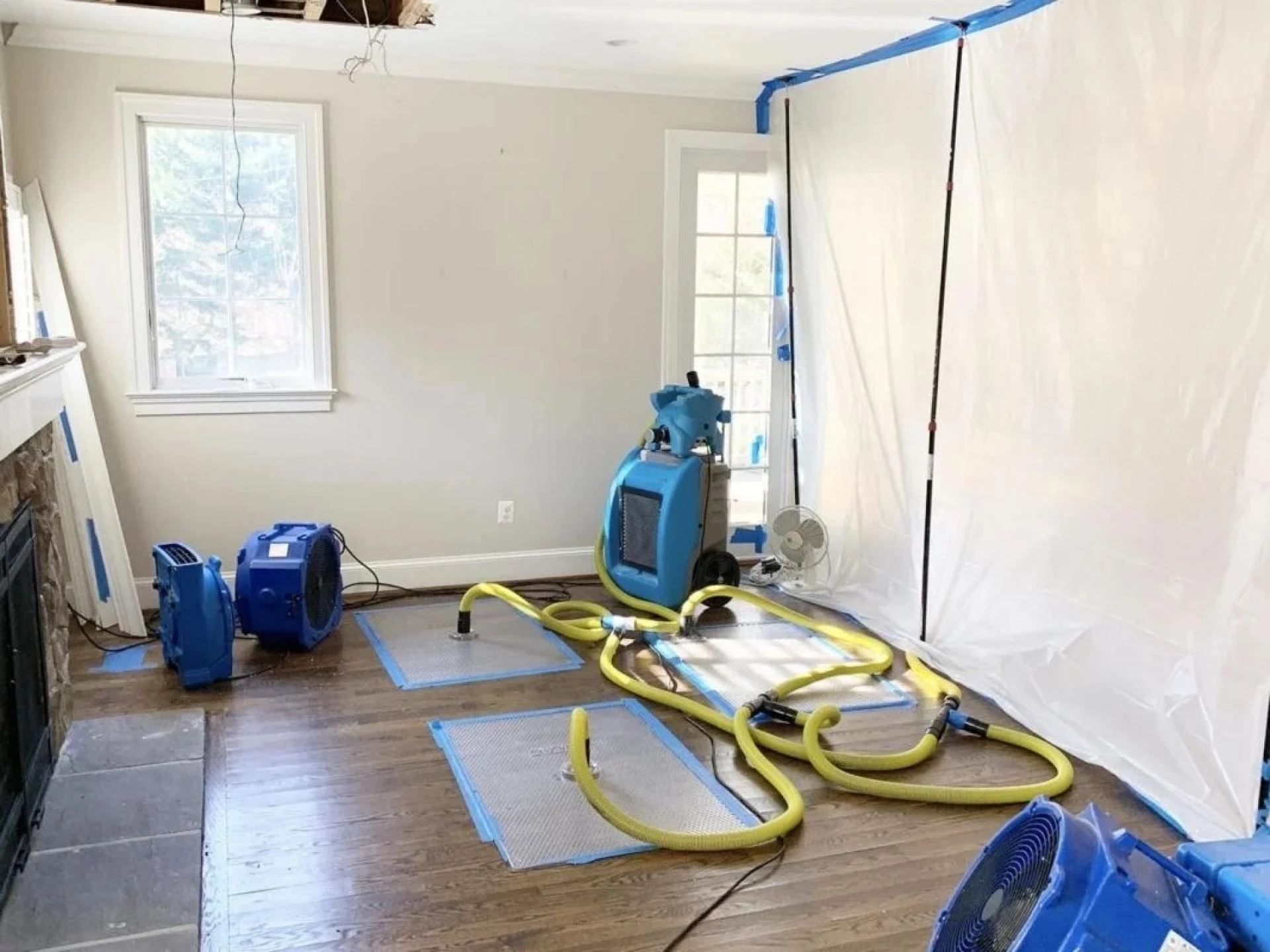
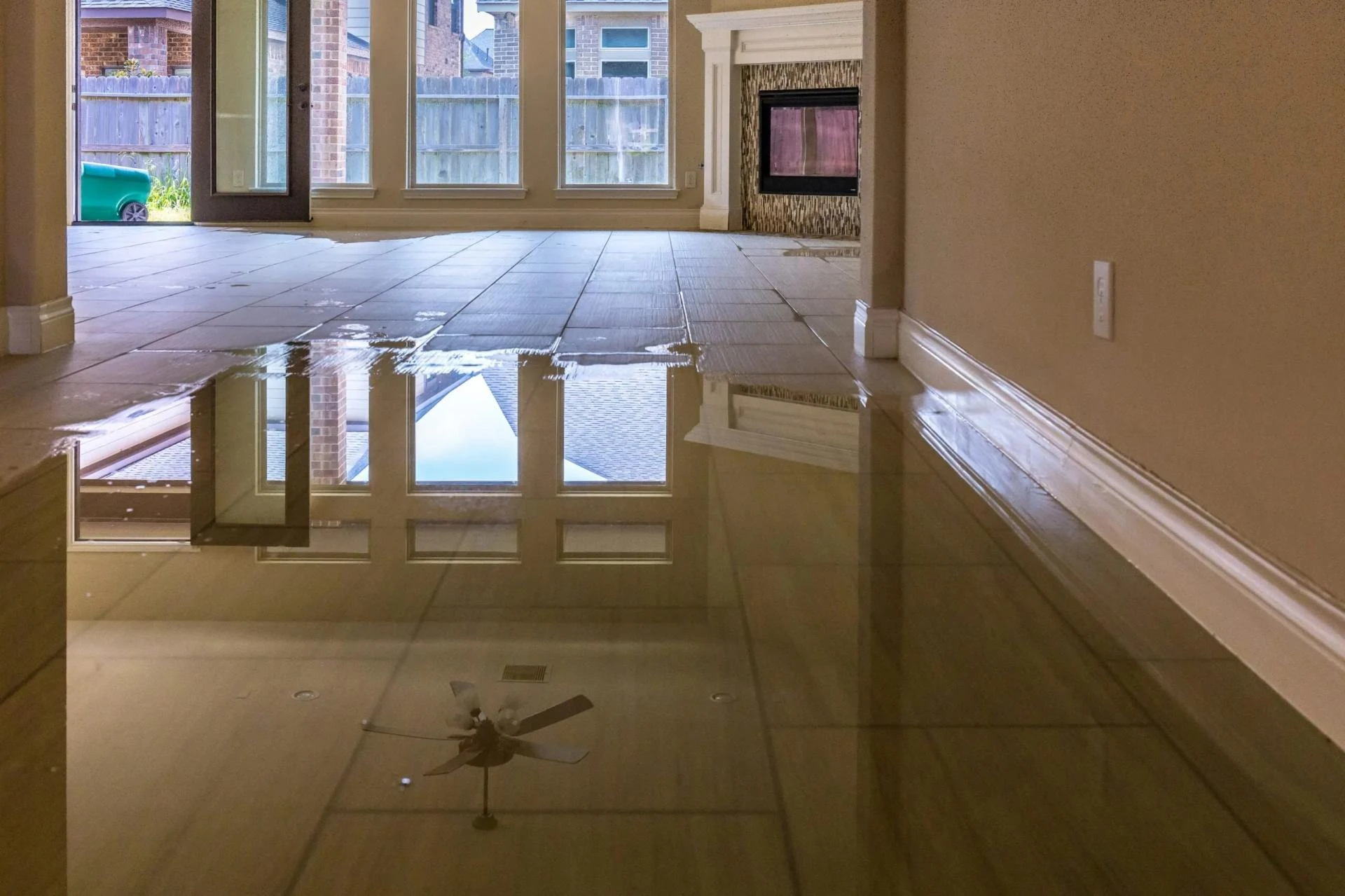
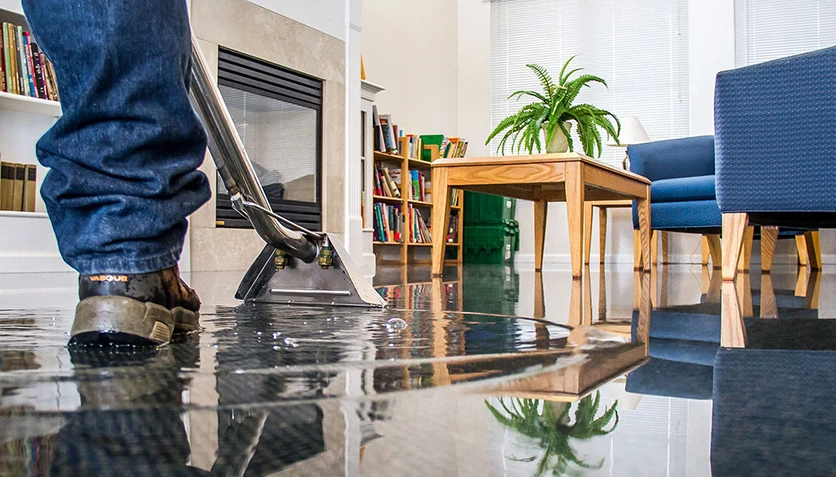
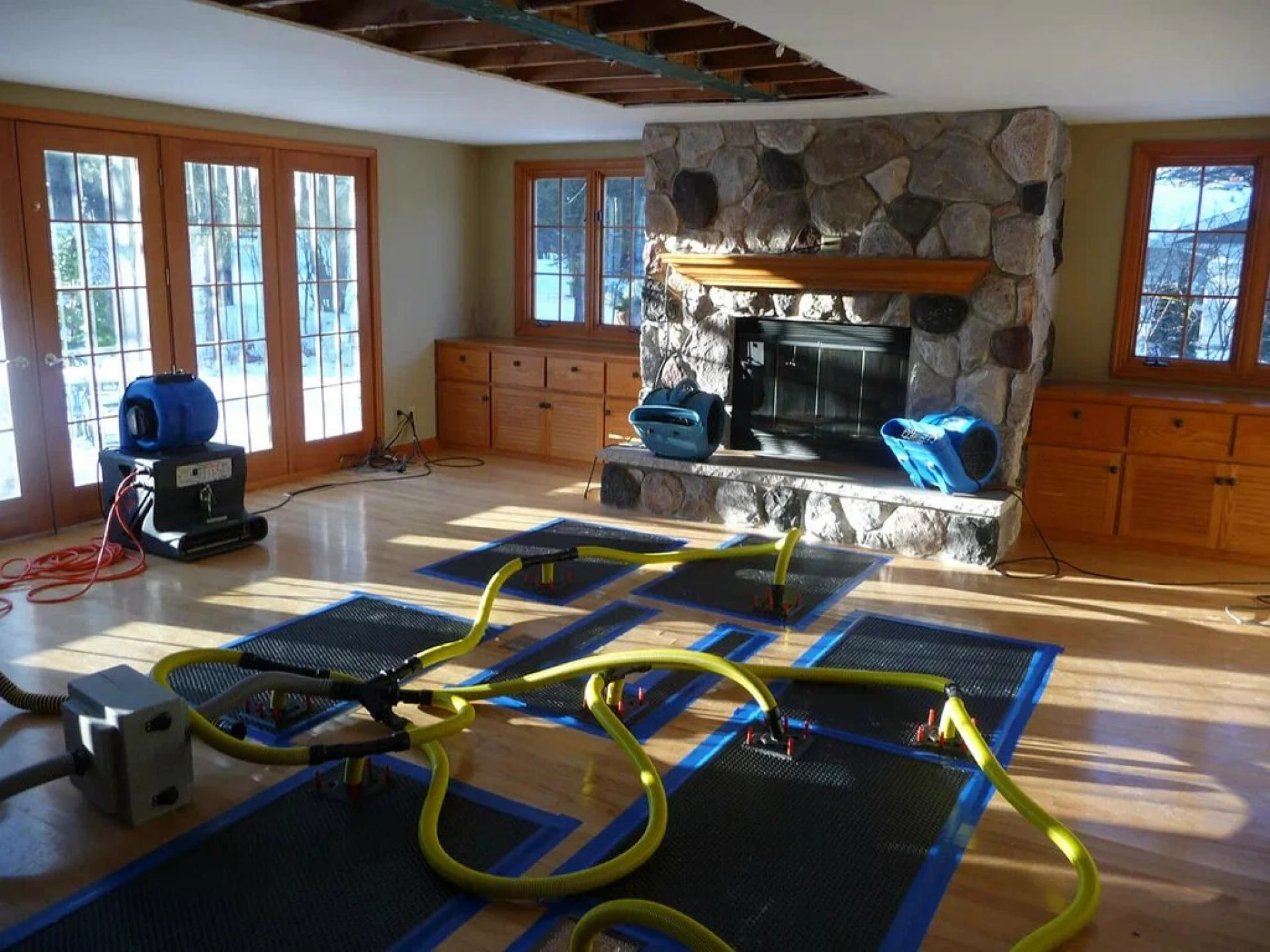
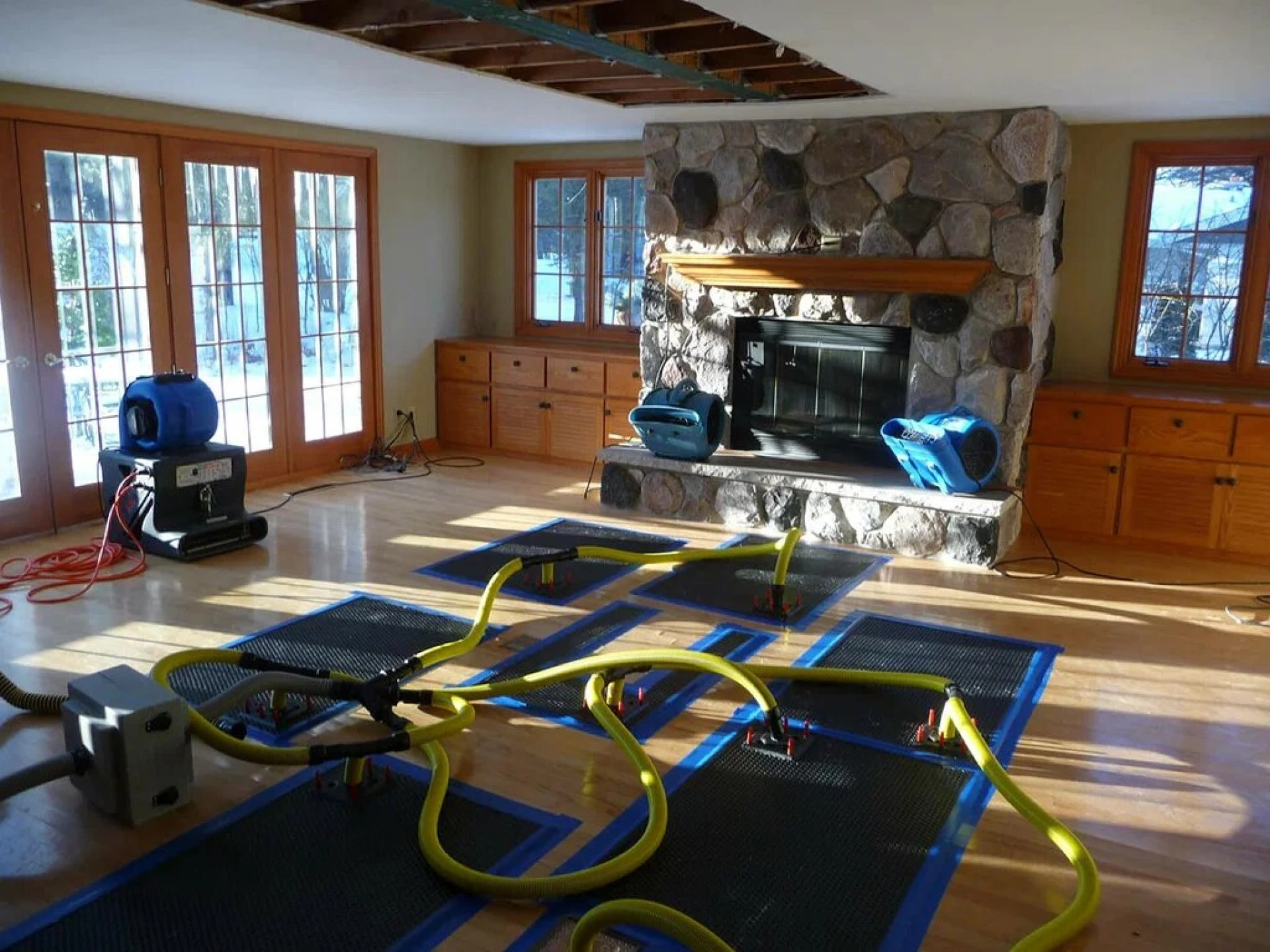
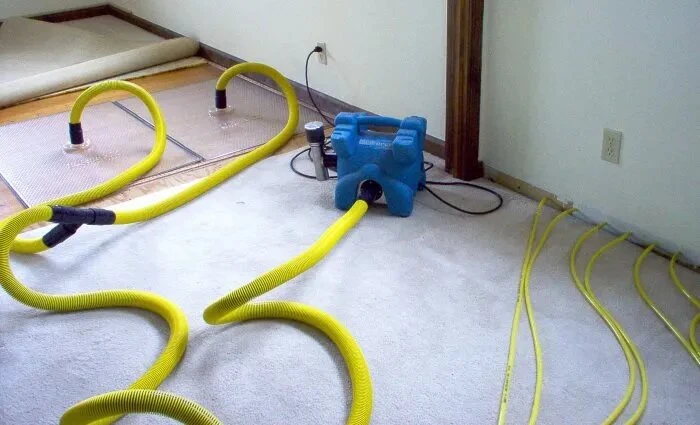
For water damage, this means rapid water extraction. Standing water can saturate drywall, warp wood floors, and seep into a building's subfloor within hours. Professional crews use powerful, truck-mounted extraction systems to remove bulk water quickly. Following extraction, they deploy industrial dehumidifiers and air movers to pull lingering moisture from the air and materials. Since mold can begin to grow in as little as 24 to 48 hours in damp conditions, this rapid drying process is the single most important step in protecting a property from a widespread mold problem.
2 Containing Contaminants and Dust
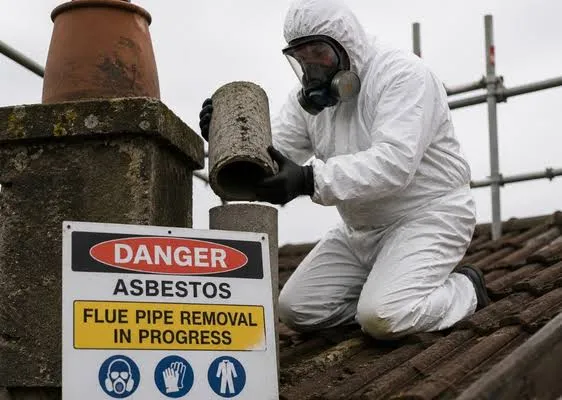
Restoration work is often messy. Demolishing drywall, cleaning up soot, or removing mold can release harmful particles and dust into the air. A key protective measure is to isolate the work area from the rest of the home.
Crews establish containment barriers, typically using heavy-duty plastic sheeting to seal off doorways and vents. To further prevent the spread of contaminants, they often use negative air machines. These devices pull air from the contained area and pass it through a HEPA filter before exhausting it outside. This creates a lower air pressure within the work zone, ensuring that dust, soot, or mold spores are pulled into the machine rather than drifting into clean parts of the house.
- Bonus Tip: Before demolition begins, it's wise to ask the project manager to walk you through the containment setup. A proper setup should include sealed barriers and an actively running negative air machine.
3 Securing the Property from External Threats
A fire can leave a hole in the roof, and a severe storm can break windows and doors, leaving a property exposed and vulnerable. A professional restoration company provides immediate site security to protect against weather, animals, and unauthorized entry. This includes:
- Board-Up Services: This involves technicians securely boarding up any broken windows, doors, or other openings to prevent access.
- Roof Tarping: If the roof is damaged, they will install heavy-duty tarps to keep rain and the elements out, preventing further water damage to the property's interior.
These temporary measures are essential for protecting the home while the larger repair process is planned and executed. According to property crime statistics, a vacant or visibly damaged home can be a target, making prompt security measures a top priority.
4 Protecting and Restoring Personal Belongings
The structure of the house isn't the only thing at risk. Furniture, electronics, clothing, and sentimental items can be easily damaged by moisture, soot, or even just the dust and debris from the restoration work.
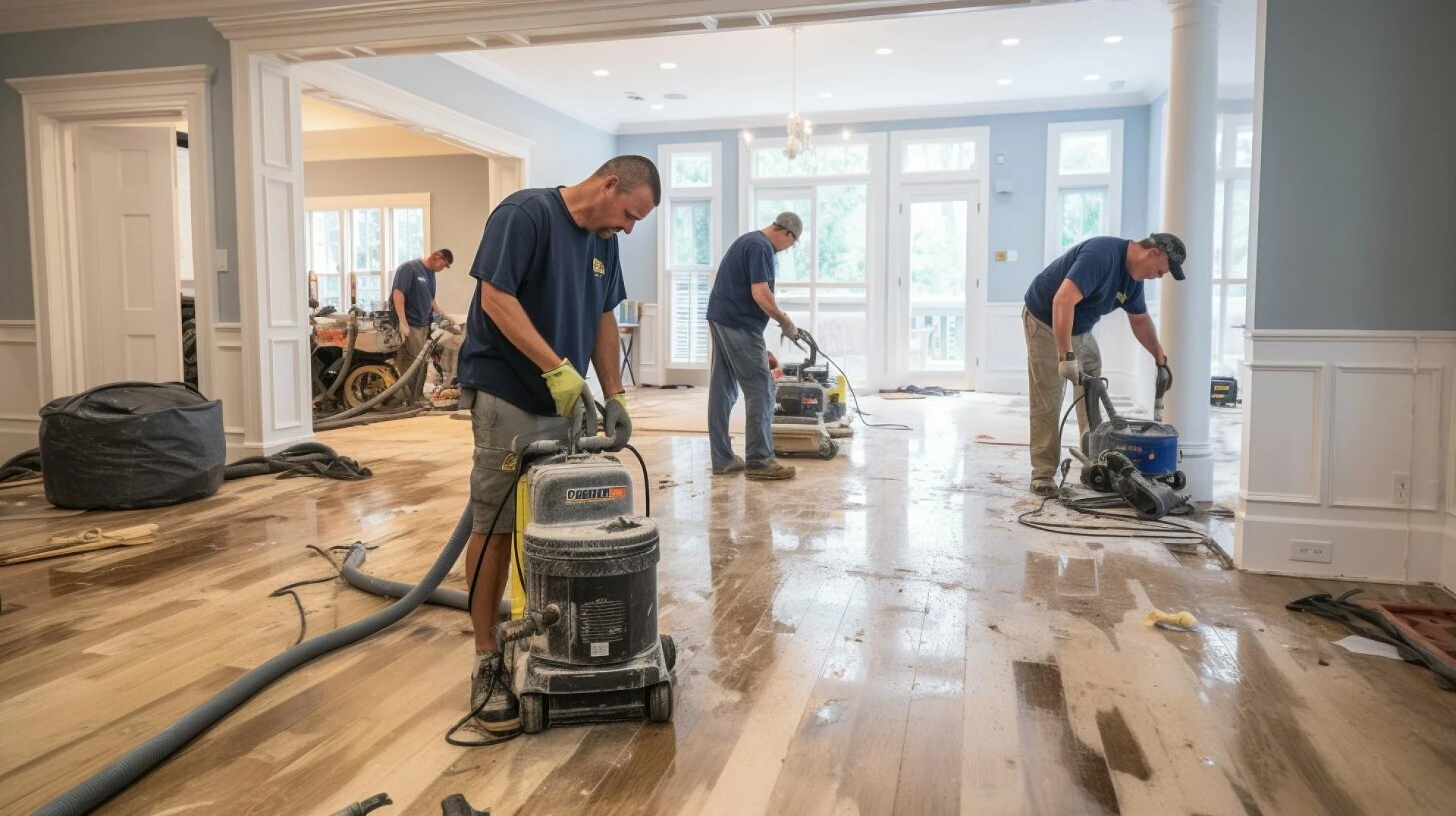
To protect these items, many companies offer a "pack-out" service. A specialized crew will carefully inventory, photograph, and pack up the contents of the affected areas. These items are then moved to a secure, climate-controlled facility for cleaning, restoration, and storage. This gets them out of harm's way and allows the structural work to proceed more efficiently.
- Bonus Tip: Always ask for a copy of the detailed inventory list before your belongings are removed from the property. This document is important for your records and for any financial claims process.
5 Using Non-Destructive Techniques
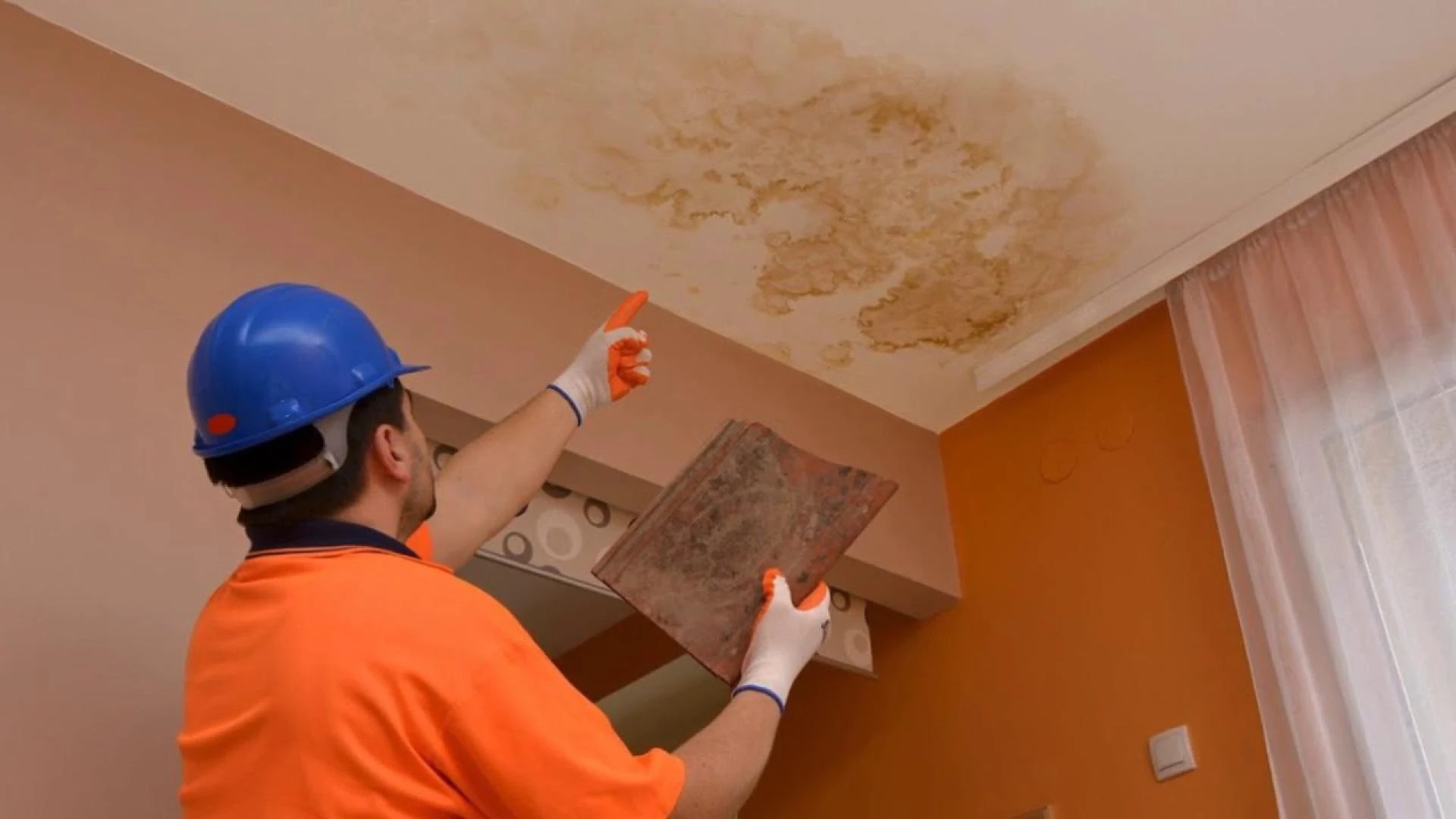
Modern restoration service focuses on saving as much of the original property as possible. This approach is not only less disruptive but also more cost-effective. Instead of relying on guesswork and excessive demolition, technicians use advanced technology to be more precise. For example, they use thermal imaging cameras and moisture meters to find the exact location of hidden water without needing to cut holes in walls. This allows them to target their drying efforts surgically. This scientific approach helps preserve materials like drywall, and hardwood floors that might have been torn out and discarded in the past.
6 Providing Meticulous Documentation
Proper documentation is a form of financial protection. Throughout the restoration process, a professional company will keep a detailed log of all actions taken. This includes photos of the initial damage, daily moisture readings, equipment logs, and a complete record of all repairs. This thorough documentation is critical when working with an insurance company, as it provides clear, undeniable proof of the damage and the steps taken to fix it. This organized record helps ensure the property owner is fairly compensated and speeds up the entire claims process.
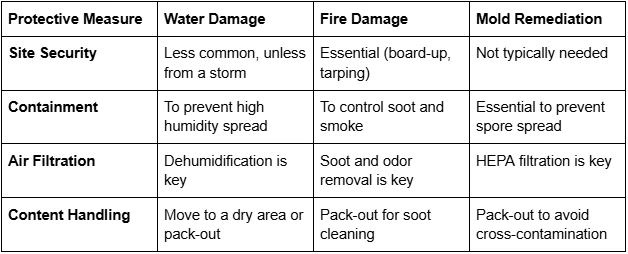
Comparing Protective Measures by Damage Type
While these protective measures are universal, their specific application often varies depending on the type of damage. This table provides a quick overview.
Things to Consider Before a Project Starts
With this information in mind, homeowners are better equipped to vet a company. Before signing a contract, the most important thing a property owner can do is ask questions specifically about protection.
- What is your plan to protect the unaffected areas of my home?
- How will you secure the property if it’s exposed to the outside?
- Do you offer pack-out services for my belongings?
- What kind of documentation will I receive during and after the project?
The answers to these questions will reveal a company's commitment to protecting your property, not just repairing it. Reputable firms like Prestige NW Restoration will have clear, established protocols for all these scenarios.
Questions People Ask About Property Protection
What happens to my pets during the restoration process?
For their safety and comfort, it's best to relocate pets during the restoration. The loud noise from equipment and the presence of workers can be stressful for animals. Also, some cleaning agents and open work areas can be hazardous.
How do you protect flooring in undamaged areas?
Crews should lay down protective coverings like heavy paper, plastic sheeting, or floor runners in high-traffic areas and hallways that are not part of the work zone to prevent scuffs, dirt, and damage.
Is the board-up service strong enough to prevent a break-in?
Yes, professional board-up services use heavy plywood that is bolted securely into the building's frame. This creates a strong barrier that is a significant deterrent to unauthorized entry.
Will my electricity need to be turned off?
It depends on the situation. For significant water or fire damage, the electricity may need to be shut off for safety. However, restoration crews use their own power generators to run their equipment, so the work can continue.
What is a negative air machine?
A negative air machine is a powerful fan that pulls air through a series of filters, including a High-Efficiency Particulate Air (HEPA) filter. It's used inside a contained area to capture airborne particles like dust, soot, and mold spores, preventing them from spreading.
Your Property’s Safety is the Priority
Ultimately, a restoration project should leave a home in better condition, not create new problems. The six methods outlined here are the standard of care for any professional restoration company. Their job is to control the chaos of a property damage event, and that starts with a clear plan to protect the structure and everything in it. Understanding these protective measures allows homeowners to feel more confident and in control during a stressful time.
Finding a Company That Prioritizes Protection
When you need restoration work, look for a company that can clearly explain how they will protect your property throughout the entire project. This focus on prevention and containment is what separates a true professional from a simple contractor. For homeowners looking for a team with established protocols for site security, content protection, and contamination control, a company like Prestige NW Restoration can provide detailed plans. They can be reached for a consultation at [email protected] or by phone at (360) 334-3624.
Reviewer: Matthew Moore brings over 15 years of experience in residential renovation marketing. The review provided helped shape this content to better connect with homeowners seeking reliable, high-quality restoration and home improvement services.























Sign in to leave a comment.