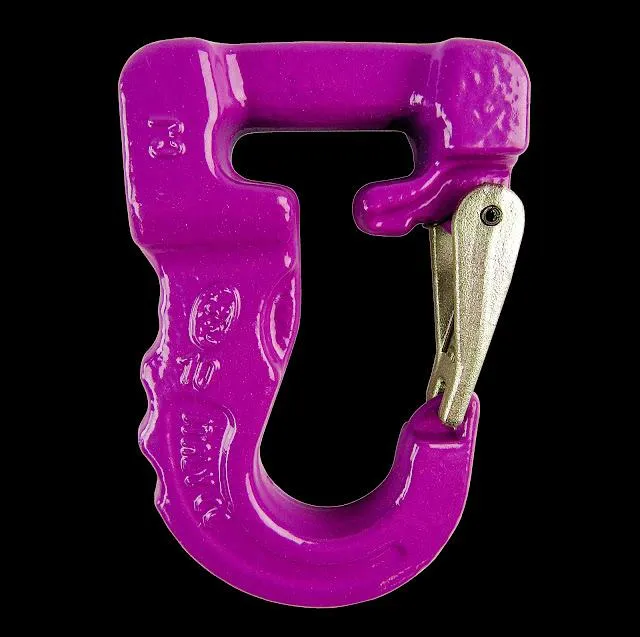

Safe load handling depends on carefully selected equipment that can connect, support, position, and control loads throughout a lifting operation. While lifting machines provide the primary force for movement, supporting components play an equally important role in creating a dependable lifting arrangement. Rigging hardware helps establish secure connections between lifting equipment, slings, lifting points, and loads when selected and used correctly. Shackles, hooks, links, lifting points, and related components each perform specific functions within a complete system. Understanding their purpose allows workers to prepare lifting arrangements more carefully and reduce avoidable risks during material handling.
Understanding the Role of Rigging Hardware
Rigging hardware consists of various mechanical components used to connect or support elements within a lifting system. These components help transfer forces between the lifting machine, sling assembly, and load. Their dimensions, capacity, material, and configuration must correspond with the requirements of the intended application. A component that appears physically suitable may still be inappropriate if its capacity or loading direction does not match the task. Workers should therefore evaluate every component as part of the complete lifting arrangement. Proper selection supports stability, reliable connections, and controlled movement throughout the handling process.
Common Types of Hardware
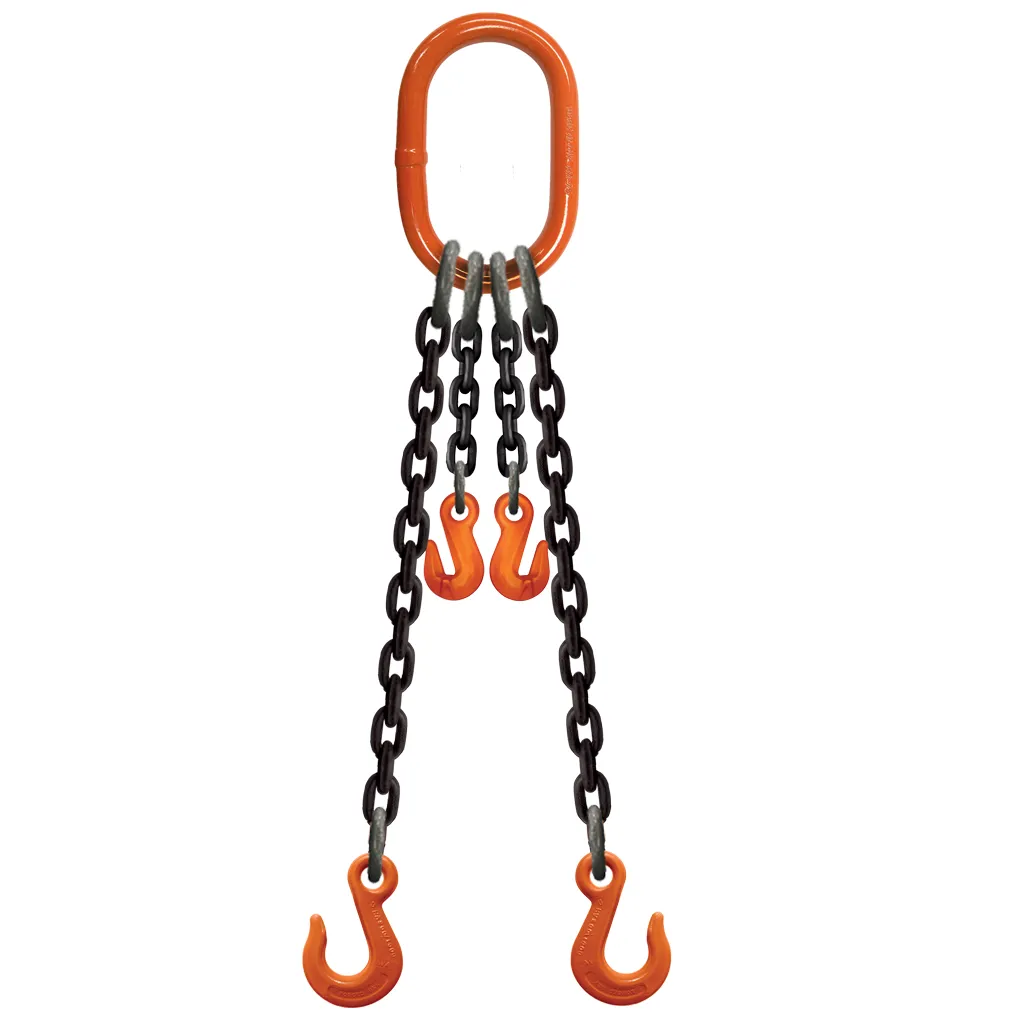
Common lifting hardware includes shackles, hooks, master links, lifting points, eye bolts, and other approved connection components. Each type serves a particular purpose and has specific characteristics that determine how it can be used. Shackles can provide detachable connections, while hooks can connect lifting equipment with compatible attachments. Master links can serve as central connection points within suitable multi leg assemblies. Lifting points can provide designated attachment locations on compatible loads. Workers should understand the intended function and limitations of each component before incorporating it into a lifting arrangement to prevent unsuitable combinations.
Why Component Compatibility Matters
Compatibility is essential because lifting components must work together without creating unintended loading conditions. A hook, shackle, sling, or lifting point should have suitable dimensions and capacity for the connected equipment. Workers should confirm that components seat correctly and remain properly aligned when the load is lifted. Connections should not be forced together simply because their openings appear large enough. Differences in size, shape, or loading direction can create concentrated forces. Evaluating compatibility before assembly helps establish a more coherent lifting system and reduces the likelihood of connection problems during load movement.
Supporting Secure Load Connections
One of the primary functions of lifting hardware is establishing secure connections between different components. A properly selected connection can help transfer the intended forces from the load to the lifting equipment while maintaining stability. The connection should remain correctly positioned throughout the lift and should not create unexpected side loading or twisting. Workers should inspect each connection before applying significant tension. They should also confirm that locking mechanisms, pins, or other securing features are correctly engaged where applicable. Careful connection practices provide an important foundation for controlled lifting and safer material handling activities.
Using Shackles Correctly
Shackles are commonly used when detachable connections are required between compatible lifting components. Their body and pin must be suitable for the intended load and configuration. Workers should ensure that the pin is properly installed and that the shackle is loaded in the manner intended by its design. Side loading or improper connection can change how forces act on the component. The shackle should also be inspected for deformation, corrosion, cracks, excessive wear, or damaged threads. Selecting the appropriate type and size helps create a stronger connection between compatible components within a lifting assembly.
Selecting Suitable Hooks
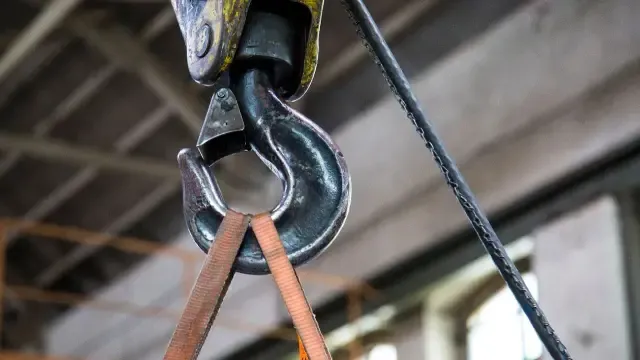
Hooks provide another important connection between lifting equipment and supported loads or sling assemblies. Workers should select hooks according to their capacity, design, connection method, and intended application. A hook should engage the appropriate connection point without creating unstable contact. Where a retaining mechanism is provided, it should function correctly and should not be treated as a substitute for proper load placement. Workers should inspect hooks for deformation, cracks, excessive throat opening, wear, or other signs of damage. Correct hook selection and positioning help maintain secure connections while supporting controlled movement.
Considering Working Load Limits
Every lifting component has limitations that must be respected during operation. The working load limit provides important information about the load a component is designed to support under specified conditions. Workers should verify the applicable limit for each component and compare it with the actual lifting arrangement. The complete system should be evaluated because the overall capacity can be restricted by the component with the lowest applicable limit. Configuration, angles, connection methods, and load distribution can also influence forces. Understanding these factors helps prevent workers from relying on a single capacity value when planning a lift.
Evaluating the Complete System
A lifting assembly may include several different components, each with its own capacity and limitations. Slings, shackles, hooks, master links, lifting points, and the lifting machine must work together within appropriate limits. Workers should examine the specifications of every component rather than assuming that one highly rated item determines the capacity of the entire system. The load itself must also be assessed for weight, shape, center of gravity, and attachment characteristics. Evaluating the complete system helps identify potential restrictions before lifting begins and supports a more systematic approach to load handling.
Considering Load Angles
Load angles can influence the forces experienced by rigging components, particularly in multi leg sling arrangements. As the geometry of an assembly changes, individual sling tensions may increase even when the total load weight remains unchanged. This can place additional forces on connection hardware and lifting points. Workers should therefore consider the actual sling arrangement and use appropriate calculations or approved reference information when required. Hardware should never be selected solely according to the load weight. Understanding angle effects helps workers establish configurations that remain within applicable capacity limits during lifting.
Inspecting Rigging Hardware Before Use
Inspection is an essential part of maintaining safe lifting equipment. Before use, workers should examine hardware for visible cracks, deformation, corrosion, excessive wear, damaged threads, bent components, or other conditions that may affect serviceability. Pins, hooks, links, and connection surfaces should receive attention because damage to one part can compromise the entire assembly. Identification markings should also remain readable so workers can verify capacity and specifications. Equipment with questionable condition should be removed from service according to established procedures. Regular inspection helps identify deterioration before a component is subjected to significant lifting forces.
Recognizing Hardware Damage
Different components can show different signs of deterioration. Shackles may develop distorted bodies, damaged pins, or excessive wear, while hooks may show deformation or an enlarged throat opening. Links can develop cracks, stretching, or changes in shape. Threads may become damaged through improper handling or repeated use. Workers should understand the inspection characteristics relevant to each component rather than relying on a general visual check. Any condition that raises uncertainty should be evaluated by an appropriately qualified person. Identifying damage early can help prevent compromised components from being incorporated into future lifting arrangements.
Maintaining Identification Markings
Identification markings allow workers to confirm important information about lifting hardware before use. Depending on the component, markings may indicate capacity, size, material, or other relevant specifications. If markings become unreadable, missing, or damaged, workers may not be able to verify whether the component is appropriate for the planned task. Guessing capacity based on appearance or previous experience can introduce unnecessary risk. Equipment with unclear identification should be handled according to established workplace procedures until its specifications can be confirmed. Maintaining readable markings supports better equipment selection, inspection, and inventory management.
Improving Load Stability
Rigging hardware contributes to load stability by providing secure connection points and helping distribute forces through the lifting arrangement. However, hardware alone cannot compensate for an unstable load. Workers should determine the center of gravity and identify how the load may react when tension is applied. Attachment points should be positioned appropriately, and connected components should remain aligned throughout movement. A carefully prepared assembly can help reduce shifting, swinging, or unexpected rotation. Workers should raise loads gradually when appropriate so they can observe the arrangement and stop the operation if instability becomes apparent.
Managing the Center of Gravity
The center of gravity determines how a load behaves when it is suspended. If connection points are positioned incorrectly relative to the center of gravity, the load may tilt, rotate, or shift unexpectedly. Workers should identify the weight distribution before selecting connection hardware and sling arrangements. Loads with uneven weight distribution require particularly careful planning. The connection system should support stable suspension while allowing the lifting equipment to maintain control. Understanding the center of gravity helps workers choose suitable attachment points and reduce unexpected movement during lifting, positioning, and placement activities.
Preventing Side Loading
Many lifting components are designed to carry forces in specific directions, making unintended side loading a significant consideration. Side loading can change how forces act on a component and may reduce its suitability for the intended application. Workers should maintain proper alignment between hooks, shackles, links, and lifting points whenever possible. If the load geometry requires an unusual connection, the arrangement should be evaluated before use. Components should not be twisted or positioned in ways inconsistent with their intended design. Proper alignment supports predictable force transfer and reduces unnecessary stress on lifting hardware.
Supporting Efficient Material Handling
Appropriate lifting hardware can also improve efficiency by making connections easier to establish and repeat during suitable material handling activities. When components are selected according to recurring load requirements, workers can prepare familiar lifting arrangements with greater consistency. Efficient handling should never involve skipping inspection or planning steps. Instead, organizations can improve productivity by maintaining organized equipment inventories, clear procedures, and accessible specifications. Properly selected hardware can reduce unnecessary adjustments and help workers position loads accurately. This combination of preparation and equipment suitability supports smoother operations while maintaining attention to essential lifting practices.
Organizing Equipment
Organized storage helps workers identify and access suitable lifting hardware when preparing an operation. Components should be stored in conditions that protect them from excessive moisture, corrosive substances, impact, contamination, and other damaging influences. Equipment should also remain clearly identifiable so workers can distinguish between components with different capacities or specifications. Poor organization can encourage rushed selection or accidental use of unsuitable hardware. Maintaining a structured inventory allows inspections to be performed more easily and supports better equipment control. Proper storage therefore contributes to both operational efficiency and responsible lifting equipment management.
Training Workers in Hardware Use
Workers who handle lifting equipment should understand the purpose, limitations, and inspection requirements of the hardware they use. Training can cover component identification, capacity information, connection methods, inspection procedures, load positioning, communication, and response to unexpected conditions. Practical instruction can help workers recognize how incorrect connections or loading arrangements affect equipment performance. Supervisors can reinforce these principles through regular observation and review. Training should also emphasize that equipment should never be modified without appropriate authorization. Knowledgeable workers are better prepared to identify unsuitable conditions and make safer decisions before a load is suspended.
Planning Before Lifting
Lift planning provides an opportunity to identify equipment requirements before workers begin connecting components. The plan should account for load weight, dimensions, center of gravity, attachment points, sling configuration, hardware capacity, lifting angles, and movement path. Environmental conditions should also be considered where they could affect equipment selection or load control. Workers should determine communication methods and establish suitable areas for personnel before movement begins. A clear plan reduces uncertainty and gives the lifting team an opportunity to resolve equipment concerns before applying significant forces to the assembly.
Maintaining Hardware for Continued Use
Proper maintenance helps preserve the condition of lifting hardware between operations. Components should be cleaned and stored according to their material and applicable handling guidance. Workers should protect equipment from unnecessary exposure to chemicals, moisture, excessive heat, impact, and abrasive conditions. Hardware should not be altered, welded, drilled, or repaired through unauthorized methods because modifications can change its original characteristics. Periodic inspections should complement pre use checks, particularly for equipment used frequently or in demanding environments. Consistent maintenance helps organizations identify deterioration and manage equipment responsibly throughout its service life.
Building a Safer Lifting Culture
Safe load handling depends on more than individual components. Organizations benefit when equipment selection, inspection, training, planning, communication, and maintenance are treated as connected responsibilities. Workers should feel empowered to stop an operation when equipment condition, load stability, or connection suitability is uncertain. Supervisors can support this culture by providing clear procedures and ensuring that suitable equipment is available. Regular reviews can identify recurring problems and opportunities for improvement. When these practices become part of normal operations, lifting teams can approach material handling with greater consistency and awareness of potential hazards.
Conclusion
Rigging hardware supports safe load handling by creating essential connections between lifting equipment, sling assemblies, lifting points, and loads. Shackles, hooks, links, and related components must be selected according to capacity, dimensions, configuration, and intended loading conditions. Inspection, proper alignment, load assessment, storage, maintenance, and worker training further contribute to reliable lifting practices. Evaluating the complete lifting system is especially important because every component must remain within its applicable limitations. Lift-All Company, Inc. recognizes the importance of dependable rigging practices and informed equipment selection when supporting controlled and responsible material handling operations.

























Sign in to leave a comment.