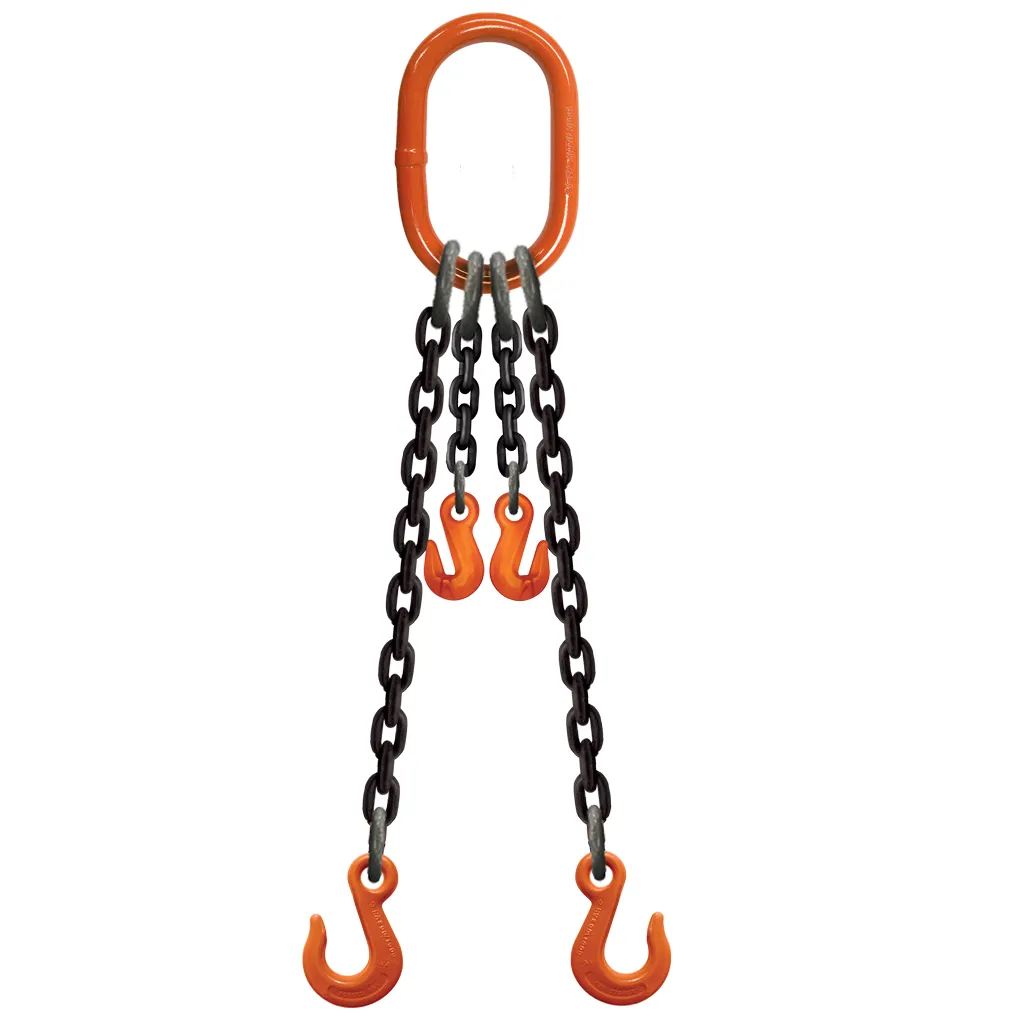

Selecting suitable lifting equipment is an important part of maintaining safe and efficient industrial operations. Heavy loads require dependable equipment that can withstand demanding working conditions while providing consistent performance. Among the available options, chain slings are widely considered for applications involving heavy materials, challenging environments, and repetitive lifting tasks. Their strength, flexibility, and ability to handle substantial loads make them useful across construction, manufacturing, transportation, and industrial facilities. However, choosing the appropriate sling requires careful attention to load characteristics, working conditions, lifting configuration, inspection requirements, and overall application demands.
Understanding the Construction of Chain Slings
Chain slings are constructed from interconnected metal links designed to provide strength and flexibility during lifting operations. Their construction allows them to adapt to different load shapes while maintaining reliable support when properly selected and used. Different grades and configurations can provide varying levels of working load capacity, durability, and resistance to environmental conditions. Understanding the construction helps lifting personnel determine whether a particular sling is appropriate for the intended application. Proper selection also reduces the possibility of equipment misuse and supports a more organized approach to industrial lifting operations.
Considering Working Load Capacity
Working load capacity is one of the most important factors when selecting lifting equipment. Every lifting application should begin with an accurate understanding of the load weight and the configuration being used. Chain slings can have different capacities depending on chain size, grade, number of legs, hitch arrangement, and lifting angle. The rated capacity should always be greater than the expected load requirements. Selecting equipment based only on appearance or physical size can create unnecessary risks. A careful evaluation of capacity ensures that the selected sling can support the load within its intended operating limits.
Evaluating Sling Configuration
Different lifting situations require different sling configurations. A single leg arrangement may work well for certain straightforward applications, while two leg, three leg, or four leg configurations can provide additional support for suitable loads. Basket and choker arrangements may also be considered depending on the shape, balance, and lifting requirements of the load. Each configuration affects the way forces are distributed throughout the sling. Understanding these differences helps lifting personnel choose equipment that matches the application instead of relying on one configuration for every task.
Paying Attention to Lifting Angles
Lifting angles can significantly influence sling forces and should be considered before a lifting operation begins. As the angle between sling legs becomes smaller, the tension in each leg can increase. This means that a configuration with multiple legs does not automatically provide greater capacity unless the angles and rated capacities are properly evaluated. Chain slings should therefore be selected according to the actual lifting arrangement rather than simply the total number of legs. Careful planning helps ensure that the equipment remains within its rated working limits throughout the lifting process.
Matching the Sling to the Load
The shape, weight, surface condition, and balance of a load all influence sling selection. Loads with sharp edges may require additional protection to prevent damage to the sling or the load itself. Uneven or irregular loads may need a configuration that provides better stability during movement. The connection points should also be evaluated to ensure that the sling can be attached securely without creating harmful stresses. Matching the sling to the load improves control and helps reduce unexpected movement while the material is being lifted, positioned, or transported.
Considering Environmental Conditions
Industrial lifting equipment may operate in environments exposed to heat, moisture, chemicals, dirt, impact, or abrasive materials. Environmental conditions can influence equipment performance and service life. Chain slings are often selected for demanding environments because properly manufactured chain can provide strong resistance to many forms of industrial wear. However, specific conditions still need to be evaluated before selection. Exposure to corrosive substances, excessive temperatures, or other unusual conditions may require specialized equipment or additional precautions. Proper environmental assessment supports more dependable lifting performance and helps prevent premature equipment deterioration.
Inspecting Condition Before Use
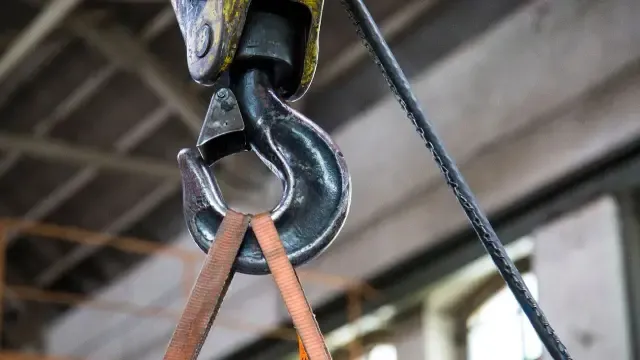
Inspection is essential for maintaining the reliability of lifting equipment. Before use, personnel should examine the chain, connecting components, hooks, links, and other parts for visible damage or unusual wear. Deformation, cracks, excessive stretching, corrosion, gouging, or other defects may indicate that equipment requires further evaluation. Regular inspections also help identify problems before they affect an active lifting operation. A consistent inspection process should be incorporated into workplace procedures so that equipment condition is considered before every applicable lifting task rather than only after an incident occurs.
Recognizing Signs of Wear
Wear can develop gradually when lifting equipment is repeatedly exposed to heavy loads, abrasion, impact, and difficult operating conditions. Changes in the shape or surface condition of chain links may indicate excessive wear or damage. Hooks and connecting components should also be checked for deformation or other irregularities. Personnel should understand the inspection criteria established for the equipment and workplace. Any component that appears questionable should be removed from service until it has been properly evaluated. Early identification of wear helps support safer operations and can prevent damaged equipment from being used unintentionally.
Selecting Suitable Connecting Components
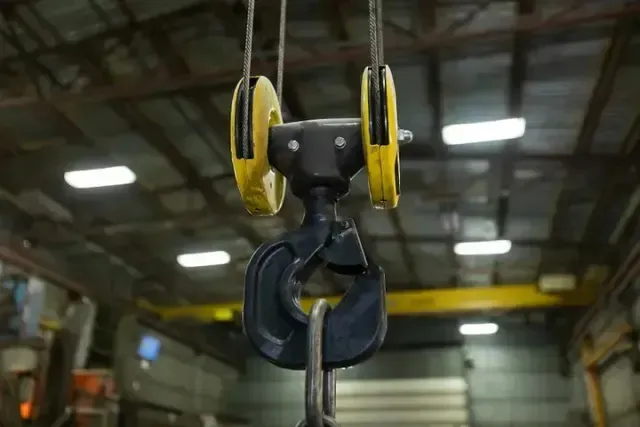
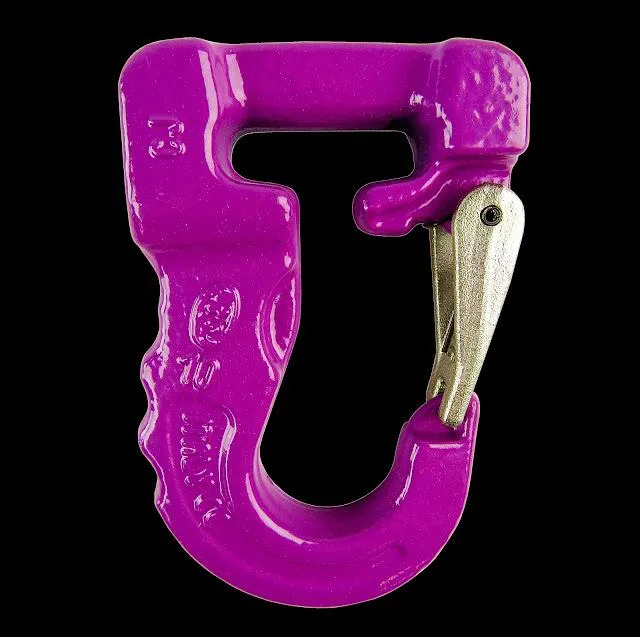
Connecting components play an important role in the overall performance of a lifting assembly. Hooks, master links, shackles, and other compatible components must have suitable capacities and dimensions for the intended configuration. Components should fit together correctly without creating side loading, twisting, or other unfavorable stresses. Compatibility is particularly important when multiple pieces of equipment are combined into one assembly. A properly selected connection system allows forces to transfer more predictably throughout the lifting arrangement. This supports better load control and reduces the likelihood of problems caused by mismatched or unsuitable components.
Considering Load Balance and Stability
Load balance should always be evaluated before lifting begins. A load that is unevenly distributed may shift when it leaves the ground, creating unexpected forces within the lifting assembly. Chain slings should be positioned so that the load remains as stable as possible during movement. Lifting points should be assessed for strength, location, and compatibility with the selected configuration. When necessary, additional planning may be required to determine the center of gravity. Proper attention to balance helps create smoother lifting operations and reduces unnecessary movement that could compromise load control.
Training and Proper Handling
Even high quality lifting equipment requires knowledgeable handling to perform safely. Personnel responsible for selecting, attaching, inspecting, and operating lifting equipment should understand applicable procedures and limitations. Training can help workers recognize capacity markings, identify damage, understand sling configurations, and avoid practices that may create excessive stress. Improper handling can damage chain links and connecting components even when the equipment is otherwise suitable for the application. A strong training program therefore complements equipment selection by ensuring that personnel understand how to use the selected equipment correctly.
Storage and Maintenance Practices
Proper storage can help protect lifting equipment between uses. Chain slings should be stored in conditions that reduce unnecessary exposure to moisture, corrosive substances, dirt, and physical damage. Equipment should not be left where vehicles, machinery, or other materials can strike or deform components. Organized storage also makes inspection easier because individual assemblies can be identified and accessed when needed. Routine maintenance should follow applicable recommendations and workplace procedures. Consistent care helps preserve equipment condition and supports longer service life when combined with appropriate inspection and responsible handling practices.
Choosing Equipment for Specific Applications
No single lifting assembly is suitable for every industrial application. Construction projects, manufacturing facilities, maintenance operations, transportation environments, and material handling activities can each present different requirements. Load weight, dimensions, lifting points, frequency of use, environmental exposure, and available equipment should all be considered before making a selection. Chain slings can be particularly useful where strength and durability are important, but their configuration must still match the application. A thoughtful selection process ensures that equipment is chosen based on actual operational requirements rather than convenience alone.
Supporting Safer Industrial Lifting
Safe lifting depends on more than selecting strong equipment. It requires proper planning, accurate capacity assessment, suitable configurations, regular inspections, trained personnel, and responsible handling practices. Chain slings can provide dependable support for many demanding lifting applications when they are selected and used according to their rated capabilities. Organizations that establish clear procedures for equipment selection and inspection can improve consistency across their lifting operations. Combining appropriate equipment with good safety practices helps reduce avoidable risks while supporting efficient material movement in challenging industrial environments.
Conclusion
Selecting the right lifting equipment requires careful evaluation of load requirements, sling configuration, capacity, environmental conditions, connections, inspection needs, and handling procedures. Chain slings can be a dependable option for many heavy duty applications when their capabilities match the demands of the task. Proper selection and responsible use can contribute to safer and more efficient lifting operations. Organizations seeking dependable lifting equipment and practical solutions can explore the available resources and product options provided by Lift-All Company, Inc. for industrial lifting and material handling needs.
























Sign in to leave a comment.