

Moving cargo safely requires more than securing an item with a single strap or attachment point. Different industries transport materials with distinct shapes, weights, surfaces, dimensions, and handling requirements, making a universal securing method unsuitable for every situation. Industry specific cargo control provides a structured approach that considers the characteristics of each load and the conditions surrounding its transportation. By selecting appropriate securing equipment and applying suitable procedures, businesses can reduce unwanted movement and improve load stability. Careful planning also helps workers recognize potential hazards before cargo begins moving through warehouses, work areas, roads, or distribution routes.
Understanding Industry Specific Cargo Control
Cargo control involves the equipment, methods, and procedures used to keep materials stable during transportation or handling. Industry specific approaches recognize that different sectors face different load securing challenges. Construction materials may require different arrangements from manufactured components, while machinery, packaged goods, and long materials can each create unique concerns. A suitable control strategy considers cargo weight, dimensions, shape, center of gravity, surface characteristics, and transportation conditions. When these factors are evaluated together, workers can select appropriate securing methods instead of relying on assumptions. This supports more consistent load preparation and helps reduce preventable movement during transit.
Why Every Load Requires Assessment
No two cargo loads are necessarily identical, even when they belong to the same general category. Variations in weight distribution, packaging, dimensions, and surface condition can change how an item behaves during transportation. Workers should therefore assess each load before choosing securing equipment. The assessment should identify possible movement in forward, backward, sideways, or vertical directions. It should also consider whether the cargo can roll, slide, tip, or shift when exposed to transportation forces. Evaluating these characteristics allows the securing arrangement to address actual risks rather than relying on a standard method that may not fit the load.
Considering Transportation Conditions
Cargo can experience changing forces during transportation, including acceleration, braking, cornering, vibration, and uneven surfaces. Weather and road conditions can create additional challenges for certain transportation activities. Industry specific control methods account for these circumstances when determining how cargo should be secured. Workers should consider the type of vehicle, journey conditions, cargo placement, and potential movement throughout the route. A securing arrangement that appears adequate while stationary may not remain effective when the vehicle begins moving. Planning for transportation forces therefore plays an important role in establishing a more reliable load securing system.
Choosing Suitable Securing Equipment
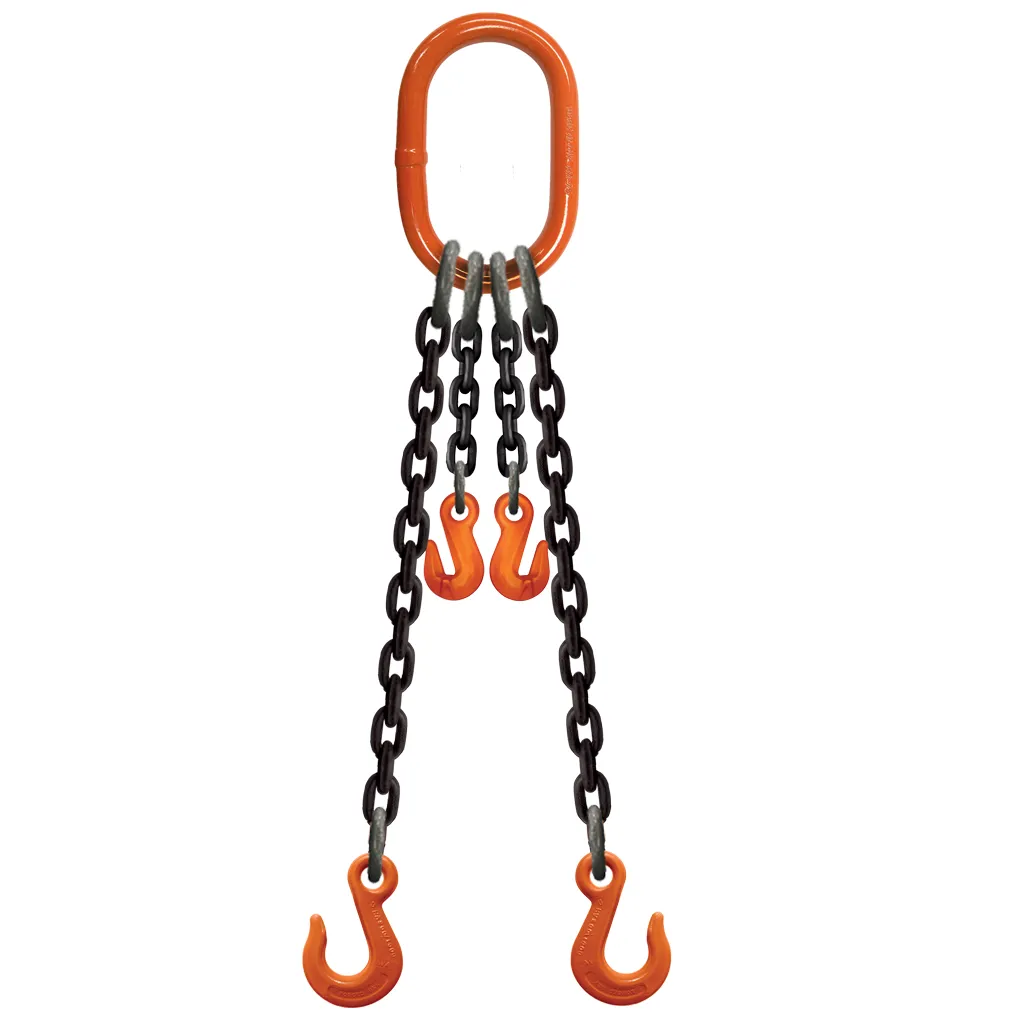
The selection of cargo control equipment should correspond with the characteristics of the load and the demands of the application. Straps, chains, nets, edge protection, anchor points, and other accessories can serve different purposes within a securing arrangement. Each component should have suitable capacity and compatibility for the intended task. Workers should examine equipment specifications before use and confirm that the chosen method can control the expected movement. Using more equipment does not automatically create better security. The arrangement must be correctly positioned and tensioned so that each component contributes appropriately to overall load stability.
Matching Equipment to Cargo Weight
Cargo weight is a fundamental consideration when selecting securing equipment. Workers need accurate information about the total load and should compare it with the applicable capacity of the selected securing components. Capacity should be evaluated according to the actual configuration and attachment method rather than based solely on the equipment's general rating. The securing points on the vehicle or transport platform should also be capable of supporting the intended forces. A properly rated component can still become unsuitable if it is connected to an inadequate anchor point. Evaluating the entire securing system helps create a more dependable arrangement.
Considering Cargo Shape and Surface
Cargo shape and surface characteristics can affect how easily an item can move during transportation. Smooth surfaces may encourage sliding, while rounded objects may roll if they are not appropriately restrained. Tall or irregular loads may have a greater tendency to shift or tip. Workers should identify these characteristics before deciding how the cargo should be positioned and secured. Protective materials may also be required where securing equipment contacts sensitive surfaces or sharp edges. Considering these details helps prevent both cargo movement and unnecessary damage to the load or securing equipment during transportation.
Improving Load Stability
Load stability begins with proper positioning before securing equipment is applied. Cargo should be arranged so that its weight is distributed appropriately across the available support surface and does not create an unstable arrangement. Heavy items may require placement that keeps the center of gravity within a suitable area of the transport platform. Workers should also consider whether gaps between items could allow movement during transit. Once the cargo is positioned, suitable securing equipment can be applied according to the planned method. A stable foundation makes the securing arrangement more effective and reduces unnecessary strain on individual components.
Controlling Forward Movement
Forward movement can become a concern when a vehicle slows suddenly or stops. Cargo may continue moving because of inertia, placing significant forces on securing equipment and attachment points. Workers should therefore consider the possibility of forward movement when arranging restraints. Suitable blocking, positioning, and securing methods can work together to reduce this risk. The specific method depends on the cargo and transportation system. Relying only on friction or a single restraint may not adequately control every load. A comprehensive approach helps ensure that the securing arrangement addresses the expected movement during transportation.
Controlling Sideways Movement
Sideways movement can occur during turns, uneven travel, sudden maneuvers, or changes in road conditions. Cargo with smooth surfaces or irregular shapes may be particularly difficult to control if it is not appropriately positioned. Workers should determine where lateral forces may develop and establish restraints capable of limiting movement in those directions. The placement of anchor points and securing equipment should support the intended restraint pattern. Checking the arrangement from different directions can help identify gaps in protection. This process encourages workers to think about the complete movement path rather than focusing on only one direction.
Supporting Different Industries
Different industries can benefit from cargo control methods designed around their particular transportation requirements. Construction operations may transport pipes, structural materials, tools, machinery, and packaged components. Manufacturing facilities may move finished products, fabricated assemblies, or equipment between locations. Agricultural activities can involve machinery, containers, materials, and irregular loads. Distribution operations may handle packaged goods with varying dimensions and weights. Each environment creates different securing challenges. Industry specific planning allows workers to consider the characteristics of frequently transported materials and establish procedures that are practical for their recurring operations.
Construction Applications
Construction transportation often involves materials that are long, heavy, irregular, or difficult to stabilize. Pipes, beams, panels, machinery, and equipment can require different securing arrangements depending on their dimensions and center of gravity. Workers should evaluate how each item can shift during acceleration, braking, turning, or vibration. Appropriate restraints should be selected based on load characteristics and the available attachment points. Protective measures may also be needed to prevent straps or other equipment from contacting sharp edges. A planned construction cargo control process helps crews prepare loads consistently before vehicles leave the worksite.
Manufacturing Applications
Manufacturing operations may involve transporting components between production areas, warehouses, suppliers, and customers. Finished products can vary considerably in shape and packaging, requiring securing methods that protect both the cargo and the transportation system. Workers should evaluate whether packaging provides sufficient stability or whether additional restraints are necessary. Delicate surfaces may require protective materials, while heavy machinery may require more robust attachment arrangements. A documented approach can help manufacturing teams prepare similar loads consistently. This reduces reliance on individual assumptions and creates clearer expectations for workers responsible for cargo preparation and transportation.
Inspecting Cargo Control Equipment
Securing equipment should be inspected before use to ensure that it remains suitable for the intended application. Workers should examine straps, chains, hooks, fittings, anchor points, and other components for damage or deterioration. Depending on the equipment type, concerns may include cuts, abrasion, fraying, deformation, corrosion, damaged stitching, broken components, or weakened connection points. Identification markings and capacity information should also remain readable where applicable. Equipment with questionable condition should not be used until it has been evaluated according to established procedures. Routine inspection helps identify problems before equipment is subjected to transportation forces.
Checking Straps and Restraints
Straps should be examined for visible damage that could affect their ability to secure cargo. Cuts, excessive abrasion, fraying, heat damage, damaged stitching, or chemical deterioration may indicate that a strap requires removal from service. Hardware attached to the strap should also be inspected because a damaged fitting can compromise the entire arrangement. Workers should avoid using damaged equipment simply because the cargo appears light. The securing system must remain suitable for the actual conditions. Careful inspection before each application helps prevent equipment with obvious defects from becoming part of a transportation operation.
Inspecting Anchor Points
Anchor points provide the connection between securing equipment and the transport platform, making their condition important to overall load security. Workers should inspect anchor points for deformation, corrosion, cracks, looseness, or other signs of deterioration. The capacity of the anchor point should also be appropriate for the forces expected during transportation. A high capacity restraint cannot compensate for an unsuitable attachment location. Before securing cargo, workers should confirm that the connection points are structurally suitable and properly positioned. This helps ensure that the restraint system works as an integrated arrangement rather than a collection of unrelated components.
Proper Tensioning Practices
Correct tension is essential when using straps or similar restraint equipment. Insufficient tension may allow cargo to move, while excessive tension can damage the cargo, equipment, or attachment points. Workers should follow the equipment's specified operating instructions and apply tension appropriate to the securing method. The restraint should remain correctly positioned after tensioning and should not contact surfaces that could cause unnecessary damage. Workers should also recheck the arrangement before transportation begins. Proper tensioning supports stable contact and allows the securing equipment to perform its intended function without creating avoidable stresses.
Using Protective Measures
Protective materials can help prevent securing equipment from being damaged by sharp corners, abrasive surfaces, or other challenging contact points. They may also protect cargo surfaces from marks or pressure caused by restraints. The selected protection should remain properly positioned during transportation and should be suitable for the application. Workers should not assume that any available material provides adequate protection. The potential movement of the cargo and restraint should be considered when placing protective equipment. Proper protection can help maintain restraint condition while reducing the likelihood of damage to valuable or sensitive cargo.
Training Workers for Better Load Security
Effective cargo control depends on workers understanding both equipment and procedures. Training should cover load assessment, equipment selection, inspection, positioning, tensioning, attachment, and final checks. Workers should understand why different cargo types require different securing approaches and should know how to identify unsuitable equipment. Practical training can reinforce the correct use of restraints and help employees recognize common mistakes. Supervisors can support consistency by providing clear procedures and monitoring recurring activities. A knowledgeable workforce is better positioned to identify potential problems before transportation begins, helping establish a stronger load security process.
Establishing Final Checks
A final inspection provides an important opportunity to verify the complete securing arrangement before movement. Workers should examine whether restraints are correctly positioned, connections are properly engaged, tension is appropriate, and cargo remains stable. They should also confirm that equipment does not create unnecessary contact with vulnerable surfaces. The vehicle or transport platform should be checked for conditions that could interfere with the securing system. If anything appears unsuitable, the load should be reassessed before departure. A final check takes relatively little time but can identify issues that might otherwise become significant during transportation.
Maintaining Consistent Procedures
Written cargo control procedures can help organizations establish consistent expectations for recurring transportation activities. Procedures may identify common cargo categories, appropriate equipment, inspection steps, securing methods, and responsibilities. They should remain flexible enough to address unusual loads because not every shipment will match a standard category. Workers should be encouraged to stop and reassess situations that fall outside established procedures. Regular reviews can also identify opportunities to improve equipment selection or handling methods. Consistency helps reduce uncertainty while allowing workers to apply appropriate judgment when cargo characteristics or transportation conditions change.
Conclusion
Industry specific cargo control can improve load safety by matching securing practices with the actual characteristics of transported materials and the conditions surrounding each journey. Careful assessment of weight, shape, surface, center of gravity, transportation forces, attachment points, and equipment condition helps workers develop more suitable securing arrangements. Inspection, proper tensioning, protective measures, training, and final checks further support dependable load preparation. No single restraint method works for every cargo type, so informed selection remains essential. Lift-All Company, Inc. recognizes the value of thoughtful cargo control practices in supporting safer, more organized, and reliable material transportation.





















Sign in to leave a comment.