
When oral pain shows up as silence, agitation, or missed meals
I can distinctly recall the moment when a nurse pulled me aside in an assisted living community and whispered, “He hasn’t eaten properly in days, but he won’t tell us why.”
The resident wasn’t “acting out.”
He wasn’t being difficult.
He had a tooth infection and no way to get to a dental office.
This is the reality inside many senior communities. Oral pain rarely announces itself loudly. It shows up quietly, through weight loss, confusion, withdrawn behavior, and sometimes preventable hospital visits. In 2026, as seniors live longer and care needs grow more complex, ignoring oral health is no longer an option. This is exactly why assisted living dental care and memory care dentistry must be built into everyday care, not treated as an afterthought.
Enable Dental exists because seniors deserve better.
Why traditional dental care breaks down inside senior communities
The gap that families and caregivers feel every day.
Most dental offices were never designed for residents who use walkers, wheelchairs, or need memory support. Transportation alone becomes a medical risk. Add to it confusion, anxiety, and unfamiliar surroundings, and even a simple cleaning can turn traumatic.
Families feel stuck.
Care teams feel overwhelmed.
Residents pay the price.
This is where senior dental services need to look different. We cannot expect vulnerable adults to adapt to systems that were never really built for them or their needs.
What the data confirms
The CDC reports that nearly 1 in 5 adults over 65 has untreated tooth decay, with a higher risk among those in long-term care settings. Untreated oral disease increases the chance of infection, malnutrition, and avoidable emergency care.
The World Health Organization reinforces this concern strongly, noting that oral diseases affect billions globally and hit older adults the hardest due to access barriers and medical complexity.
These are not small issues. They are quality-of-life issues. They are safety issues.
What happens when care stays off-site
I have seen residents miss multiple dental appointments simply because transport fell through. And also seen what happens when care comes to them instead. It results in calmer visits, better cooperation, earlier diagnosis, and fewer emergencies.
That makes the distinction that truly matters.
Bringing the dental office directly to the resident
What on-site dental care actually means
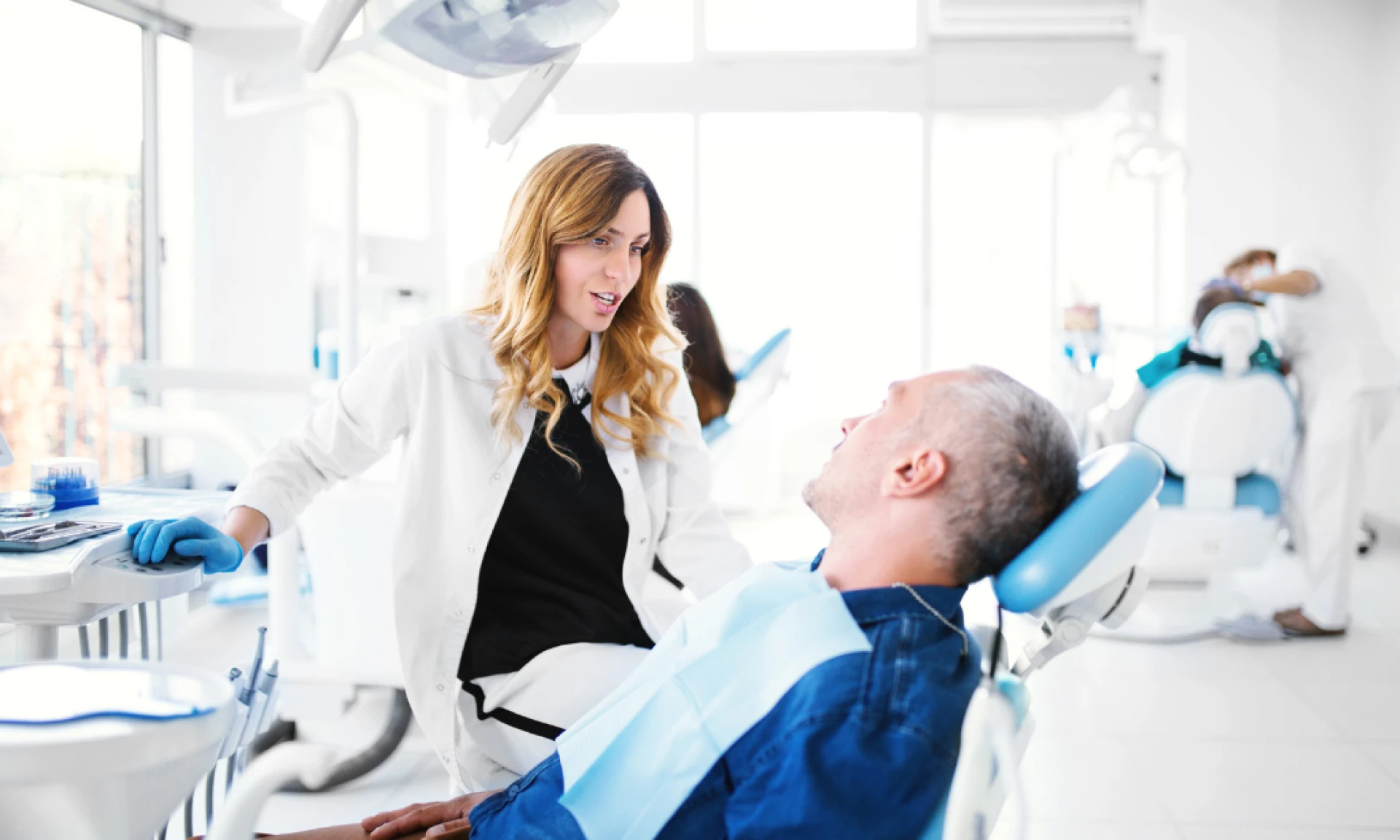
On-site dental care means the dental team comes to the resident, not the other way around. Enable Dental brings a complete portable dental operatory into assisted living and memory care communities.
That includes:
- Portable dental chairs
- Low-dose digital X-rays
- Handheld instruments
- Mobile dental units
Care happens in apartments, common areas, or at the bedside when it is needed.
This is not “light dentistry.” It is the dentistry that is delivered safely and respectfully.
Why familiar surroundings change everything
For residents living with dementia, routine matters as it provides a sense of safety. A familiar room lowers anxiety. Familiar caregivers build trust. This is the heart of effective memory care dentistry.
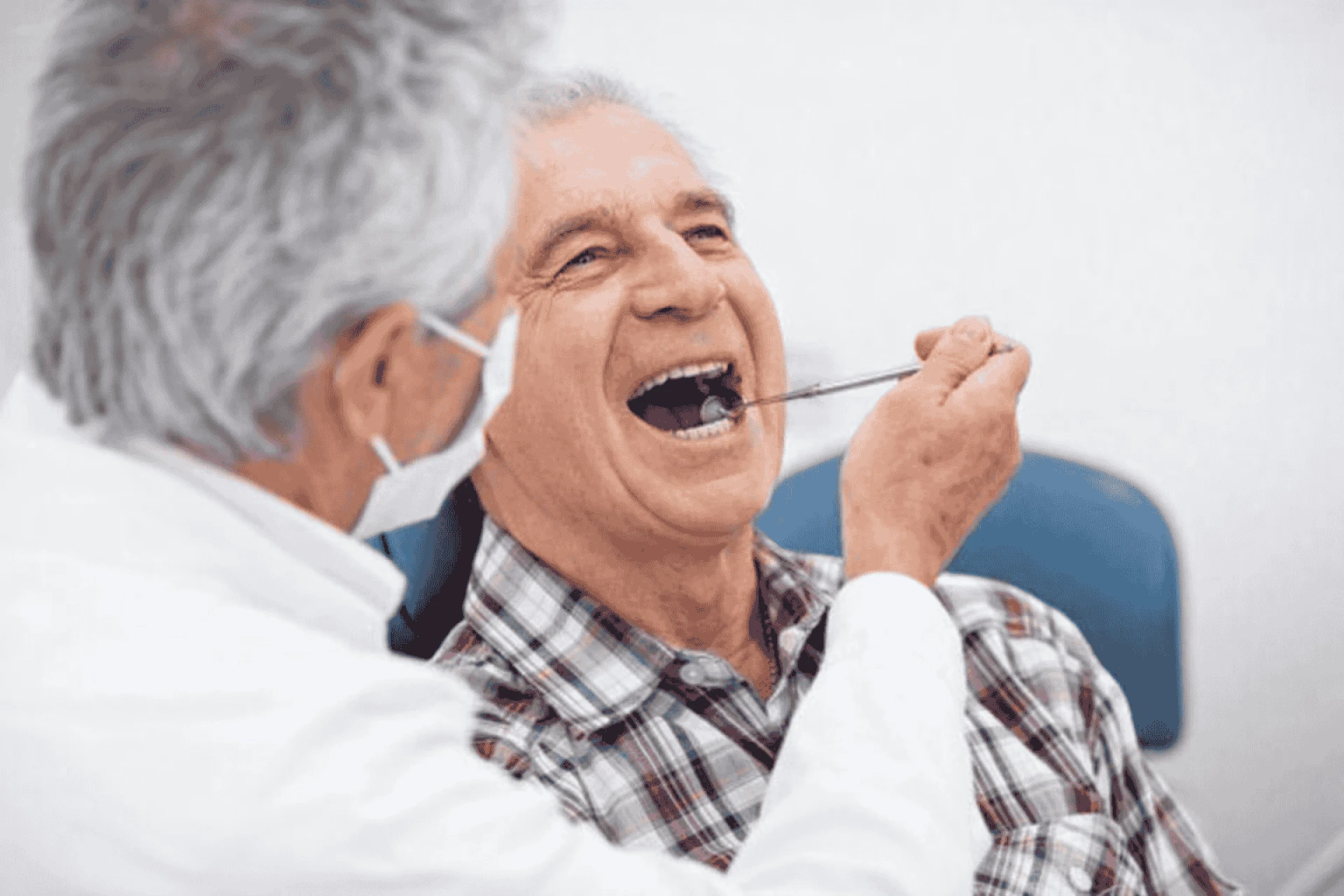
I have seen residents who resisted care in clinics but have calmly accepted treatment when they were in their own space of comfort. That shift isn't coincidence, but the result of care designed around comfort, dignity, and understanding.
The outcome that makes a difference
When dental care feels safe, residents cooperate more. When residents cooperate, clinicians can diagnose earlier. When we diagnose earlier, we prevent pain and infection.
That is how dignity stays intact.
The full scope of care seniors actually need
What Enable Dental provides on-site
Enable Dental delivers comprehensive senior dental services, including:
- Dental exams
- Cleanings and hygiene therapy
- Digital X-rays
- Fillings
- Extractions
- Crowns and bridges
- Root canals
- Dentures and partials
- Night guards and preventive devices
A root canal means cleaning out the infection inside the tooth to stop pain and avoid losing the tooth. It is careful, focused care, not something to fear.
Why preventive visits matter more than emergencies
The National Institute on Aging links poor oral health in seniors to aspiration pneumonia, nutritional decline, and systemic inflammation. Those risks grow when dental care happens only during emergencies.
Routine assisted living dental care catches problems early. It reduces hospital transfers. It protects overall health.
This is about prevention, not reaction.
Coordinated care that supports the whole care team
How dental care affects caregiver stress
Dental appointments affect more than just residents. They shape staff schedules, influence family stress, and impact overall care plans.
Enable Dental works closely with nursing teams and families to align treatment with each resident’s medical history. Communication continues to stay clear and timely, so no one is left guessing.
This level of coordination eases stress for everyone involved and allows care teams to focus on what matters most: the resident.
What caregivers no longer have to manage
When on-site dental care turns routine, caregivers no longer need to:
- Arrange transportation
- Escort residents off-site
- Manage post-appointment confusion
- Handle missed or delayed care
Time goes back to caregiving, where it belongs.
Why does this support professional responsibility?
Healthcare works best when disciplines collaborate. Oral health is health. Dental care belongs at the table.
Advancing health equity through access and respect
The population that is most often overlooked
Seniors with cognitive impairment, mobility difficulties, or complex medical needs face the greatest barriers to care. They also suffer the consequences most severely.
Enable Dental’s mission centers on health equity. Access should not depend on mobility, memory, or family availability.
What equity looks like in practice
Equity means
- Consistent dental access
- Care plans that are personalised
- Respect for patient history and preferences
- Clinical excellence delivered with compassion
That is what ethical memory care dentistry looks like.
The change I have seen firsthand
I have watched residents regain comfort, start eating again, and re-engage socially once their oral pain has been resolved. Those moments do not show up on charts, but they do matter so much.
They are an indication of why we do this work.
What families and care leaders can do today
A simple checklist for better senior oral health:
- Ask if your community offers on-site dental care.
- Prioritize preventive dental visits, not just emergencies.
- Choose providers experienced in assisted living dental care.
- Ensure dental records integrate with medical history.
- Advocate for routine oral health assessments.
These steps protect safety, dignity, and quality of life.
The responsibility we must take forward
Dental care for seniors is about more than teeth. It is about comfort, nutrition, communication, and human dignity.
As our population ages, we must stop asking vulnerable adults to fit broken systems. We must bring care to where life already happens.
Enable Dental shows us what is possible when clinical excellence combines with compassion, and when senior dental services become part of everyday care.
The real question is this:
If we know oral health affects safety, equity, and quality of life, how can we afford not to act?
For ourselves.
For our families.
For the seniors who trusted us to care well.


























Sign in to leave a comment.