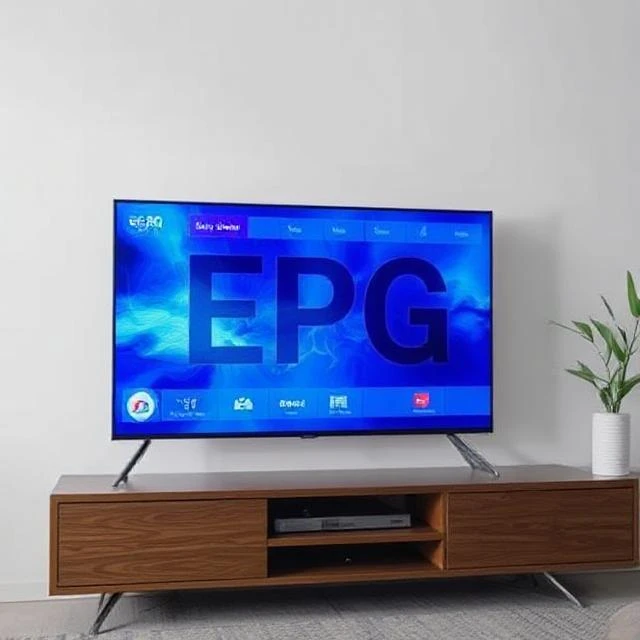

Television isn’t what it used to be—and thank goodness for that. With so many ways to watch and so much content to explore, viewers now expect a seamless, personalized, and interactive experience. This is where EPGs (Electronic Program Guides) come in—and more specifically, where the role of an Electronic Program Guide provider becomes crucial.
These providers have moved far beyond the days of simple schedule listings. They’re now empowering interactive television that lets users discover, engage, and even interact with content in real time. Let’s break down how EPG providers are driving this evolution and what it means for you, whether you’re a content creator, broadcaster, or just a fan of smarter TV.
What Does an EPG Actually Do?
At its core, an EPG (Electronic Program Guide) shows viewers what’s airing and when. But it has evolved into so much more than that.
Modern EPGs provide:
- Program titles and descriptions
- Cast and crew info
- Episode details
- Content ratings and genres
- Interactive navigation and search
- Seamless integration with streaming platforms
In short, the EPG is the bridge between the viewer and a world of content.
From Passive to Interactive: The Evolution of EPGs
Gone are the days of scrolling endlessly through channels. Today’s guides are powered by smart technology that allows viewers to:
- Set reminders or alerts
- Schedule recordings
- View trailers and extra content
- Rate and recommend shows
- Get AI-based suggestions
And behind it all is an Electronic Program Guide provider, ensuring everything is synced, accurate, and responsive.
How EPG Providers Are Enabling Interactive Features
1. Rich Metadata for Deeper Engagement
An EPG isn’t useful if it’s just a list of titles. Today’s guides offer rich metadata—think cast bios, episode recaps, trailers, and even social media integration. This makes content easier to discover and more engaging.
2. Multi-Platform Access
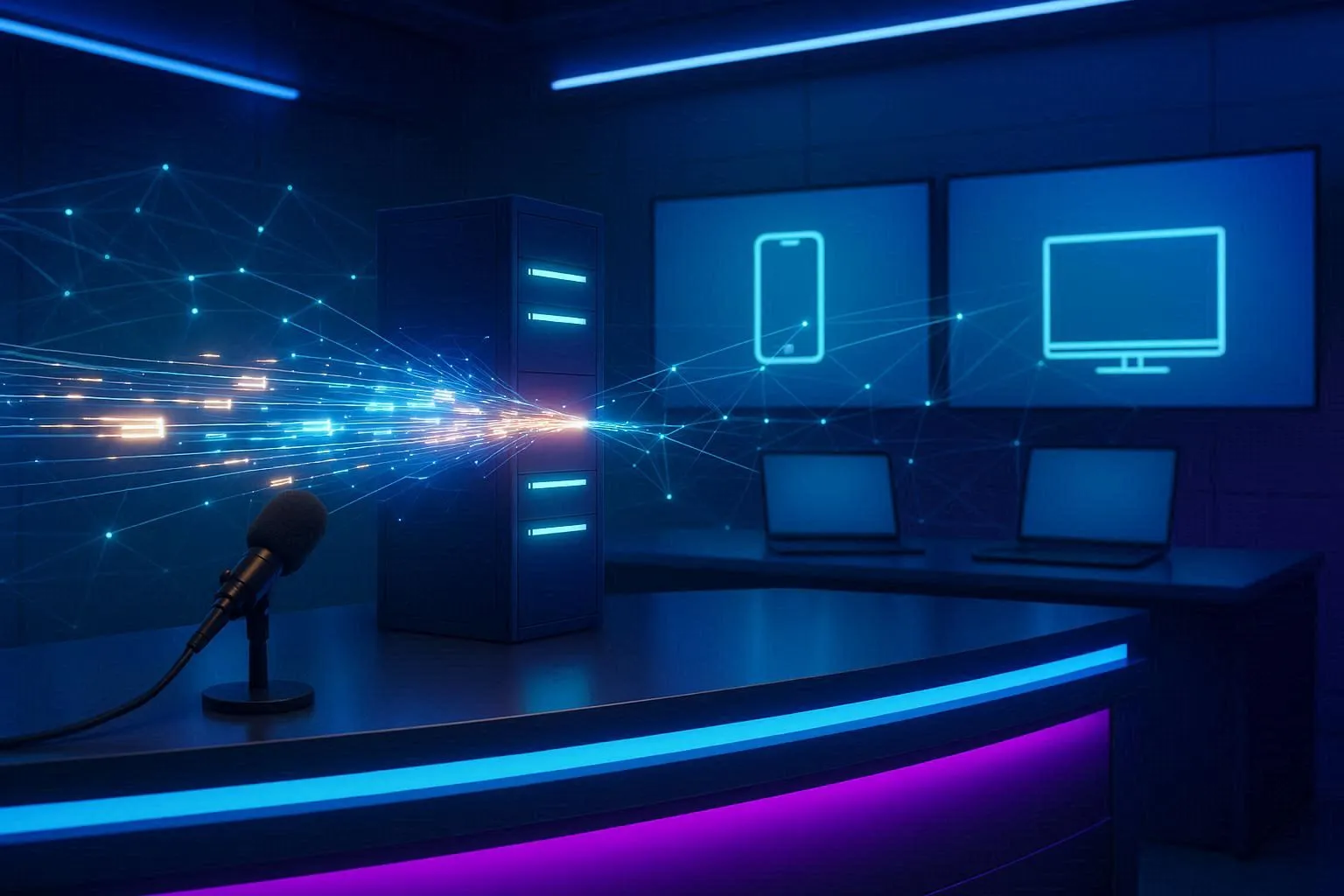
You’re not just watching TV on a TV anymore. You’ve got smartphones, tablets, laptops, and smart TVs—all of which need to display an EPG that works flawlessly.
A solid Electronic Program Guide provider delivers consistent experiences across all platforms and screen sizes.
3. Personalized Viewing Suggestions
Using AI and viewer behavior analytics, EPGs can now suggest programs based on your watching habits. Prefer crime dramas on Friday nights? Expect your guide to start offering recommendations that hit your taste perfectly.
4. Real-Time Interactivity
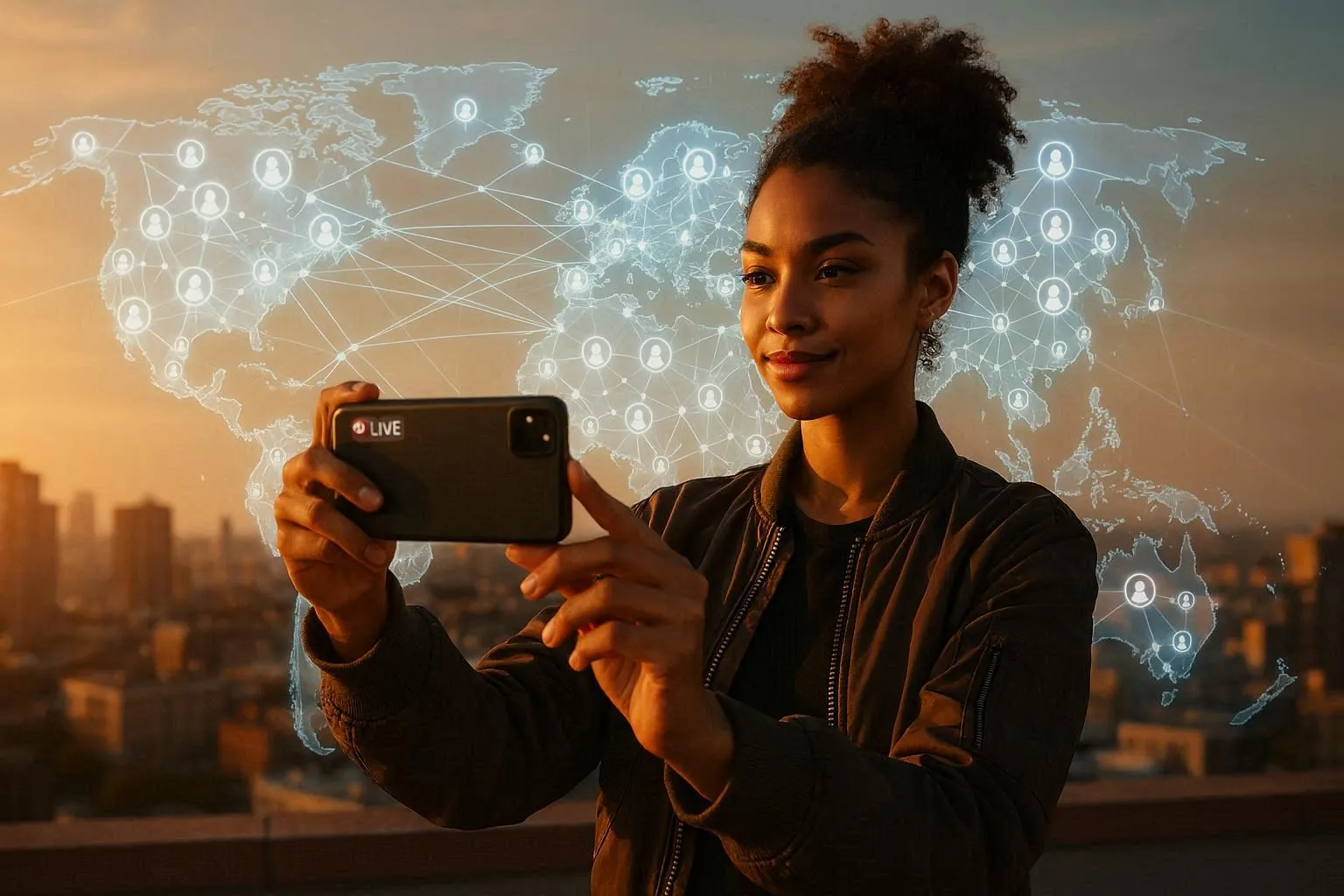
Want to vote in a reality show, answer a quiz, or even chat with fans while watching a live stream? EPGs now allow for these real-time features, turning viewers into participants.
Why This Matters for Broadcasters and Viewers
For broadcasters:
- Interactive EPGs mean better content visibility.
- Viewers stay engaged longer, especially when the experience is personalized.
- It opens up new ad revenue opportunities through targeted promotions and interactive campaigns.
For viewers:
- Less time searching, more time watching.
- Tailored suggestions make binge-watching even better.
- Multi-screen support makes content available anywhere, anytime.
Top Names in the EPG Game
There are several companies shaping the future of digital guides, including:
- Gracenote – Offers deep metadata and intelligent recommendations.
- Xperi (TiVo/Rovi) – Combines guide services with targeted advertising.
- EBS – Known for flexible EPG solutions, particularly for FAST and OTT services.
Every Electronic Program Guide provider in this space is investing in personalization, cross-platform integration, and new ways to make watching TV interactive and immersive.
Conclusion
Whether you’re tuning in live or catching up on-demand, the modern TV experience revolves around ease, personalization, and interactivity. And none of that would be possible without a forward-thinking Electronic Program Guide provider working behind the scenes.
So the next time you effortlessly find the perfect show to watch—or set a recording with one click—know that there’s some serious tech making that possible. EPGs have officially evolved from helpful tools to essential components of the digital viewing age.
























Sign in to leave a comment.