

An air conditioning system does more than just regulate temperature—it plays a pivotal role in managing power consumption. When an AC unit isn't functioning optimally, it pulls excessive electricity, leading to soaring utility expenses and placing undue stress on vital components. Skilled AC repair ensures that every element of the system operates precisely, preventing energy loss. Well-serviced cooling systems have extended lifespans, deliver superior performance, and substantially cut energy expenditures.
Why AC Repair Lowers Energy Consumption
A struggling AC system can draw significantly more electricity than necessary. A deteriorating compressor, obstructed filters, or leaking ductwork forces the unit to overcompensate, driving up energy use. An experienced technician can identify and correct inefficiencies to restore peak operation.
- Preventative maintenance can decrease energy use by up to 15% (U.S. Department of Energy).
- Replacing aging components stops unnecessary power drain.
- A finely tuned system evenly distributes cooled air throughout a space.
Resolving Airflow Issues for Greater Efficiency
Restricted airflow forces an AC unit to exert more effort, consuming excess energy while providing inadequate cooling. Blocked vents, congested filters, and obstructed ductwork restrict circulation. Expert repairs and thorough cleanings optimize efficiency by ensuring air moves effortlessly throughout the system.
- Unclogged air filters facilitate steady airflow and lower energy usage.
- Unobstructed vents ensure uniform air distribution across rooms.
- Comprehensive duct cleaning removes debris impeding airflow.
Refrigerant Management and AC Performance
Insufficient refrigerant levels compromise an AC unit’s ability to maintain optimal cooling, causing the system to exert more effort to achieve target temperatures. Leaks not only degrade efficiency but also pose environmental hazards. Certified specialists locate and resolve leaks, curbing excessive power consumption.
- Proper refrigerant levels sustain peak cooling performance.
- Leak detection and repair mitigate ongoing energy waste.
- Correct refrigerant handling alleviates compressor strain.
Coil Maintenance and Power Efficiency
Evaporator and condenser coils accumulate grime and debris over time, impeding their ability to transfer heat efficiently. This forces the AC system to operate longer cycles, elevating energy consumption. Professional cleaning restores heat exchange effectiveness, lowering power usage.
- Clean coils boost energy efficiency by ensuring seamless heat dissipation.
- Routine maintenance minimizes excessive cooling expenses.
- Properly maintained coils extend the life of essential AC parts.
Thermostat Calibration and System Efficiency
An incorrectly calibrated thermostat can trigger excessive cycling, leading to unnecessary power consumption. Professional recalibration guarantees precise temperature control, improving efficiency and indoor comfort. Smart thermostat integration further optimizes energy savings by fine-tuning cooling schedules.
- Proper calibration eliminates overcooling and short cycling.
- Smart thermostats enhance precision temperature control.
- Adjusted settings ensure maximum energy-efficient operation.
Addressing Electrical Failures That Waste Power
Worn-out electrical components, such as aging capacitors or faulty relays, disrupt consistent performance. These minor malfunctions cause the system to function inefficiently, draining excess energy. A trained specialist detects and replaces defective electrical parts, restoring energy efficiency.
- Replacing worn capacitors stabilizes electrical flow.
- Fixing faulty wiring prevents irregular power consumption.
- Regular electrical upkeep safeguards system longevity.
Ductwork Repairs and Energy Conservation
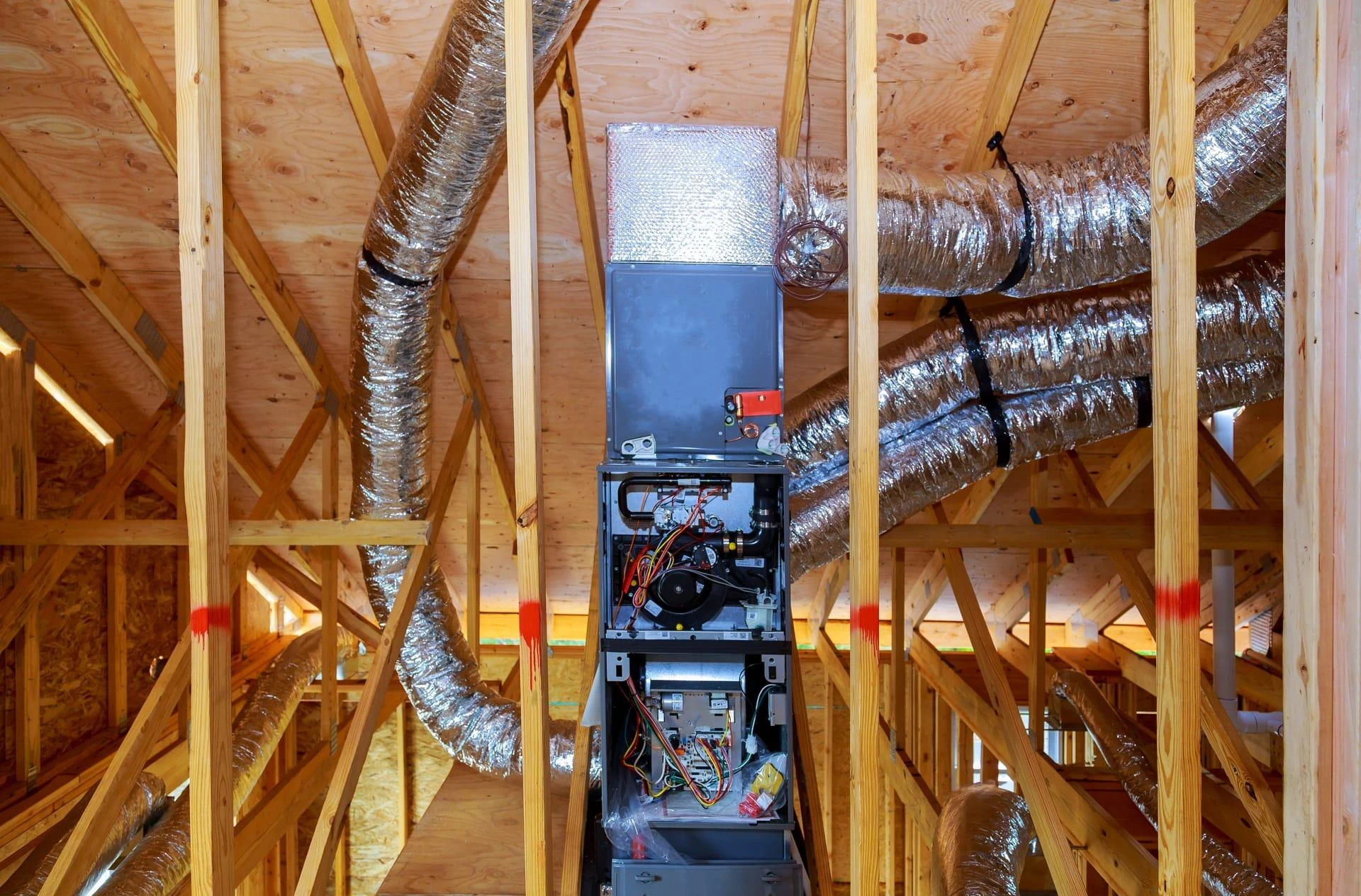
Cracked or disconnected ductwork allows conditioned air to escape before it reaches its intended destination, compelling the AC system to overwork. Sealing and insulating ducts significantly enhance cooling efficiency while preserving energy. Professional assessments identify and correct structural deficiencies in duct systems.
- Sealing leaks optimizes cooling effectiveness.
- Insulated ducts prevent temperature loss in unregulated areas.
- Well-maintained ductwork ensures steady airflow distribution.
Key Insights on AC Repair and Energy Savings
Expert AC repair directly influences a system’s energy consumption. Regular servicing ensures every component operates at peak efficiency, avoiding excessive power usage and costly utility bills.
- Routine upkeep minimizes unnecessary energy demand.
- Balanced refrigerant levels and clean coils enhance efficiency.
- Addressing airflow blockages and duct leaks optimizes cooling performance.
Frequently Asked Questions About AC Repair and Energy Conservation
1. How much electricity does an inefficient AC unit consume?
A malfunctioning AC system may use up to 30% more electricity due to inefficiencies such as clogged filters, refrigerant leaks, and electrical faults.
2. Can professional AC repair significantly lower utility expenses?
Yes, fixing airflow problems, refrigerant leaks, and dirty coils reduces power consumption, leading to noticeable reductions in monthly bills.
3. How frequently should an AC unit receive maintenance to maximize efficiency?
Annual maintenance is advised, with additional inspections before high-demand cooling seasons to ensure peak performance.
4. What are the leading AC issues that drive up energy use?
Blocked filters, refrigerant deficiencies, damaged ductwork, and failing electrical parts contribute to excessive energy consumption.
5. Does upgrading components improve AC efficiency?
Yes, replacing outdated elements such as thermostats, capacitors, and coils boosts performance and prevents unnecessary power usage.




































Sign in to leave a comment.