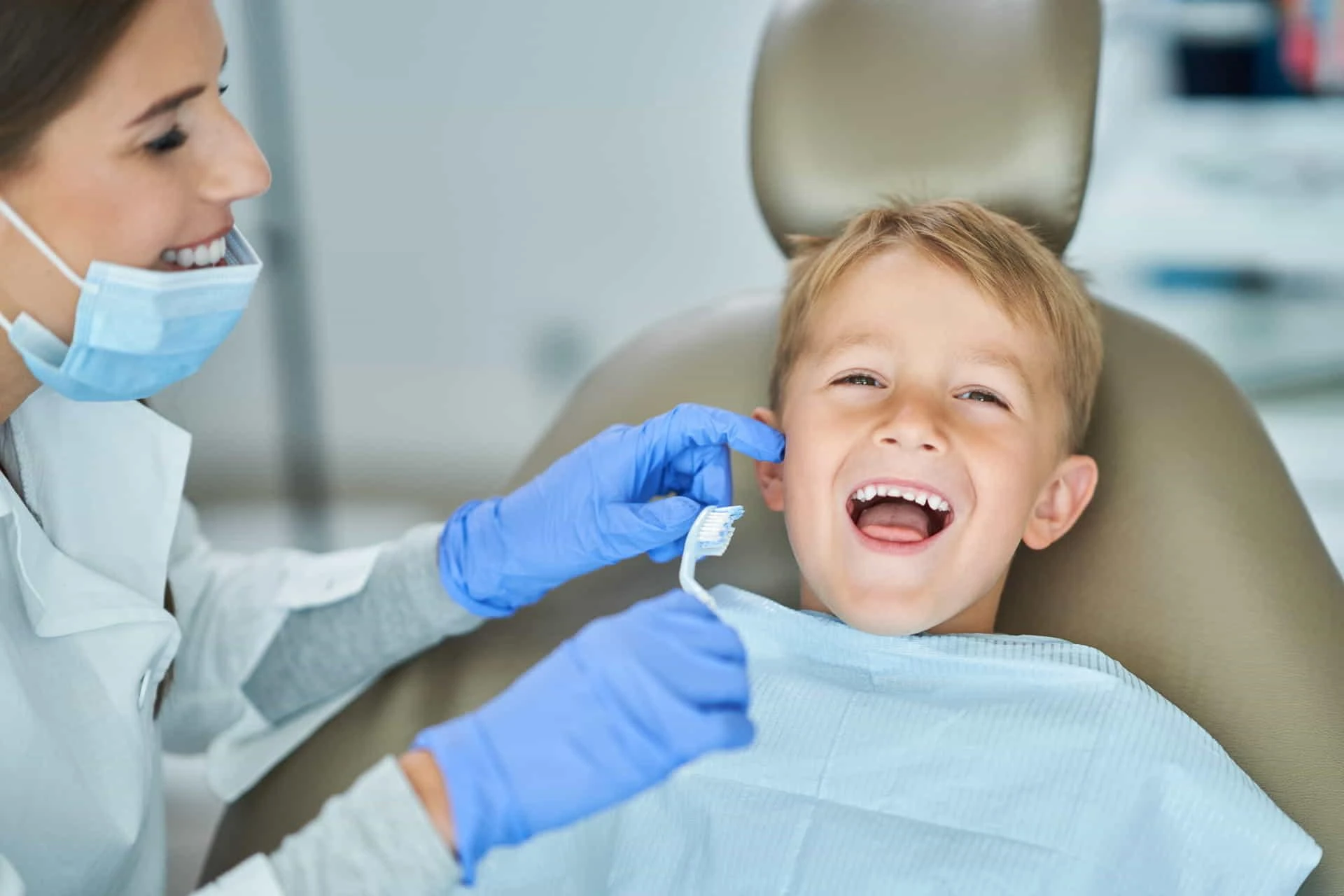

Children's teeth demand specialized care to stay resilient and cavity-free, yet many guardians underestimate the necessity of regular dental visits. Skipping cleanings can result in significant complications, including tooth decay and gum infections, which might progress unnoticed. A pediatric dentist prioritizes preventive techniques that protect growing teeth, ensuring children avoid complex procedures later in life.
Routine cleanings are fundamental for safeguarding children’s oral health and fostering responsible hygiene habits. As a pediatric dentist in Slidell since 2001, Dr. Jason Parker, explains “Regular dental visits give us the chance to spot tiny changes long before they turn into painful problems. When children are seen consistently, preventive care becomes second nature, and that early attention helps protect their teeth as they grow.”
Why Children Benefit from Regular Dental Cleanings
A toddler encountering their initial dental cleaning may feel uneasy, but a compassionate, skilled pediatric dentist ensures the experience is reassuring. A child who consistently undergoes professional cleanings has a far lower risk of cavities since early intervention prevents minor concerns from worsening. Dental plaque accumulates swiftly, and if left unaddressed, bacteria can erode enamel, leading to decay and potential infections.
- Professional cleanings eliminate stubborn plaque and hardened tartar that brushing alone cannot remove.
- Gum health significantly improves with deep cleaning, reducing the chances of early-stage periodontal issues.
- A pediatric dentist can identify early warning signs of bite misalignment or other developmental dental issues.
How a Pediatric Dentist Conducts Thorough Cleanings
A routine cleaning involves much more than simple plaque removal; it is a meticulous process designed to fortify enamel and promote gum stability. A pediatric dentist begins with a thorough evaluation of the gums and teeth, checking for any inflammation, discoloration, or potential decay. A hygienist then carefully removes plaque and tartar buildup using precision tools, followed by polishing teeth with a smooth, child-appropriate paste.
- Fluoride treatments strengthen enamel, lowering the risk of cavities.
- Specialized dental tools target hidden areas where plaque tends to accumulate.
- A final rinse washes away lingering debris, leaving teeth refreshed and smooth.
Ideal Timing for Pediatric Dental Cleanings
Many caregivers question how frequently their child should visit a pediatric dentist for a cleaning. The American Academy of Pediatric Dentistry (AAPD) advises biannual appointments, though children with a heightened cavity risk may require additional care. Early and consistent checkups enable dentists to identify minor issues before they develop into serious conditions, preventing the need for extensive treatments.
- Infants should see a pediatric dentist by their first birthday or once their first tooth emerges.
- Children with orthodontic devices may require more frequent cleanings to prevent plaque accumulation.
- Those prone to cavities benefit immensely from fluoride treatments during routine cleanings.
Long-Term Benefits of Routine Cleanings for Children
A well-maintained mouth offers far more than cavity prevention. Children who attend regular dental visits develop better oral hygiene habits that carry into adulthood. Routine cleanings familiarize kids with a dental environment, reducing anxiety and ensuring smoother future visits.
- Consistent professional cleanings reinforce the importance of proper brushing and flossing.
- Early detection of cavities prevents the need for extensive dental work and discomfort.
- A trusting relationship with a pediatric dentist encourages long-term dental health awareness.
How to Help Kids Feel Comfortable for Dental Visits
Dental appointments don’t have to be stressful, especially when children feel prepared. Caregivers can set an encouraging tone by explaining the process in an age-appropriate way. Reading engaging books about dental visits or playing pretend "dentist" at home helps young children become familiar with the experience before their appointment.
- Encourage curiosity by allowing children to ask questions about their upcoming visit.
- Use supportive and upbeat language when discussing dental cleanings to ease anxiety.
- Arrive early to create a relaxed environment and help children adjust to the setting.

Essential Insights on Pediatric Dental Cleanings
Routine cleanings with a pediatric dentist are fundamental for preserving a child’s oral health. Preventing cavities, reinforcing positive hygiene routines, and ensuring gum stability all contribute to a lifetime of healthy teeth. Caregivers who prioritize regular dental checkups provide their children with a brighter future, minimizing the chances of preventable dental issues.
- Children should visit a pediatric dentist every six months for thorough cleanings.
- Professional cleanings remove stubborn plaque and tartar that daily brushing may miss.
- Establishing a positive dental routine early prevents long-term dental anxiety.
Frequently Asked Questions About Pediatric Dental Cleanings
How can I determine if my child needs more frequent cleanings?
If a child frequently develops cavities, wears orthodontic devices, or shows early signs of gum inflammation, a pediatric dentist may recommend more frequent visits to maintain optimal oral health.
Are pediatric dental cleanings uncomfortable for children?
Most children experience minimal discomfort during a cleaning. A pediatric dentist utilizes gentle methods and child-friendly tools to ensure a stress-free experience.
What happens if my child resists cooperation during the cleaning?
Many pediatric dental offices use techniques to help apprehensive children feel comfortable. Distractions, clear explanations, and a calm environment contribute to a smoother experience.
Will my dental insurance cover pediatric cleanings?
Many insurance policies cover preventative cleanings for children, though specific coverage varies. Verifying details with the provider before an appointment helps prevent unexpected costs.
Can cavities in baby teeth affect permanent teeth?
Yes, decay in primary teeth can lead to pain and impact the development of adult teeth. A pediatric dentist focuses on early prevention to safeguard both baby and permanent teeth.





































Sign in to leave a comment.