

Windshield damage occurs when least anticipated. A pebble strikes the glass on the freeway, temperature fluctuations trigger stress fractures, or a sudden impact results in a small chip. While windshield repair can address various types of damage, it is not a universal remedy. Identifying which damage can be repaired and when full replacement is necessary enables drivers to make educated choices regarding safety and expenses.
Types of Windshield Damage That Can Be Repaired
A minor rock chip appeared on a windshield last week. The vehicle owner promptly sought professional repair, preventing the crack from spreading into a larger fracture. Quick intervention like this conserves money and averts major complications. Windshield repair can restore specific types of damage, but only under defined conditions.
- Chips smaller than a dime are typically repairable if they remain isolated.
- Cracks under four inches in length can frequently be stabilized before they extend.
- Damage confined to the outer layer of laminated glass is generally fixable.
Small Windshield Chips and Repair Feasibility
A chip may appear insignificant, but it jeopardizes a windshield’s durability. Repairing a minor chip fortifies the glass, diminishing the risk of additional deterioration. Not all chips have the same impact, and their depth and placement influence whether repair is possible.
- Bullseye chips, circular fractures, can often be effectively repaired.
- Crescent-shaped half-moon chips respond well to professional treatments.
- Star breaks featuring multiple tiny cracks may be repairable if treated swiftly.
Cracks That Can Be Successfully Fixed
A small windshield crack left unaddressed may expand across the entire windshield. Once a crack extends beyond a specific length, repair becomes unfeasible. Professional windshield repair can prevent a crack from worsening, but the feasibility depends on multiple factors.
- Cracks shorter than four inches can usually be repaired if treated immediately.
- Thin hairline cracks that haven’t branched into multiple fractures may be stabilized.
- Cracks positioned away from the windshield’s edge have a better chance of successful repair.
Prompt Windshield Repair Prevents More Extensive Issues
Neglecting windshield repair allows minor defects to escalate. Weather variations, continuous road vibrations, and exposure to moisture accelerate the progression of cracks. Addressing the problem early reduces the likelihood of requiring a full replacement.
- Small chips enlarge due to driving pressure and temperature shifts.
- Repairs preserve visibility and strength, reducing the risk of total failure.
- Insurance providers often cover repairs, making them a practical solution.
Windshield Damage That Requires Replacement
Some windshield damage surpasses the limitations of repair. If the glass’s structural integrity is significantly weakened, replacement remains the only safe alternative. Understanding when repair is not an option helps drivers prevent hazardous driving conditions.
- Cracks extending beyond six inches typically necessitate replacement due to instability.
- Deep impact damage breaching both glass layers compromises the windshield’s strength.
- Fractures obstructing the driver’s line of sight can create dangerous visibility problems even after repair.
When a New Windshield Is Necessary
A long crack extending across a windshield presents more than just an aesthetic concern. It diminishes the windshield’s resistance to impact, increasing the chance of complete breakage. Windshield repair is ineffective for substantial cracks, making full replacement the safest alternative.
- Cracks covering a significant portion of the windshield weaken overall stability.
- Glass fragility increases, raising the likelihood of shattering in an accident.
- Industry standards advise replacement for cracks exceeding six inches.
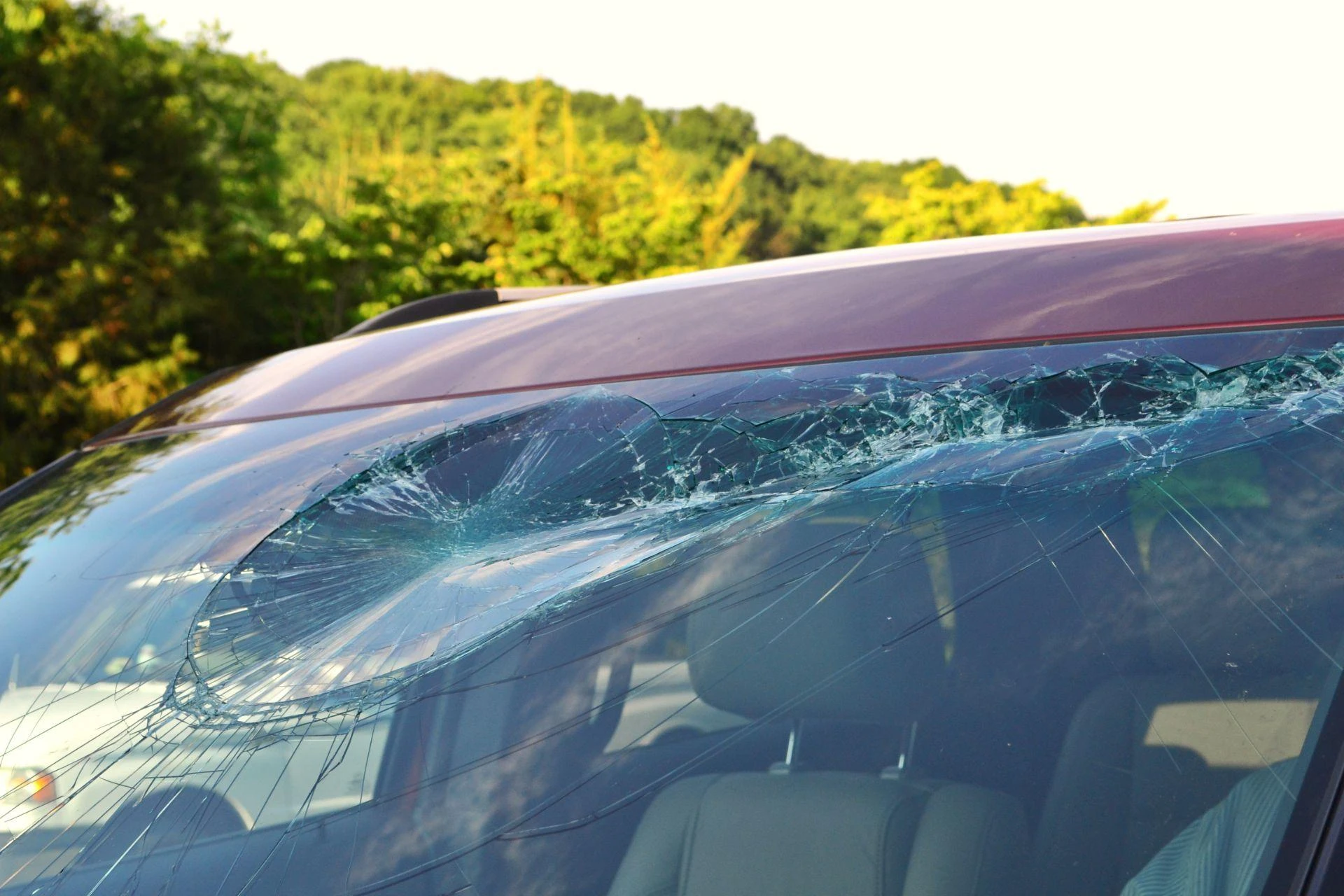
Why Deep Windshield Damage Cannot Be Repaired
Windshields consist of laminated glass with two fused layers. If damage extends past the outer layer into the second layer, repair becomes impossible. The deeper the damage, the higher the probability of the glass fracturing under stress.
- Cracks penetrating the middle plastic interlayer compromise overall durability.
- Extensive fractures diminish the glass’s ability to endure external forces.
- Replacement guarantees optimal structural integrity and long-term safety.
Windshield Damage in Critical Vision Areas
Windshield repair reinforces the strength of damaged glass, but it does not always eliminate visibility issues. If a chip or crack falls directly in the driver’s field of view, light refraction and distortion may persist, even after professional repair. This creates unsafe driving conditions, making full replacement the only viable option.
- Repairs may leave subtle distortions that interfere with clear visibility.
- Safety laws frequently prohibit repairing damage in essential sight zones.
- Replacement eliminates visual obstructions, ensuring safer driving conditions.
Multiple Areas of Windshield Damage
A single chip may be repaired, but extensive damage presents a different scenario. When a windshield contains multiple cracks and chips, its overall integrity is significantly diminished. Repair is no longer viable, as the widespread damage prevents long-term stability.
- Several fractures reduce the windshield’s overall strength and resilience.
- Multiple damage points limit the effectiveness of repair solutions.
- A new windshield becomes essential when structural weakening is too severe.
Windshield Repair or Replacement?
Not all windshield damage follows the same pattern. A professional assessment determines whether repair remains a viable option or if replacement is necessary. Factors such as damage location, depth, and length influence the best resolution.
- Minor chips and short cracks often qualify for repair.
- Deep fractures and extended cracks typically necessitate replacement.
- Expert evaluations ensure the safest and most cost-effective approach is taken.
Insurance for Windshield Repair and Replacement
Many insurance policies include windshield repair at no extra cost. Some policies also extend full coverage for windshield replacements. Verifying policy specifics enables drivers to avoid unexpected expenses while ensuring road safety.
- Comprehensive insurance plans frequently cover repair costs without deductibles.
- Replacement coverage depends on the policy type and regional guidelines.
- Repair claims usually do not impact insurance premiums.
Essential Insights on Windshield Repair
Windshield repair effectively restores minor damage but has clear limitations. Cracks beyond a specific length, deep fractures, and damage obstructing visibility require full replacement. Taking action quickly prevents minor defects from escalating into significant safety risks.
- Windshield repair is suitable for minor chips and limited cracks.
- Extensive cracks and deep damage demand full replacement.
- Timely intervention minimizes expenses and upholds visibility.
Common Questions About Windshield Repair
Will windshield repair completely remove a chip?
No, repair strengthens the glass and prevents spreading, but a faint blemish may still be visible.
How much time does windshield repair require?
Most professional repairs take between 30 and 45 minutes, depending on the severity of the damage.
Can insurance cover windshield repair costs?
Many comprehensive policies include repair coverage with no deductible, but coverage varies.
Can a repaired windshield still develop cracks?
A properly executed repair should hold up, but extreme conditions or additional impact may cause new fractures.
Is driving with a minor windshield crack safe?
No, small cracks can expand unpredictably, leading to costly repairs or unsafe driving conditions.



































Sign in to leave a comment.