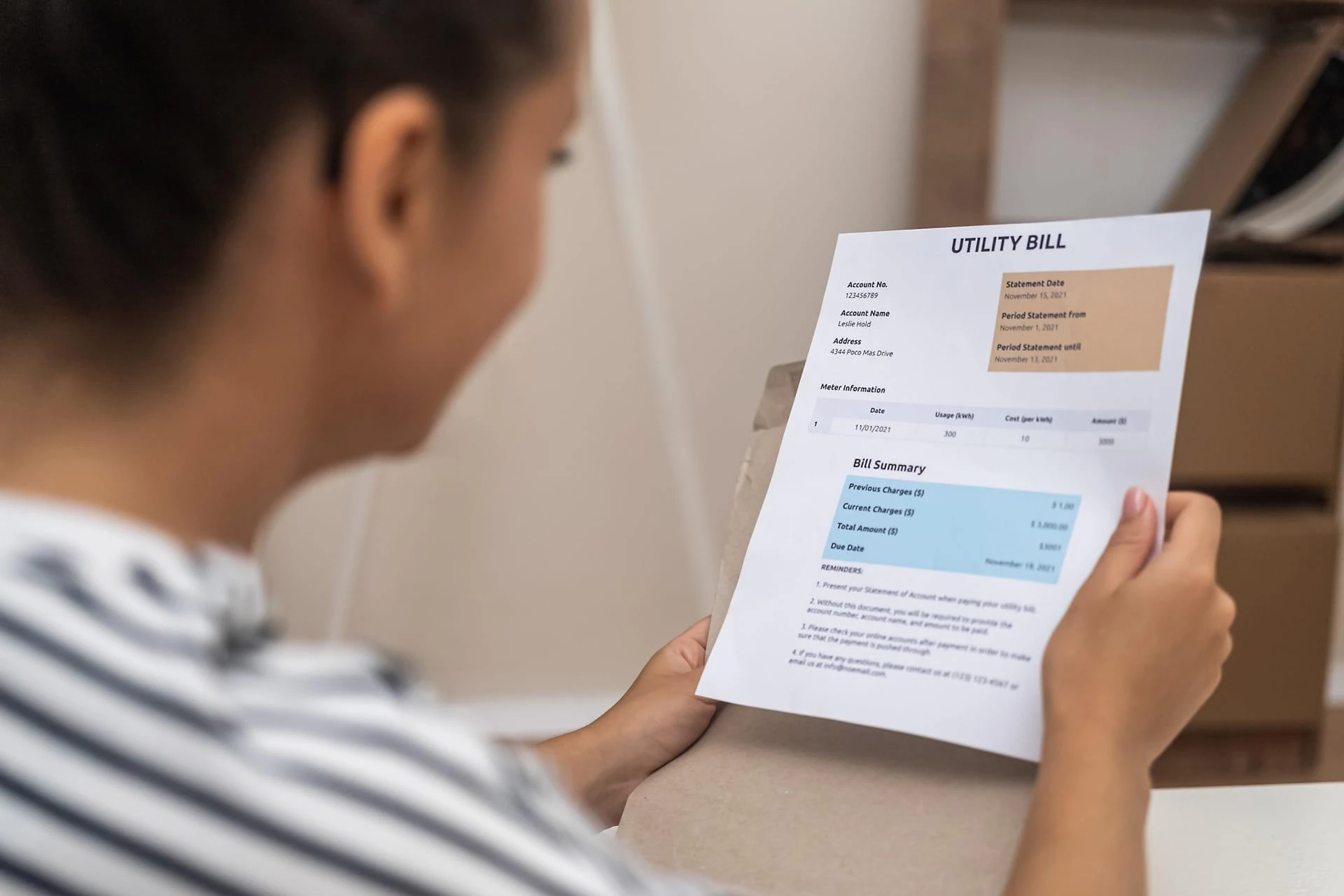

Surging electricity rates make it essential to implement practical, cost-effective strategies to reduce monthly expenses. Keeping your home comfortable while minimizing energy waste can lead to substantial long-term savings. Small yet impactful modifications, such as improving insulation or upgrading inefficient appliances, can create measurable reductions in energy consumption. According to Tropical Air Kare in Slidell, LA, "Even minor improvements in energy efficiency can generate significant savings on monthly utility costs."
Smart Methods to Lower Energy Expenses
One homeowner recently noticed a drastic increase in their electricity bill, despite switching to LED lighting. A detailed energy audit revealed poor insulation and an aging HVAC system as the main contributors. Taking simple yet effective measures like sealing air leaks and investing in energy-efficient appliances helped them save hundreds of dollars annually.
Upgrade Household Appliances to Energy-Saving Models
Older appliances tend to use excessive power compared to modern, energy-conscious models, especially those with ENERGY STAR certification. Large household devices, including refrigerators, washing machines, and dishwashers, significantly impact electricity consumption. Replacing outdated models with energy-efficient alternatives not only reduces utility bills but also enhances durability and functionality.
- ENERGY STAR-certified appliances consume up to 50% less electricity than traditional models (U.S. Department of Energy).
- Various rebate programs and incentives exist for homeowners who invest in energy-saving appliances.
- Smart appliances automatically regulate energy use, helping to prevent unnecessary electricity consumption.
Boost Home Insulation for Greater Efficiency
Quality insulation stabilizes indoor temperatures by preventing heat loss in winter and blocking excessive warmth in summer. Many older homes lack sufficient insulation, which leads to inflated heating and cooling costs. Adding insulation to attics, walls, and crawl spaces improves indoor comfort while reducing strain on HVAC systems.
- Well-insulated homes can lower heating and cooling costs by up to 20% (U.S. Department of Energy).
- Spray foam, fiberglass, and cellulose insulation enhance energy retention.
- Sealing cracks around windows and doors eliminates drafts and improves overall efficiency.
Eliminate Air Leaks to Minimize Energy Loss
Small gaps around doors, windows, and ductwork allow conditioned air to escape, forcing heating and cooling systems to work harder. Even minor leaks contribute to substantial energy loss over time. Addressing these inefficiencies ensures a consistent indoor climate while lowering electricity expenses.
- Weatherstripping and caulking serve as cost-effective solutions for sealing air leaks and improving insulation.
- Leaky ductwork can reduce HVAC efficiency by up to 30% (Energy.gov).
- Professional home energy audits help pinpoint hidden leaks that contribute to excessive power consumption.
Adjust Thermostat Settings for Maximum Savings
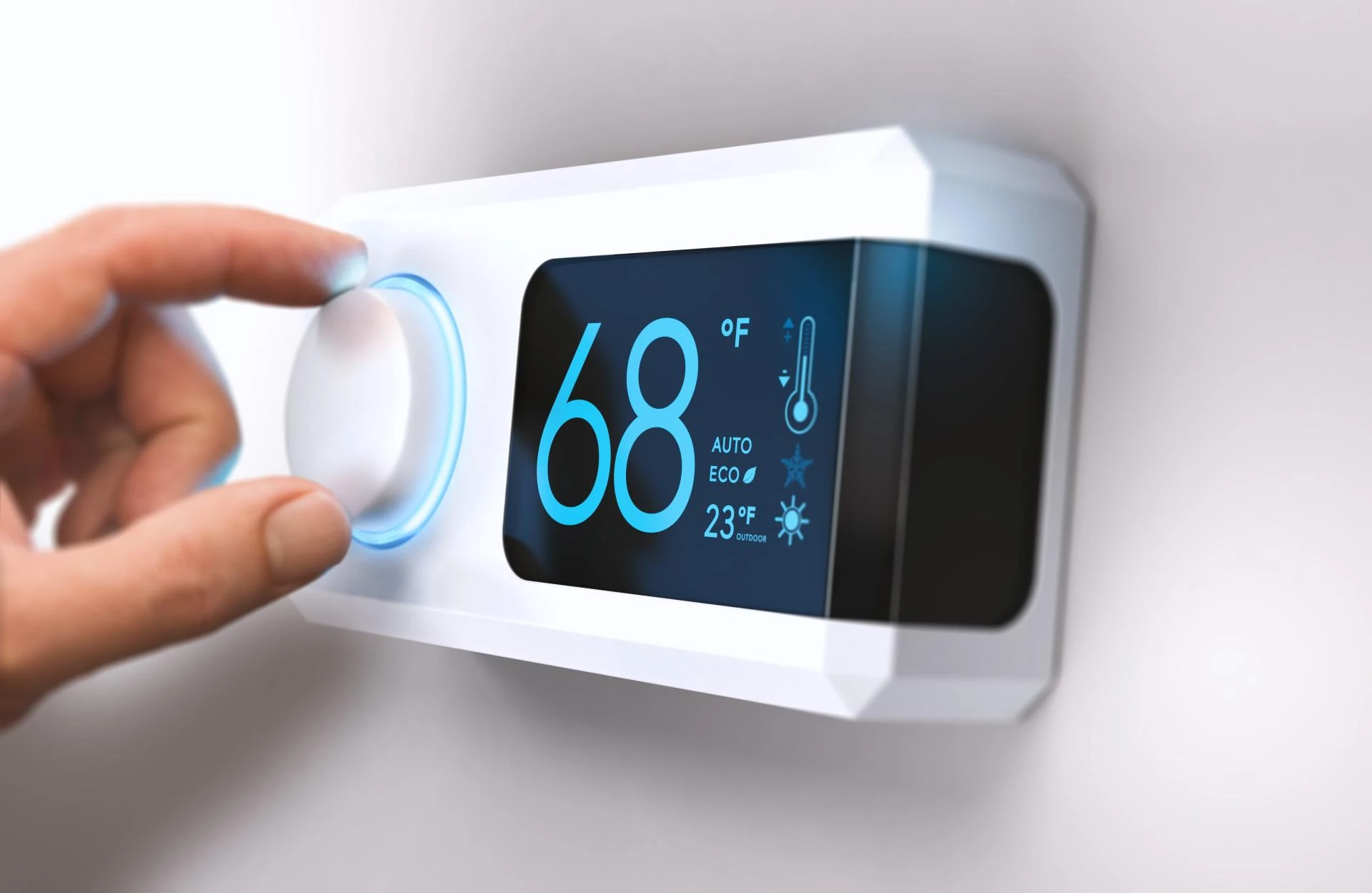
Fine-tuning temperature settings can significantly lower energy consumption. Raising the thermostat a few degrees in warm months and lowering it slightly in cooler seasons reduces the workload on heating and cooling systems. Smart thermostats simplify temperature control and optimize energy efficiency.
- The U.S. Department of Energy recommends setting thermostats to 78°F in summer and 68°F in winter for ideal efficiency.
- Programmable thermostats automatically adjust temperature settings based on daily usage patterns.
- Changing the thermostat by just one degree can cut energy costs by up to 3%.
Improve Air Circulation with Ceiling Fans
Ceiling fans distribute air efficiently, lessening the need for frequent HVAC adjustments. Running fans counterclockwise in summer and clockwise in winter improves air movement while maintaining comfortable temperatures.
- Ceiling fans enable homeowners to raise thermostat settings by 4°F without sacrificing comfort (Energy.gov).
- Using fans only in occupied rooms prevents unnecessary energy consumption.
- Turning off ceiling fans when leaving a room conserves electricity and reduces waste.
Switch to LED Lighting for Instant Energy Savings
Traditional incandescent bulbs waste electricity by producing excess heat. LED bulbs consume far less power, last significantly longer, and reduce both energy costs and maintenance expenses.
- LED bulbs use at least 75% less power than incandescent lights (U.S. Department of Energy).
- LEDs last up to 25 times longer, minimizing replacement costs.
- Dimmable LED options allow customized brightness levels, further optimizing energy efficiency.
Take Advantage of Solar Energy Programs
Solar energy provides a long-term solution for lowering electricity expenses while reducing reliance on conventional power sources. Homeowners can benefit from tax credits and rebate programs that make solar panel installation more affordable. Although the upfront investment may seem high, long-term financial and environmental benefits make solar power a valuable option.
- Federal solar incentives cover up to 30% of installation costs.
- Solar panels can decrease electricity bills by 50% or more, depending on household energy consumption.
- Net metering programs allow homeowners to sell surplus energy back to the grid, further lowering costs.
Sustainable Strategies for Long-Term Energy Reduction
Cutting electricity bills does not require major lifestyle changes. A combination of enhanced insulation, modern appliances, strategic thermostat use, and energy-efficient lighting can lead to substantial savings over time.
- Upgrading to high-efficiency appliances and LED lighting significantly lowers energy usage.
- Improving insulation and sealing air leaks stabilizes indoor temperatures throughout the year.
- Optimizing thermostat settings and using ceiling fans improves overall energy efficiency.
- Solar energy programs make renewable power more accessible and cost-effective for homeowners.
Frequently Asked Questions About Energy Efficiency
What are the best ways to cut electricity costs in an older home?
Improving insulation, sealing air leaks, and replacing outdated appliances are some of the most effective ways to lower power bills. Installing a programmable thermostat enhances efficiency even further.
Can ceiling fans actually help reduce electricity expenses?
Yes, ceiling fans improve air circulation, allowing homeowners to raise thermostat settings while maintaining a comfortable indoor atmosphere.
Are solar panels a worthwhile investment for reducing energy costs?
With available tax incentives and net metering programs, solar energy provides long-term financial savings and reduces dependence on traditional power sources.
How do smart thermostats help conserve energy?
Smart thermostats automatically adjust heating and cooling schedules based on daily routines, preventing unnecessary energy waste.
What are some simple habits to save electricity daily?
Switching to LED lighting, using energy-efficient power strips, and fine-tuning thermostat settings are practical and effective ways to cut electricity costs.































Sign in to leave a comment.