

Regular oil changes keep an engine running efficiently, preventing premature wear and expensive repairs. The question of how often oil should be changed isn’t always straightforward since it depends on several factors. Vehicle type, driving habits, and oil quality all influence the ideal maintenance schedule. Master technicians advise drivers to follow manufacturer recommendations while also considering real-world conditions that require more frequent service.
Oil Change Frequency for Newer Vehicles
Modern engines are more efficient than those from previous generations, often requiring fewer oil changes due to advancements in synthetic oil and onboard diagnostics. A customer recently visited an auto shop with a 2022 SUV, unsure whether to follow the dealership’s recommendation of 10,000 miles or stick to the traditional 5,000-mile interval. The best answer? It depends on how the vehicle is driven.
- Many new vehicles feature oil life monitoring systems that analyze driving conditions to determine when service is necessary.
- Synthetic oil extends intervals to 7,500-10,000 miles, but regular inspections remain important.
- Stop-and-go traffic, towing, or extreme temperatures may require an earlier change despite what the manual states.
High Mileage Cars Need More Frequent Oil Changes
Engines with over 75,000 miles require different care than newer models. Over time, seals wear down, and internal components experience greater friction. A 200,000-mile sedan that visits an auto shop every few months is a prime example of how older vehicles benefit from routine maintenance.
- Thicker high-mileage oil reduces leaks and protects aging engine parts.
- Older engines often burn oil faster, requiring more frequent checks and top-offs.
- Conventional oil may break down sooner, making synthetic blends a better choice.
Oil Type Plays a Major Role in Service Intervals
Not all motor oil is the same, and using the right type directly affects how often changes are needed. Synthetic, conventional, and blends each have distinct advantages.
- Synthetic oil lasts longer and withstands extreme temperatures better than conventional options.
- Conventional oil is more affordable but breaks down faster, often requiring service every 3,000-5,000 miles.
- Blended oils offer a balance between longevity and cost-effectiveness, suitable for many vehicles.
City Driving vs Highway Miles Impact Oil Longevity
Driving style influences oil breakdown more than many realize. A car that primarily operates in stop-and-go city traffic experiences different stress than one used for long highway trips.
- Short trips and frequent idling cause oil contamination faster, reducing its lifespan.
- Highway driving keeps oil at optimal temperature, extending intervals between services.
- It is recommended that city drivers stick to a 3,000-5,000 mile range, while highway drivers may safely extend to 7,500 miles with synthetic oil.
Towing and Heavy-Duty Use Requires Special Considerations
Vehicles regularly used for towing, hauling, or commercial purposes place additional stress on engine components, requiring stricter maintenance schedules.
- Heavy loads cause engines to run hotter, accelerating oil degradation.
- Diesel engines may have longer intervals but require high-quality oil rated for severe conditions.
- Checking oil levels between changes ensures proper lubrication under extreme conditions.
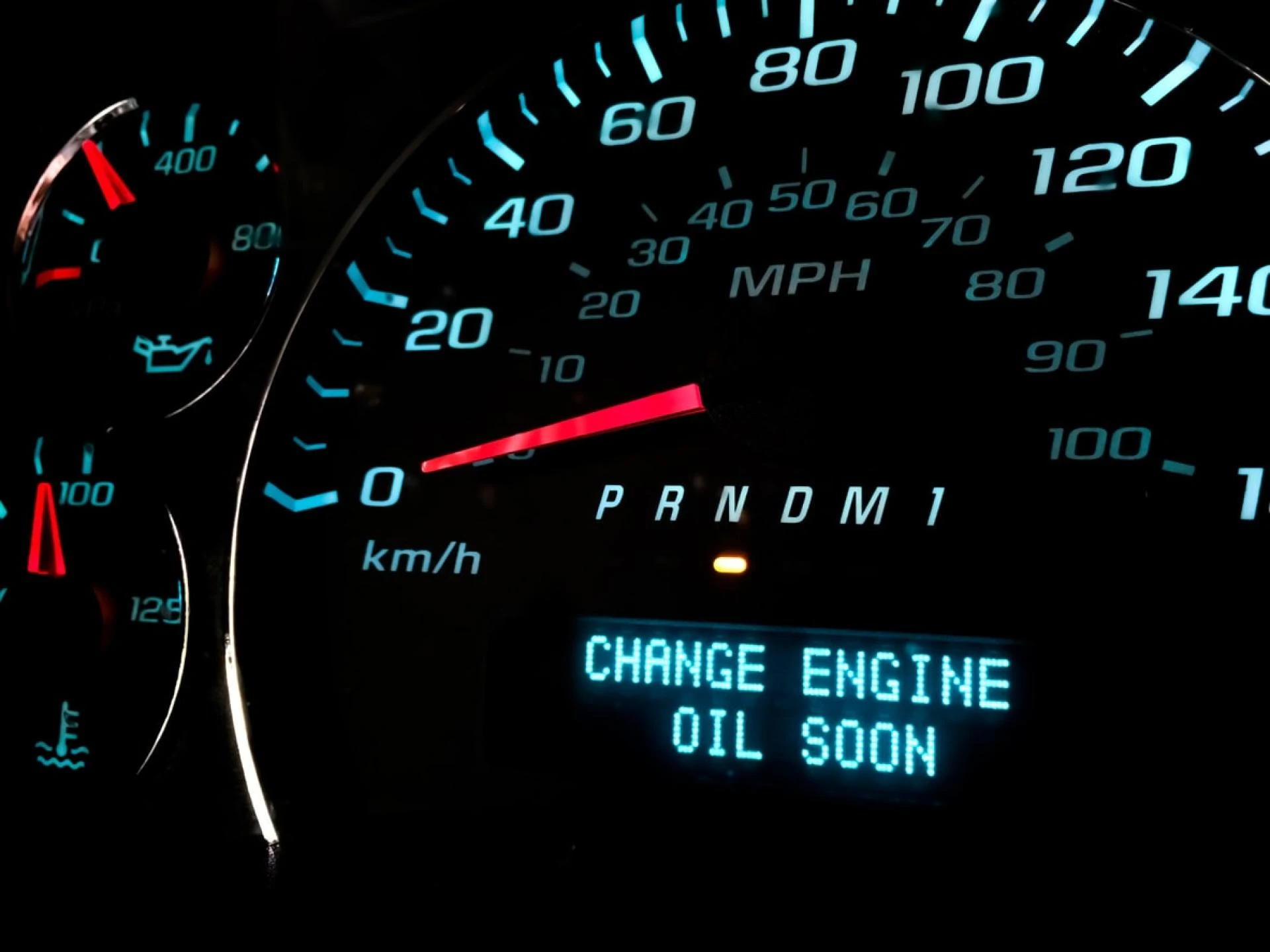
Warning Signs That Oil Needs Changing Sooner
Waiting for a maintenance light isn’t always the best approach. Certain signs indicate that an engine needs fresh oil before the next scheduled service.
- Dark, gritty oil on the dipstick suggests contamination and breakdown.
- A louder engine or knocking sounds may signal reduced lubrication.
- Oil pressure warning lights should never be ignored, as they indicate potential engine damage.
Key Takeaways for How Often to Change Oil
Understanding oil change frequency helps prevent engine wear, reduce breakdowns, and improve efficiency. Different vehicles and driving conditions require unique approaches.
- Newer cars may safely follow extended intervals if using synthetic oil and monitoring usage.
- High-mileage vehicles need more frequent changes due to increased wear and oil consumption.
- Heavy-duty use, city driving, and extreme temperatures shorten oil lifespan, requiring more attentive maintenance.
Frequently Asked Questions About Oil Change Frequency
How does synthetic oil extend the time between oil changes?
Synthetic oil resists breakdown better than conventional oil, allowing it to maintain proper viscosity and lubrication for longer periods, often up to 10,000 miles.
Do electric vehicles need oil changes?
Fully electric vehicles do not require oil changes since they don’t have internal combustion engines. However, hybrid models still need regular oil maintenance.
Is changing oil every 3,000 miles still necessary?
Most modern engines and high-quality oils no longer require changes at such short intervals unless the vehicle operates under extreme conditions, such as heavy towing or stop-and-go driving.
Can skipping oil changes damage an engine?
Neglecting oil changes leads to sludge buildup, reduced lubrication, and increased friction, potentially causing severe engine damage or failure over time.
Does weather affect oil change frequency?
Extreme temperatures, both hot and cold, can influence oil performance. Cold weather thickens oil, making circulation harder, while high heat accelerates breakdown, requiring more frequent maintenance.



































Sign in to leave a comment.