

Modern healthcare systems rely on a combination of advanced technology, structured processes, and skilled professionals to deliver safe and effective patient care. Every medical procedure, whether minor or complex, requires careful coordination to ensure that patients remain stable and comfortable throughout the process. While surgical precision is often highlighted, anesthesia management plays an equally vital role in achieving successful outcomes.
Anesthesia is responsible for controlling pain, maintaining sedation, and ensuring patient stability during procedures. It requires continuous monitoring, accurate dosage control, and the ability to respond quickly to changes in patient condition. Because of these critical responsibilities, healthcare facilities depend heavily on experienced anesthesia providers who can manage complex clinical situations and ensure that every stage of the procedure is handled with precision.
Patient Evaluation
Before any procedure begins, anesthesia professionals conduct a thorough patient evaluation. This step is essential to determine the most appropriate anesthesia plan based on individual health conditions. Medical history, allergies, medications, and underlying diseases are carefully reviewed.
Patients with cardiovascular issues, respiratory disorders, or chronic illnesses may require specialized anesthesia strategies. Age and body weight also influence how anesthesia medications are processed by the body.
A detailed evaluation helps minimise risks and ensures that the anesthesia plan is tailored to the patient’s specific needs. It also provides an opportunity to address patient concerns and reduce anxiety before the procedure.
Sedation Control
Administering anesthesia requires a careful balance between patient comfort and physiological stability. The goal is to eliminate pain while maintaining essential body functions such as breathing and circulation.
Different procedures require different levels of sedation. Minor treatments may involve light sedation, while complex surgeries require deeper anesthesia. Professionals must calculate the correct dosage and adjust it based on the patient’s response.
Continuous observation ensures that sedation levels remain appropriate throughout the procedure. This dynamic adjustment is crucial for maintaining both safety and effectiveness.
Monitoring Vital Signs
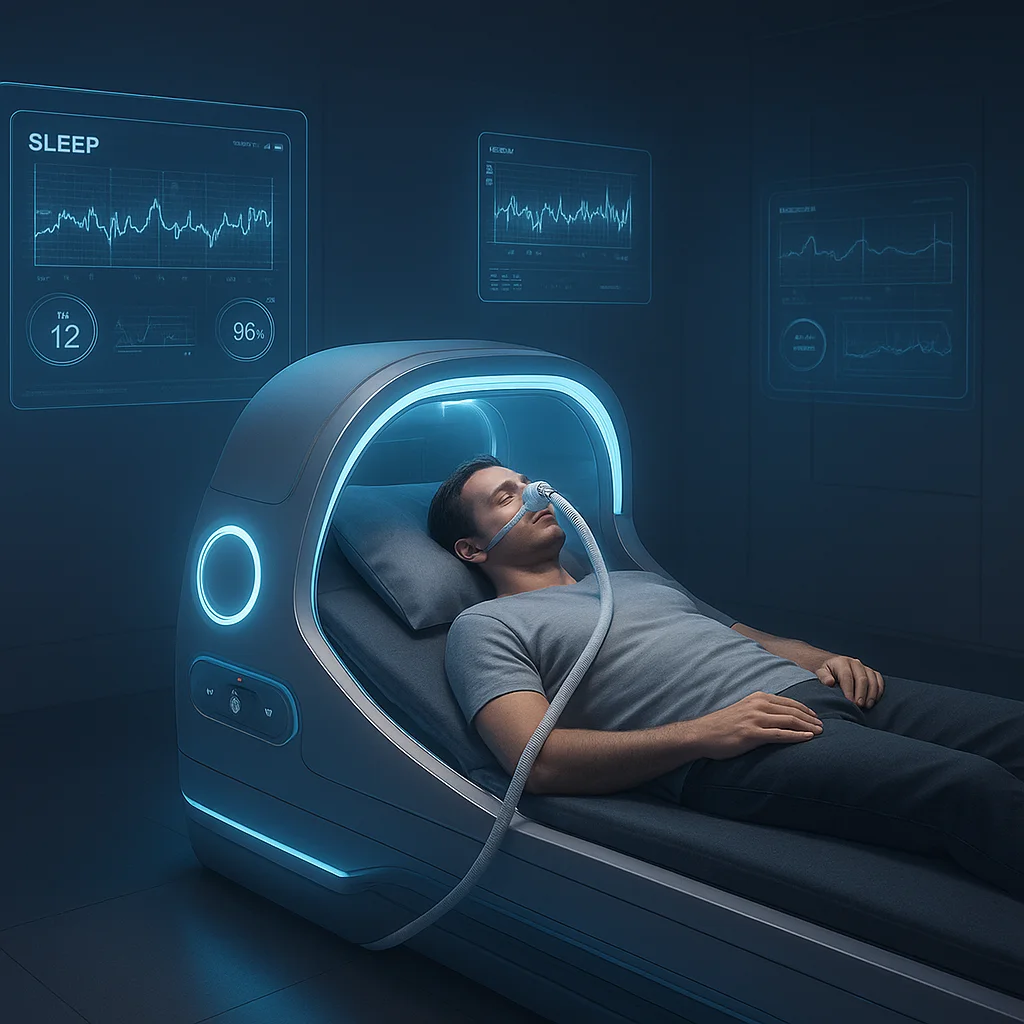
Continuous monitoring is one of the most critical aspects of anesthesia care. During procedures, vital signs such as heart rate, blood pressure, oxygen levels, and respiratory activity must be observed closely.
Even small changes in these indicators can signal potential complications. Immediate action may be required to stabilize the patient and prevent serious issues. Modern monitoring systems provide real-time data that allows professionals to detect changes quickly.
However, technology alone is not sufficient. Accurate interpretation of this data requires clinical expertise and quick decision-making skills.
Clinical Expertise
Anesthesia professionals undergo extensive education and training in medical science. Their studies include pharmacology, physiology, airway management, and emergency response techniques. This knowledge allows them to understand how anesthesia medications affect different body systems.
Because anesthesia impacts respiratory, cardiovascular, and neurological functions, precise management is essential. Professionals must carefully calculate dosages and adjust them based on patient responses.
Experience plays a significant role in developing these skills. Over time, professionals gain the ability to identify early warning signs and respond effectively to unexpected situations.
Team Coordination
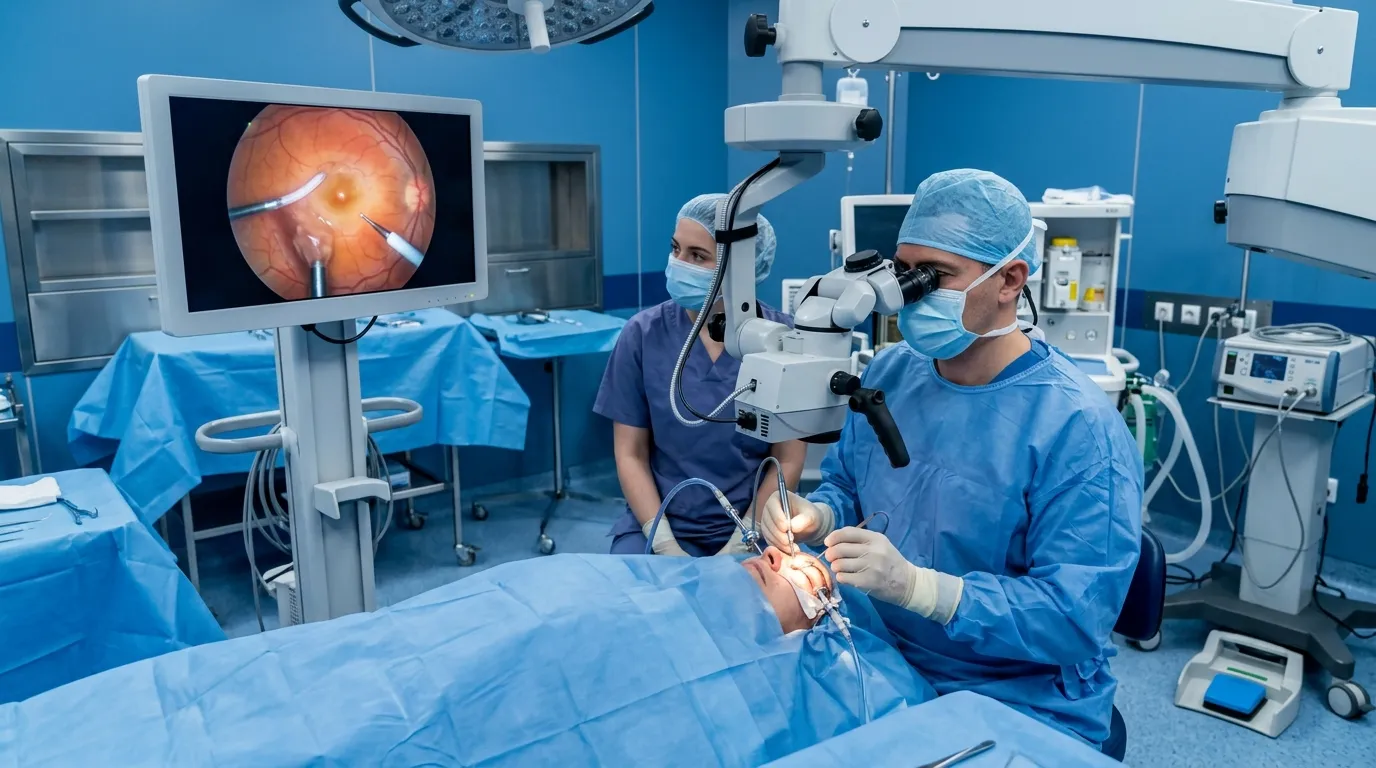
Healthcare procedures rely on strong collaboration among medical professionals. Surgeons, nurses, technicians, and anesthesia specialists must work together to ensure smooth and efficient operations.
Before procedures begin, teams review patient information and discuss the planned approach. This preparation ensures that each member understands their role and responsibilities.
During the procedure, communication remains essential. If patient conditions change or complications arise, team members must respond quickly and coordinate their actions.
Effective teamwork improves efficiency and reduces the likelihood of errors.
Technology Support
Advances in medical technology have significantly improved anesthesia management. Modern monitoring systems provide accurate and continuous data about patient conditions during procedures.
These systems track vital indicators such as oxygen saturation, heart rhythm, and respiratory activity. Real-time monitoring helps professionals detect potential issues early and take corrective action.
Although technology enhances safety, it cannot replace human expertise. Skilled professionals must interpret the data and make informed decisions based on clinical judgment.
Recovery Phase
Anesthesia care continues even after the procedure is completed. During the recovery phase, patients must be monitored closely as the effects of anesthesia gradually wear off.
Medical professionals observe vital signs and ensure that patients regain consciousness safely. Some individuals may experience temporary side effects such as nausea or dizziness.
Proper monitoring during recovery helps prevent complications and supports a smooth transition to normal functioning.
Organizational Benefits
Healthcare facilities that prioritize strong anesthesia management systems often experience long-term advantages. Safe procedures lead to fewer complications and improved patient satisfaction.
Efficient anesthesia practices also enhance workflow within medical institutions. When procedures run smoothly, healthcare teams can manage patient volumes more effectively.
Over time, consistent performance strengthens the reputation of healthcare organizations and builds trust among patients.
Conclusion
Anesthesia management is a vital component of modern medical care. From patient evaluation and sedation control to continuous monitoring and recovery support, every stage requires precision and expertise.
By relying on skilled professionals, advanced technology, and effective teamwork, healthcare facilities can maintain high standards of safety. Expert anesthesia care ensures that medical procedures are both safe and efficient while delivering positive outcomes for patients.



























Sign in to leave a comment.