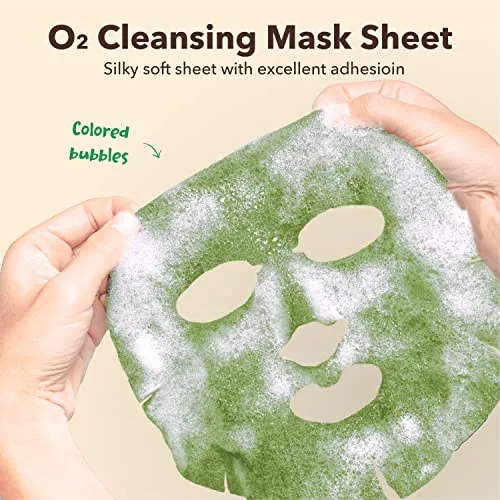

In the modern skincare industry, personalization has become a key factor in product success. Consumers now expect facial masks to address their specific skin concerns rather than offering a one-size-fits-all solution. To meet this demand, manufacturers carefully design and adjust formulations based on different skin types and conditions.
Working with an experienced facial mask manufacturer allows skincare brands to develop targeted products that deliver better results for diverse customer needs while maintaining safety, stability, and consistency.
Understanding Different Skin Types
Before customizing any formula, manufacturers first analyze the characteristics of various skin types. This ensures that each product is designed with a clear skincare goal in mind.
Common skin types include:
- Normal skin
- Dry skin
- Oily skin
- Combination skin
- Sensitive skin
- Acne-prone skin
Each type requires a different balance of ingredients and formulation techniques.
Customizing Hydration for Dry Skin
Dry skin needs deep hydration and moisture retention. Manufacturers focus on creating formulas that strengthen the skin barrier and prevent moisture loss.
Key ingredients often include:
- Hyaluronic acid
- Glycerin
- Ceramides
- Aloe vera
- Natural oils
These ingredients help improve skin elasticity and restore softness.
Balancing Oil Control for Oily Skin
Oily skin requires lightweight formulas that help regulate sebum production without clogging pores. Manufacturers design oil-control masks that maintain skin balance while preventing excess shine.
Common ingredients include:
- Niacinamide
- Salicylic acid
- Tea tree extract
- Witch hazel
- Charcoal
These components help cleanse pores and reduce oil buildup.
Soothing Sensitive Skin
Sensitive skin requires gentle formulations that minimize irritation and redness. Manufacturers avoid harsh ingredients and focus on calming, skin-friendly components.
Typical soothing ingredients include:
- Chamomile extract
- Centella asiatica
- Aloe vera
- Panthenol
- Allantoin
These ingredients help strengthen the skin barrier and reduce sensitivity.
Brightening Formulas for Uneven Skin Tone
For dull or uneven skin tone, manufacturers develop brightening masks that improve radiance and skin clarity.
Common brightening ingredients include:
- Vitamin C
- Niacinamide
- Licorice extract
- Arbutin
- Pearl extract
These ingredients help improve skin tone and enhance overall glow.
Anti-Aging Formulations
Anti-aging facial masks are designed to reduce fine lines, improve elasticity, and support collagen production.
Key ingredients often include:
- Peptides
- Collagen
- Retinol derivatives
- Hyaluronic acid
- Antioxidants
These ingredients help improve skin firmness and reduce visible signs of aging.
Acne-Focused Formulas
For acne-prone skin, manufacturers create formulas that target breakouts while calming inflammation.
Common ingredients include:
- Salicylic acid
- Tea tree oil
- Zinc
- Niacinamide
- Green tea extract
These components help reduce acne-causing bacteria and support clearer skin.
Role of Ingredient Balance
Customizing facial mask formulas is not just about selecting ingredients but also balancing them correctly. Manufacturers carefully adjust concentrations to ensure effectiveness without causing irritation.
This process involves:
- Testing ingredient compatibility
- Adjusting active concentrations
- Evaluating skin sensitivity levels
- Ensuring formula stability
- Maintaining product safety
Proper balance ensures optimal results for each skin type.
Testing and Refinement Process
Before final production, customized formulas go through extensive testing to ensure performance and safety.
Manufacturers conduct:
- Stability testing
- Skin irritation testing
- pH balance evaluation
- Performance assessment
- User trial feedback
Based on test results, formulas are refined for better effectiveness.
Sheet Material Selection for Skin Compatibility
In addition to serum formulation, manufacturers also choose sheet materials that complement different skin needs.
Popular options include:
- Cotton sheets for comfort
- Bio-cellulose for deep absorption
- Hydrogel for cooling effect
- Bamboo fiber for eco-friendly use
The right material enhances overall product performance.
Quality Control in Customized Formulas
Every customized facial mask undergoes strict quality control to ensure consistency and safety across production batches.
Quality checks include:
- Ingredient verification
- Microbiological testing
- Stability monitoring
- Packaging inspection
- Batch consistency checks
These measures ensure reliable product performance.
Conclusion
Facial mask manufacturers play a crucial role in developing customized skincare solutions tailored to different skin types. Through careful ingredient selection, precise formulation, and rigorous testing, they create products that address specific skin concerns such as dryness, oiliness, sensitivity, aging, and acne.
By partnering with an experienced facial mask manufacturer, skincare brands can offer targeted, high-quality products that meet diverse consumer needs and strengthen their position in the competitive beauty market.






















Sign in to leave a comment.