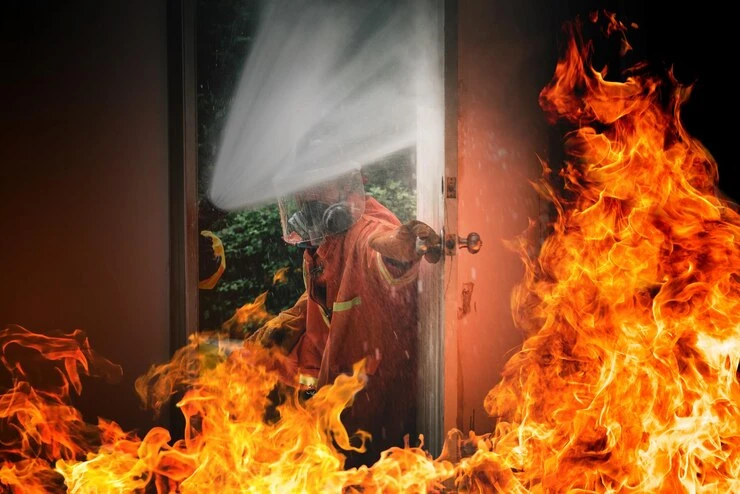
Fire damage can be one of the most devastating disasters a homeowner can experience. It not only destroys property but also leaves emotional and financial burdens in its wake. Recovering from a fire requires immediate action, proper planning, and professional expertise. Fire damage restoration is a critical process that helps homeowners salvage their properties, restore safety, and prevent further issues such as structural damage and mold growth.
Understanding Fire Damage and Its Consequences
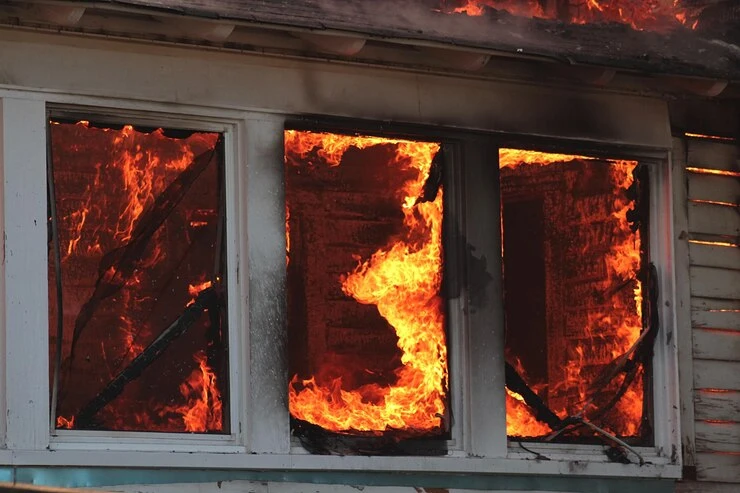
Fires cause extensive damage beyond just burning structures. The aftermath includes:
- Structural Damage: Fire weakens the structural integrity of a home, making it unsafe.
- Smoke and Soot Residue: Even areas untouched by flames can be covered in smoke and soot, causing discoloration and health hazards.
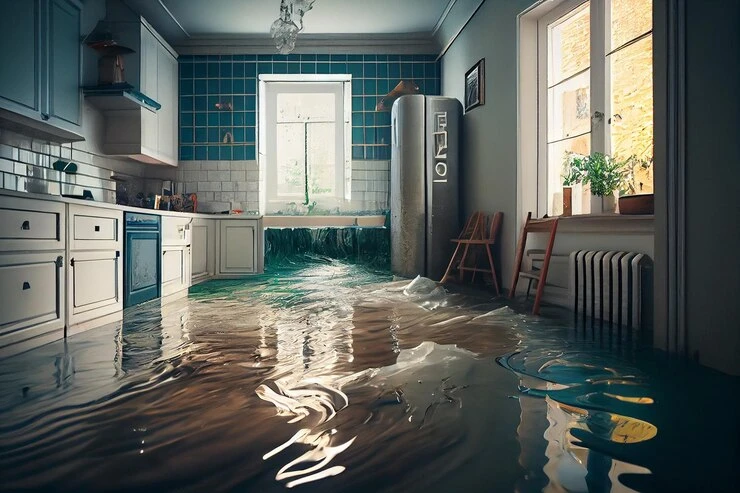
- Water Damage: Firefighting efforts often leave behind significant water damage, leading to potential mold growth.
- Lingering Odors: Smoke odors can penetrate walls, furniture, and flooring, making living conditions unbearable.
- Health Hazards: Toxic fumes from burned materials can pose serious health risks to occupants.
The Fire Damage Restoration Process
Fire damage restoration is a systematic approach aimed at bringing a home back to its pre-loss condition. The process includes several essential steps:
1. Assessment and Inspection
A thorough inspection is the first step in evaluating the extent of fire, smoke, and water damage. Restoration professionals assess:
- The structural integrity of walls, ceilings, and floors.
- The severity of smoke and soot residue.
- The extent of water damage from firefighting efforts.
This evaluation helps create a detailed restoration plan tailored to the home’s needs.
2. Securing the Property
To prevent further damage and unauthorized access, restoration experts take steps such as:
- Boarding up windows and doors to protect against the elements and intruders.
- Tarping damaged roofs to prevent water leaks and exposure.
3. Water Removal and Drying
Water left behind by firefighting efforts can lead to mold growth and structural deterioration. The drying process includes:
- Water extraction using specialized pumps and vacuums.
- Dehumidification to remove excess moisture from the air and surfaces.
- Air circulation to speed up drying and prevent mold growth.
4. Smoke and Soot Cleanup
Soot and smoke residues are highly corrosive and can permanently damage surfaces if not removed properly. The cleaning process involves:
- Surface cleaning using chemical agents to remove soot from walls, ceilings, and floors.
- Air purification with HEPA filters and ozone treatments to eliminate smoke odors.
- Furniture and textile restoration to clean and deodorize household items affected by smoke.
5. Structural Repairs and Reconstruction
Once cleanup is complete, structural repairs begin. This step includes:
- Replacing damaged drywall, flooring, and ceilings.
- Repairing or rebuilding sections of the home affected by fire.
- Painting and refinishing surfaces to restore their original look.
6. Final Cleaning and Sanitization
To ensure the home is safe and livable, a final round of deep cleaning and sanitization is performed. This includes:
- Deodorizing rooms to eliminate lingering smoke smells.
- Sanitizing surfaces to remove contaminants and bacteria.
- Final inspections to confirm that all restoration efforts meet safety standards.
Benefits of Professional Fire Damage Restoration
Hiring professional fire damage restoration experts offers several advantages:
1. Quick Response Time
Immediate action is crucial in fire damage restoration. Professionals arrive promptly to mitigate further damage and begin recovery.
2. Comprehensive Assessment
Experts conduct a thorough evaluation to determine the full extent of damage, ensuring that no hidden issues are overlooked.
3. Advanced Equipment and Techniques
Restoration professionals use industrial-grade tools, including dehumidifiers, air scrubbers, and soot removal agents, to achieve the best results.
4. Safe and Efficient Cleanup
Dealing with soot, smoke, and hazardous residues requires specialized training. Professionals follow safety protocols to ensure proper cleanup and restoration.
5. Insurance Assistance
Navigating insurance claims can be overwhelming. Fire damage restoration companies often assist homeowners in documenting damage, filing claims, and negotiating settlements.
Preventing Future Fire Damage
While fire damage restoration helps recover from disaster, prevention is the best way to protect a home. Consider the following fire safety tips:
1. Install and Maintain Smoke Alarms
- Place smoke detectors in key areas, such as bedrooms, hallways, and the kitchen.
- Test alarms monthly and replace batteries as needed.
2. Practice Safe Cooking Habits
- Never leave cooking appliances unattended.
- Keep flammable items away from stoves and ovens.
3. Inspect Electrical Systems Regularly
- Check wiring for damage or wear.
- Avoid overloading electrical outlets and circuits.
4. Use Fire-Resistant Building Materials
- Install fire-resistant doors, roofing, and insulation.
- Use flame-retardant treatments for furniture and curtains.
5. Keep Fire Extinguishers Handy
- Place extinguishers in key areas like the kitchen and garage.
- Ensure all household members know how to use them properly.
Emotional and Psychological Recovery After a Fire
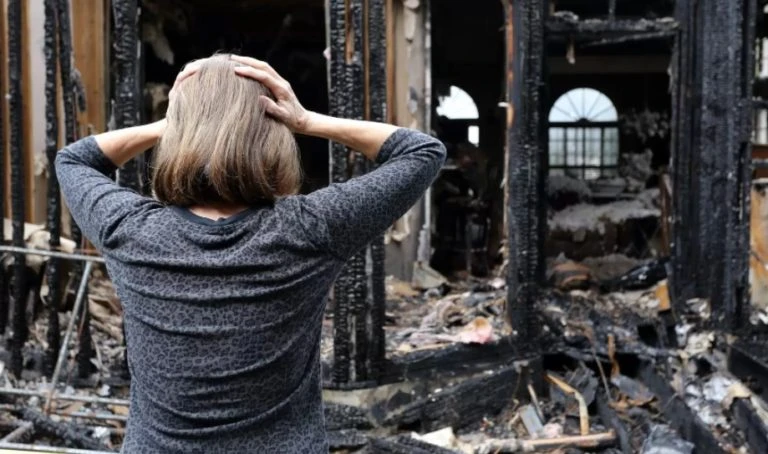
A fire can be a traumatic experience, leaving homeowners feeling overwhelmed and stressed. Coping with the aftermath requires emotional resilience and support. Consider these steps:
- Seek support from family, friends, or professional counselors.
- Take time to process emotions and adjust to post-fire realities.
- Focus on rebuilding and creating a safe environment moving forward.
Conclusion
Fire damage restoration is a crucial process that helps homeowners rebuild and recover after a fire. From initial assessment to final reconstruction, each step plays a vital role in restoring safety and comfort. By acting quickly, hiring professionals, and taking preventive measures, homeowners can protect their property and loved ones from future fire-related disasters. While the effects of a fire can be devastating, a well-executed restoration plan can turn loss into recovery and renewal.


























Sign in to leave a comment.