Introduction
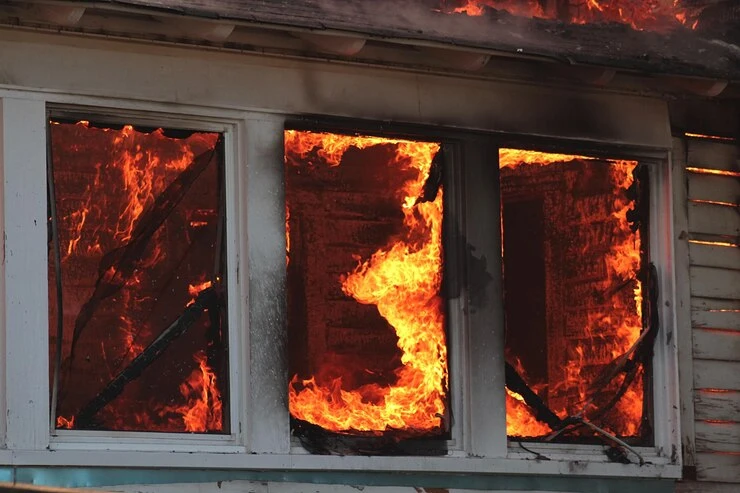
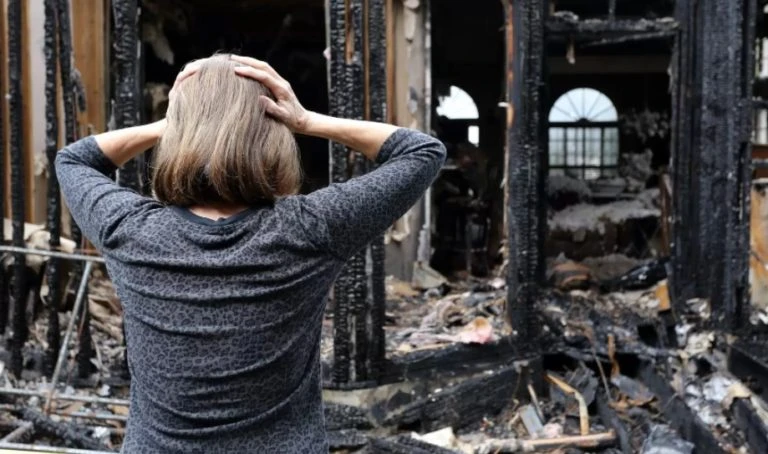
Fire damage can be devastating, leading to significant property loss and safety risks. Whether in a home or a commercial building, fire prevention should be a top priority. By taking proactive steps, such as maintaining fire safety equipment, implementing safety protocols, and educating occupants, the risk of fire-related disasters can be significantly reduced. This article provides essential strategies to prevent fire damage and keep both residential and commercial properties safe.
Understanding Common Causes of Fire
Fires can start from various sources, many of which are preventable. Some of the most common causes include:
- Electrical faults: Overloaded circuits, faulty wiring, and outdated electrical systems can spark fires.
- Cooking accidents: Unattended stoves, grease fires, and flammable kitchen materials contribute to house fires.
- Heating equipment: Portable heaters, fireplaces, and HVAC systems pose risks if not maintained properly.
- Smoking materials: Cigarettes and matches can ignite fires if improperly discarded.
- Flammable materials: Improper storage of chemicals and combustible materials increases fire risks.
Understanding these causes allows property owners to implement preventive measures effectively.
Fire Prevention Strategies for Homes
1. Install Smoke Alarms and Fire Detectors
Smoke alarms and fire detectors should be installed in every room and regularly tested to ensure they function properly. They serve as the first line of defense in alerting residents of potential fire hazards.
2. Maintain Electrical Systems
Regular inspections of wiring, outlets, and electrical panels can prevent short circuits and electrical fires. Replacing outdated or damaged wiring reduces fire risks significantly.
3. Practice Safe Cooking Habits
Cooking should never be left unattended. Keeping flammable objects away from stoves and using timers while cooking can prevent kitchen fires. Additionally, having a fire extinguisher nearby can help in emergencies.
4. Use Heating Equipment Safely
Portable heaters should be placed away from combustible materials, and fireplaces must be cleaned and inspected regularly. HVAC systems should also be maintained to ensure they do not pose a fire risk.
5. Store Flammable Materials Properly
Household chemicals, gasoline, and other flammable liquids should be stored in well-ventilated areas away from heat sources. Proper labeling and secure storage reduce the likelihood of accidental fires.
Fire Prevention Strategies for Commercial Buildings
1. Implement Fire Safety Training
Employees should receive regular fire safety training to understand evacuation routes, fire extinguisher usage, and emergency procedures. This ensures a coordinated response in case of a fire.
2. Conduct Regular Fire Drills
Fire drills help occupants become familiar with evacuation routes and emergency exits. Practicing these procedures enhances preparedness and minimizes confusion during actual emergencies.
3. Maintain Fire Safety Equipment
Fire extinguishers, sprinkler systems, and fire alarms should be regularly inspected and maintained to ensure they function properly when needed.
4. Establish Clear Fire Safety Protocols
Clearly defined safety protocols, such as designated smoking areas, restricted use of flammable materials, and proper disposal methods, contribute to a safer environment.
5. Secure Electrical Systems
Commercial buildings should undergo routine electrical inspections to identify potential hazards. Professional electricians should address any faulty wiring or outdated electrical components.
Emergency Preparedness and Response
1. Develop an Emergency Plan
Both homes and businesses should have an emergency plan that outlines evacuation routes, meeting points, and communication protocols.
2. Install Fire Suppression Systems
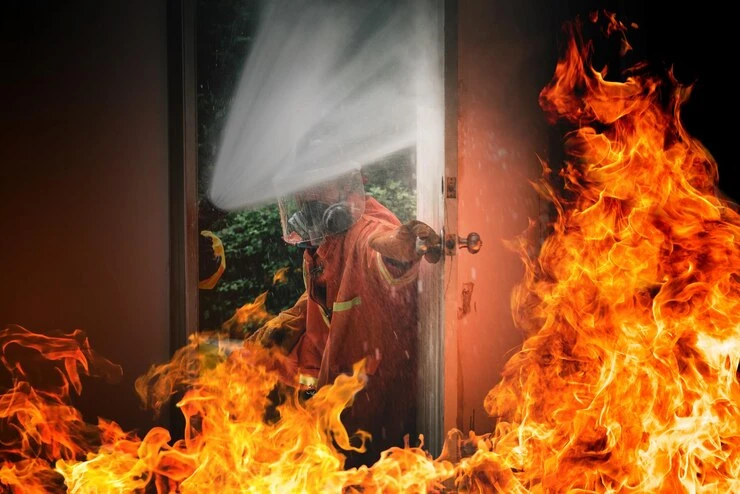
Sprinkler systems and fire extinguishers can help control fires before they spread, reducing damage and enhancing safety.
3. Have an Emergency Kit Ready
An emergency kit containing essential supplies, such as first-aid items, flashlights, and contact lists, can be invaluable in fire emergencies.
FAQs
1. How often should smoke alarms be tested?
Smoke alarms should be tested monthly and batteries replaced at least once a year to ensure proper functionality.
2. What should be included in a fire emergency plan?
A fire emergency plan should include evacuation routes, emergency contact numbers, designated meeting points, and fire extinguisher locations.
3. How can I prevent electrical fires in my home?
To prevent electrical fires, avoid overloading circuits, use surge protectors, replace damaged wiring, and schedule regular electrical inspections.
4. What fire safety measures should businesses implement?
Businesses should conduct regular fire drills, maintain fire safety equipment, establish clear safety protocols, and train employees on fire prevention techniques.
5. Can fire extinguishers be used on all types of fires?
No, fire extinguishers are classified based on the type of fire they are designed to extinguish. It is essential to use the appropriate extinguisher for each fire type.
Conclusion
Fire damage restoration requires a proactive approach, combining education, proper maintenance, and emergency preparedness. By implementing fire safety measures in both homes and commercial buildings, property owners can reduce risks and protect lives. Regular inspections, fire safety training, and proper use of equipment ensure that potential hazards are addressed before they escalate into disasters. Prioritizing fire prevention today can save lives and property in the future.




























Sign in to leave a comment.