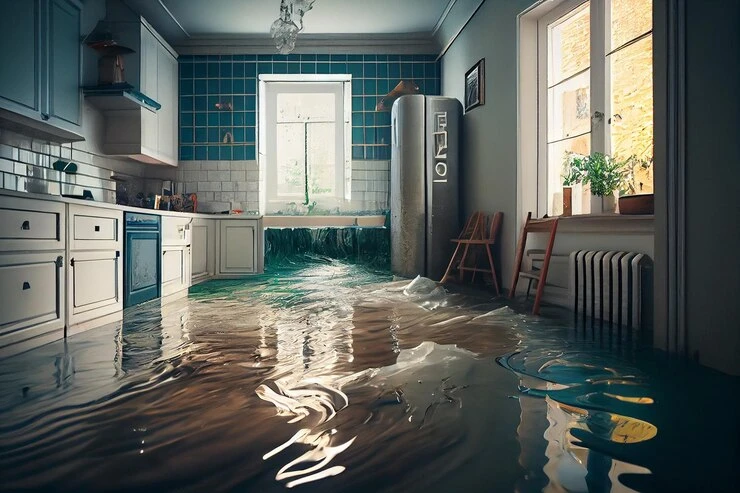
Water damage is one of the most common and costly issues homeowners and property owners face. From structural damage to mold growth, unchecked water intrusion can lead to serious consequences. Effective water damage restoration is crucial in mitigating these effects, but prevention is always the best approach. Understanding the common causes of water damage can help individuals take proactive measures to safeguard their properties.
1. Plumbing Issues
One of the leading causes of water damage is faulty or aging plumbing systems. Leaking pipes, burst pipes, and corroded connections can lead to water intrusion that may go unnoticed until significant damage has occurred.
Prevention Tips:
- Regularly inspect pipes for leaks and corrosion.
- Replace old or damaged pipes as needed.
- Insulate pipes to prevent freezing and bursting in colder months.
2. Roof Leaks
A compromised roof is a major source of water damage, allowing rainwater to seep into walls, ceilings, and insulation. Over time, this can lead to mold growth and structural weakening.
Prevention Tips:
- Inspect the roof for missing or damaged shingles regularly.
- Clear gutters and downspouts to prevent water buildup.
- Repair any leaks promptly to avoid further deterioration.
3. Faulty Appliances
Household appliances such as water heaters, washing machines, dishwashers, and refrigerators can cause water damage if they develop leaks or malfunction.
Prevention Tips:
- Check appliance hoses and connections for signs of wear or leaks.
- Replace old hoses with durable, braided stainless steel ones.
- Perform regular maintenance and servicing on all appliances.
4. Poor Drainage Systems
Improper drainage around a property can result in water pooling near the foundation, leading to basement flooding and structural damage.
Prevention Tips:
- Ensure proper grading around the home to direct water away.
- Clean gutters and downspouts to allow water to flow freely.
- Install a sump pump to prevent basement flooding.
5. Natural Disasters
Floods, hurricanes, and heavy storms can overwhelm drainage systems and cause extensive water damage to homes and buildings.
Prevention Tips:
- Install flood barriers or sandbags in flood-prone areas.
- Elevate electrical systems and appliances in basements.
- Have an emergency plan and backup water removal system in place.
6. HVAC System Issues
Heating, ventilation, and air conditioning (HVAC) systems can accumulate condensation or develop leaks, leading to moisture buildup and potential mold growth.
Prevention Tips:
- Regularly inspect and clean HVAC drain lines.
- Change air filters to ensure proper airflow and reduce humidity.
- Schedule professional maintenance at least once a year.
7. Clogged Gutters
When gutters become clogged with leaves and debris, they can overflow, allowing water to seep into walls, foundations, and basements.
Prevention Tips:
- Clean gutters regularly, especially before rainy seasons.
- Install gutter guards to prevent debris buildup.
- Check downspouts to ensure they direct water away from the property.
8. Foundation Cracks
Cracks in a building's foundation can allow water to seep into basements and crawl spaces, leading to significant structural damage over time.
Prevention Tips:
- Seal foundation cracks with waterproof sealants.
- Install proper drainage systems to prevent water buildup.
- Monitor basement walls and floors for signs of dampness.
9. Overflowing Toilets and Sinks
Toilets and sinks can overflow due to clogs, faulty plumbing, or human error, leading to water spreading across floors and into surrounding areas.
Prevention Tips:
- Avoid flushing non-flushable items down the toilet.
- Use drain guards to catch debris in sinks.
- Regularly inspect plumbing fixtures for potential issues.
10. Sewer Backups
A backed-up sewer line can cause contaminated water to flow into homes, posing serious health risks and property damage.
Prevention Tips:
- Avoid flushing grease, wipes, and foreign objects down drains.
- Install a backwater valve to prevent sewage from backing up.
- Have a professional inspect and clean sewer lines periodically.
Conclusion
Water damage restoration can have devastating effects, but by understanding its common causes and taking proactive steps, property owners can minimize risks and costly repairs. Regular maintenance, timely inspections, and preventive measures play a crucial role in safeguarding homes and buildings. If water damage does occur, swift action and professional water damage restoration services can help mitigate the damage and restore affected areas effectively. Prioritizing prevention will save time, money, and stress in the long run.
























Sign in to leave a comment.