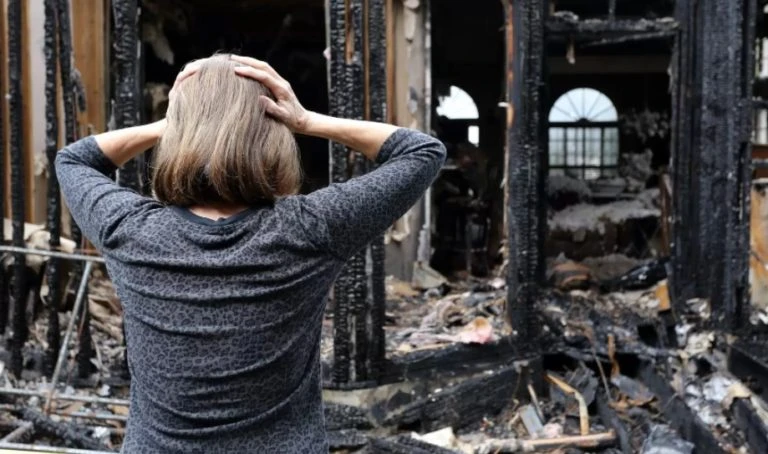
Disasters can strike unexpectedly, causing significant damage to homes and properties. Emergency disaster restoration is the immediate response required to minimize further destruction and begin the recovery process. Whether it is fire, water damage, storms, or other natural disasters, taking the right steps immediately can help ensure safety and facilitate restoration.
Knowing what to do first after a disaster is critical for a smooth recovery process.
1. Prioritizing Safety First
The safety of all occupants should be the top concern following a disaster. Before taking any restoration steps, it is essential to assess whether the environment is safe.
- If the property has been affected by fire, gas leaks, or structural damage, evacuate immediately.
- Wait for clearance from emergency personnel before re-entering the property.
- Look for hazards such as exposed electrical wiring, unstable structures, and contaminated water sources.
- Ensure all household members and pets are accounted for and safe.
2. Contact Emergency Services
Depending on the type of disaster, different emergency services may need to be contacted for immediate assistance.
- Fire departments should be contacted in case of fire-related damage.
- Utility companies should be alerted if power lines or gas lines are affected.
- Local emergency management authorities can provide guidance on safe sheltering and disaster response resources.
- If injuries have occurred, medical assistance should be sought immediately.
3. Documenting the Damage
Proper documentation of the damage is essential for insurance claims and future restoration efforts.
- Take clear photographs and videos of all affected areas, including interior and exterior damage.
- Make an inventory of damaged belongings, noting their condition before and after the disaster.
- Keep copies of emergency response reports and other relevant documentation.
- If possible, gather witness accounts or testimonies that could be useful for insurance claims.
4. Securing the Property
Preventing further damage is crucial in the early stages of disaster restoration.
- Cover broken windows, doors, and openings with temporary barriers such as plywood or plastic sheeting.
- If the roof has been compromised, place a tarp over it to prevent water intrusion.
- Turn off utilities, including electricity and water, to reduce the risk of fire or flooding.
- Move undamaged or salvageable belongings to a secure location.
5. Beginning Initial Cleanup
Once the property has been secured, the cleanup process should begin to prevent secondary damage.
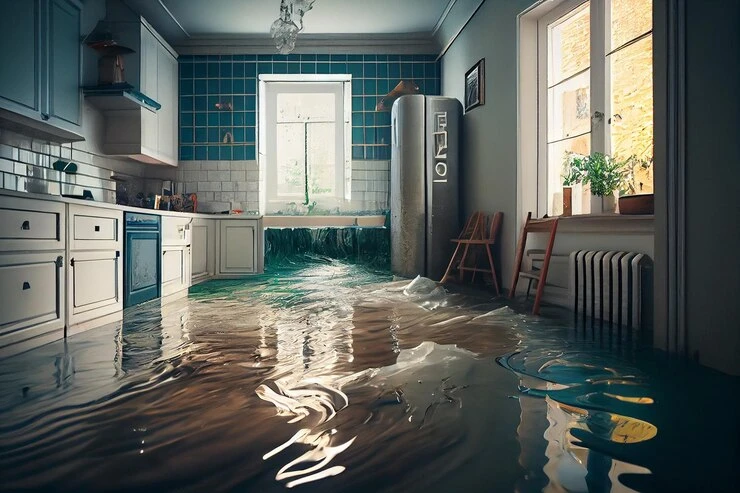
- Remove standing water immediately using pumps or wet vacuums to reduce the risk of mold growth.
- Discard irreparable and contaminated items, including furniture, drywall, and insulation.
- Improve ventilation by opening windows and doors to dry out damp areas.
- Use protective gear such as gloves, masks, and boots when handling hazardous materials.
6. Salvaging and Protecting Valuables
Efforts should be made to recover and protect valuable or sentimental items that can be restored.
- Separate salvageable items from those beyond repair.
- Use air drying or professional restoration techniques for water-damaged documents, photographs, and electronics.
- Store important documents in waterproof and fire-resistant containers.
- Sanitize and disinfect items that have been exposed to contaminants.
7. Contacting Insurance Provider
Filing an insurance claim promptly can expedite the recovery process.
- Contact the insurance company as soon as possible to report the damage.
- Provide all necessary documentation, including photos, videos, and itemized lists.
- Follow the insurer’s guidelines regarding temporary repairs and restoration services.
- Keep records of all correspondence related to the claim.
8. Preventing Mold and Water Damage
If water damage has occurred, immediate action is necessary to prevent mold growth.
- Use dehumidifiers and fans to dry the area quickly.
- Remove soaked carpets, drywall, and insulation to eliminate moisture retention.
- Clean and disinfect affected surfaces to prevent bacterial growth.
- Monitor for any signs of mold over the following weeks and address them promptly.
9. Seeking Professional Restoration Services
While some cleanup can be handled independently, professional disaster restoration services offer expertise and advanced equipment for thorough recovery.
- Specialists can assess structural damage and provide solutions for repairs and reconstruction.
- Professional-grade equipment can be used for water extraction, smoke removal, and odor control.
- Restoration services often include mold remediation, deep cleaning, and sanitation of affected areas.
- Professionals can also assist with navigating the insurance claims process.
10. Planning for Future Disaster Preparedness
Preparation is key to minimizing damage in future disasters
- Create an emergency plan that includes evacuation routes and communication strategies.
- Keep an emergency kit with essentials such as flashlights, batteries, first-aid supplies, and important documents.
- Regularly inspect and maintain the property to identify potential vulnerabilities.
- Consider investing in protective measures such as storm shutters, sump pumps, and fire-resistant materials.
- Educate family members on safety procedures to follow during emergencies.
Frequently Asked Questions (FAQ)
1. What should I do immediately after a disaster?
Ensure personal safety, assess the extent of the damage, and contact emergency services. Secure the property and document the damage for insurance purposes before beginning cleanup.
2. How can I prevent mold after water damage?
Dry affected areas as quickly as possible using fans and dehumidifiers. Remove water-soaked materials and disinfect all surfaces to prevent mold and bacterial growth.
3. Is it safe to clean up after a disaster by myself?
For minor damage, basic cleanup may be manageable, but significant disasters require professional restoration services. Certain hazards, like mold, contaminated water, and structural damage, necessitate expert handling.
4. How long does disaster restoration take?
The duration depends on the severity of the damage. Minor repairs can take days, while major restoration efforts may last several weeks or months.
5. How do I know if my home is safe to enter?
Wait for clearance from emergency responders or a structural assessment before re-entering. Look for signs of instability, gas leaks, or exposed electrical hazards.
6. What items should I prioritize salvaging?
Important documents, electronics, valuables, and sentimental items should be secured first. Using waterproof and fire-resistant storage solutions can help protect these items in the future.
7. What should I do if my insurance claim is denied?
Review the policy details, gather additional documentation, and request a reassessment. If necessary, seek professional assistance to navigate the claims process.
8. How can I better prepare for future disasters?
Develop an emergency preparedness plan, maintain an emergency supply kit, and reinforce the property’s structural integrity. Regular maintenance and inspections can help prevent severe damage.
Conclusion
Recovering from a disaster relief florida can be an overwhelming process, but taking the right steps can make a significant difference. Prioritizing safety, securing the property, and documenting damage are crucial for a smooth recovery. While initial cleanup efforts can be undertaken independently, seeking professional disaster restoration services ensures thorough repairs and mitigation of future risks. By being proactive in disaster preparedness, homeowners can safeguard their property and loved ones from future emergencies. Taking the time to plan and act wisely can turn a devastating event into a manageable recovery process.

























Sign in to leave a comment.