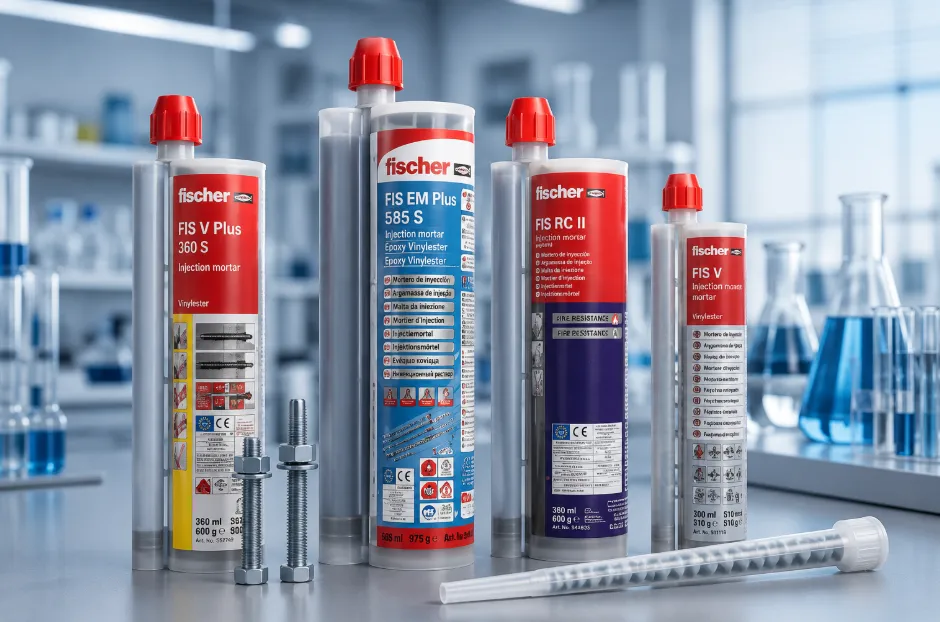

A laboratory team completes a familiar test following the same method it has used many times before. The equipment passes its calibration checks. The analyst prepares the sample carefully. Yet the result falls outside the expected range.
The team repeats the test, but the variation remains.
When this happens, laboratories often check the instrument, the sample and the analyst first. The chemical used in the process may receive attention much later. However, its purity, grade, storage condition, and consistency can influence the result from the moment sample preparation begins.
This is why selecting suitable Laboratory Chemicals is not just a purchasing decision. It is part of the method control.
As laboratories handle more sensitive instruments, lower detection limits, and stricter quality requirements, the chemicals behind each test deserve closer attention. Fisher Chemical supports this need through a broad range of reagents, acids, solutions, and high purity solvents designed for different laboratory applications.
Reliable analysis starts before an instrument displays a number. It starts with everything that enters the method.
Every Reliable Result Has a Chemical Foundation
Laboratory instruments often receive most of the attention because they generate the final reading. Yet an instrument only measures what the laboratory introduces into the system.
A test result depends on the sample, the preparation method, the analyst, the equipment, the environment, and the Chemical Reagents used throughout the process. Weakness in any one of these areas can affect the final outcome.
Consider a simple sample preparation procedure. The analyst may use an acid to digest the sample, a solvent to extract a compound or a reagent to produce a measurable reaction. If that chemical contains an interfering impurity, the instrument may detect more than the target substance.
This can lead to several problems.
The laboratory may observe an unstable baseline, an unexpected peak, a high blank reading, poor recovery, or inconsistent reaction behaviour. Teams may then spend hours inspecting equipment and repeating samples without immediately recognising that the chemical introduced the variation.
This does not mean every unexpected result comes from the reagent. It means laboratories should treat chemical quality as part of the complete measurement system.
The correct name is not enough.
Two chemicals can carry the same name but serve very different analytical needs.
A routine reagent may work well for basic preparation or general laboratory use. The same grade may not suit high performance liquid chromatography, mass spectrometry, or trace metal analysis.
The correct choice depends on the method.
For example chromatographic analysis requires solvents that minimise unwanted peaks and background signals. Trace elemental testing needs acids with extremely low levels of metallic contamination. Spectrophotometric methods may require reagents with controlled optical properties.
Selecting a product only by chemical name ignores these differences.
The laboratory should also consider purity, specification, grade, test method, detection limit, packaging, and documentation. These factors shape Laboratory Performance because they affect accuracy, sensitivity, precision and repeatability.
At the same time, laboratories should avoid automatically choosing the most expensive or highest purity option for every task. A very high purity chemical may offer little practical benefit in a routine method that does not require it.
The better question is simple. What chemical quality does this particular method need?
Once a laboratory answers that question, it can choose chemicals with purpose rather than assumption.
Consistency Protects the Method from Unnecessary Variation
A dependable analytical method should produce comparable results when trained analysts follow it under controlled conditions. However, reagent variation can make a stable method appear unreliable.
Imagine a quality control laboratory that performs the same chromatographic test each day. One week, the baseline remains clean and the peaks separate clearly. The following week analysts notice small unidentified peaks and increased background noise.
The instrument has not changed. The column remains suitable. The preparation process appears correct.
Could a new solvent lot be contributing to the change?
This question matters because small variations in Laboratory Chemicals may become visible in sensitive analytical systems. When laboratories use chemicals with controlled specifications and application appropriate purity, they reduce one preventable source of uncertainty.
A broad range supports better method matching.
Official Thermo Fisher material states that the Fisher Chemical portfolio contains more than 5,000 chemicals, including dry reagents, acids, solutions, and high purity solvents. The range supports routine laboratory work as well as chromatography, trace elemental analysis, toxicology, proteomics, and environmental testing.
The value of this range does not come from the number alone. It comes from the ability to match different chemicals to different workflows.
A laboratory may need a general analytical reagent for one method and a highly controlled solvent for another. Using one grade across every application may appear convenient, but it can create technical problems or unnecessary costs.
This becomes especially important in chromatography.
Chemical purity can directly influence separation performance. Thermo Fisher guidance for ion chromatography notes that high purity chemicals help laboratories obtain consistent and accurate results by reducing ionic and electrochemically active impurities. Low levels of trace impurities and particles can also help protect columns and system components.
In practical terms, a suitable solvent can support a cleaner baseline, clearer peak identification and more dependable integration. It cannot fix a damaged column, poor calibration or incorrect sample preparation. Still, it removes one important variable from the investigation.
That distinction matters.
Good Chemical Reagents do not replace trained analysts or controlled methods. They give both a more dependable starting point.
Documentation Makes Results Easier to Defend
Producing a result is only one part of laboratory work. In many industries, the laboratory must also show how it produced that result.
Which product did the analyst use?
Which lot entered the method?
Did the chemical meet the required specification?
Was it within its accepted use period?
Did the laboratory store it under the correct conditions?
These questions become especially important during audits, investigations, method transfers, and regulatory reviews.
This is where documentation contributes directly to Laboratory Reliability.
A chemical container should connect to supporting information such as the product specification, lot number, certificate of analysis, safety data sheet, storage guidance, and relevant purity details. Together, these records help the laboratory build a traceable history of the test.
Traceability turns assumptions into evidence
Suppose a laboratory notices a gradual rise in blank readings over several analytical runs Without detailed records, the investigation may depend on memory.
The team may know that it opened a new bottle recently, but it may not know the lot number or when the bottle entered routine use. Analysts might repeat the method several times before isolating the issue.
With clear traceability, the process becomes more focused.
The laboratory can compare reagent lots, review certificates, inspect storage records, prepare a blank using a fresh bottle and examine whether the chemical contributed to the change. Even when the reagent is not the cause, traceability helps eliminate it from the investigation with greater confidence.
This approach aligns with the broader principles of laboratory quality systems.
ISO describes ISO/IEC 17025 as the international standard for testing and calibration laboratories. The standard helps laboratories demonstrate competent operation and the ability to generate valid results. It also supports confidence in laboratory work across organisations and countries.
Using Fisher Chemical products does not automatically make a laboratory compliant with ISO/IEC 17025. Compliance depends on the complete system, including trained personnel, controlled methods, calibrated equipment, record keeping, sampling practices and quality checks.
However, clearly specified and traceable chemicals can support that system. They make it easier to document what entered the method and investigate what may have influenced the result.
This is an important difference. A recognised chemical brand can support quality, but the laboratory must still manage quality actively.
Greater Instrument Sensitivity Raises the Standard for Purity
Modern analytical instruments can detect substances at extremely low concentrations. This capability helps laboratories identify contaminants, impurities, metals and residues that older methods may not have measured clearly.
It also creates a new challenge.
As detection limits fall, small sources of contamination become more visible.
A trace amount of an element in an acid, solvent, container, pipette, or preparation surface may affect the result. In routine testing, that amount may remain insignificant. In parts per billion or parts per trillion analysis, it may become a meaningful part of the measurement.
This is why chemical grade matters so much in trace analysis.
Low concentration testing leaves little room for contamination.
Environmental laboratories may test water, soil, or industrial samples for very low levels of metals. Pharmaceutical laboratories may investigate elemental impurities. Food laboratories may measure contaminants, while material testing facilities may evaluate the chemical composition of specialised products.
In each case, the laboratory needs to distinguish what came from the sample from what entered during preparation.
Thermo Fisher states that certain Fisher Chemical high purity acids and bases are certified below one part per billion. It also specifies key impurities at 0.1 parts per billion, while controlling most impurities at 0.5 parts per billion or lower. The company states that its Trace Metal Grade acids are tested for as many as 65 elements through ICP MS.
These figures matter because they give laboratories clearer information about potential elemental contamination.
Consider a laboratory testing drinking water for trace metals. The analyst uses acid to preserve or digest the sample before analysis. If the acid contains a measurable level of the target metal, the blank reading may rise.
A high blank can make low concentration results harder to interpret. It may also affect the laboratory’s practical reporting limit.
Selecting a suitable high purity acid can support cleaner preparation and reduce the chance that the reagent will contribute a significant signal. However, the laboratory must still control every other possible source of contamination, including vessels, water quality, handling practices, calibration solutions, and the testing environment.
The chemical works as one part of the system not as a shortcut around proper practice.
Better Reagent Control Can Save More Than a Test Result
Laboratory efficiency often gets measured through the number of samples processed. Yet sample volume tells only part of the story.
A laboratory may complete many runs while also repeating blanks, remaking standards, investigating unexplained peaks and rerunning failed samples. This activity keeps people and instruments busy, but it does not always create useful output.
Preventable rework affects more than productivity.
It consumes chemicals, sample material, analyst hours, instrument capacity and sometimes limited reference standards. It may also delay manufacturing decisions, research timelines, regulatory submissions, or customer reports.
Appropriate Laboratory Chemicals can help reduce these risks by supporting stable preparation and more consistent analytical conditions.
Standardisation creates practical reliability.
Laboratories can strengthen chemical control by linking approved products and grades directly to each method.
An approved chemical list may include the required grade, product specification, accepted supplier, storage conditions, use period, documentation requirements, and suitable alternatives.
This prevents analysts or procurement teams from selecting a product only because it has the correct chemical name or a lower purchase price.
Price still matters, but the laboratory should consider the total cost of use.
A cheaper reagent that causes repeated tests or extended investigations may cost far more than its purchase price suggests. In contrast, the highest grade is not always the most economical choice either.
Smart selection means matching the reagent to the technical need.
Laboratories should also inspect chemicals when they arrive, record lot details where required, store them correctly, monitor expiry or retest dates and protect high purity products from contamination after opening.
Even the best chemical can lose its value through poor handling.
Practical Ways to Improve Chemical Control
Laboratories can improve Laboratory Performance and consistency by taking a few focused steps
- Match each chemical grade to the analytical method and detection limit.
- Review specifications before approving a reagent for routine use.
- Check certificates of analysis and lot details when the method requires traceability.
- Use chromatography and trace analysis grades where instrument sensitivity demands them.
- Record approved Chemical Reagents in methods or standard operating procedures.
- Follow the stated storage and handling conditions.
- Monitor expiry dates, use periods and signs of contamination.
- Keep high purity chemicals protected from routine laboratory exposure.
- Review reagent lots when baselines, blanks, recoveries, or reaction behaviour change.
- Train purchasing teams to consider technical suitability as well as cost.
- Maintain suitable backup stock for critical and time sensitive methods.
- Reassess chemical suitability when transferring a method to another laboratory or instrument.
These practices may appear basic, but laboratories often build reliability through basic controls applied consistently.
The Instrument Can Only Analyse What the Laboratory Gives It
An advanced instrument can detect extremely small differences, process complex samples and produce detailed data. Yet it cannot decide whether the laboratory selected the correct reagent, stored it properly, or protected it from contamination.
That responsibility remains with the people managing the method.
Fisher Chemical supports laboratories through a wide range of application specific Chemical Reagents, including options for routine analysis, chromatography, and highly sensitive elemental testing. Suitable grades and supporting documentation can help laboratories reduce interference, improve consistency, and investigate unexpected results more effectively.
Still, chemical quality creates value only when the laboratory chooses and manages it correctly.
The strongest approach connects product selection with method requirements, documentation, storage, handling and ongoing performance review. That is how laboratories turn a container on a shelf into a controlled part of the analytical process.
As instruments become faster and more sensitive, laboratory teams should ask a practical question.
Are we giving the chemicals entering the method the same attention as the equipment producing the result?
The answer may reveal one of the simplest opportunities to strengthen Laboratory Reliability.




























Sign in to leave a comment.