Walk onto any busy construction site, fabrication workshop, or maintenance facility today, and you will notice one thing immediately. Cordless tools are everywhere. Professionals no longer want to deal with extension cords, limited mobility, or the downtime that comes with shifting power sources from one location to another.
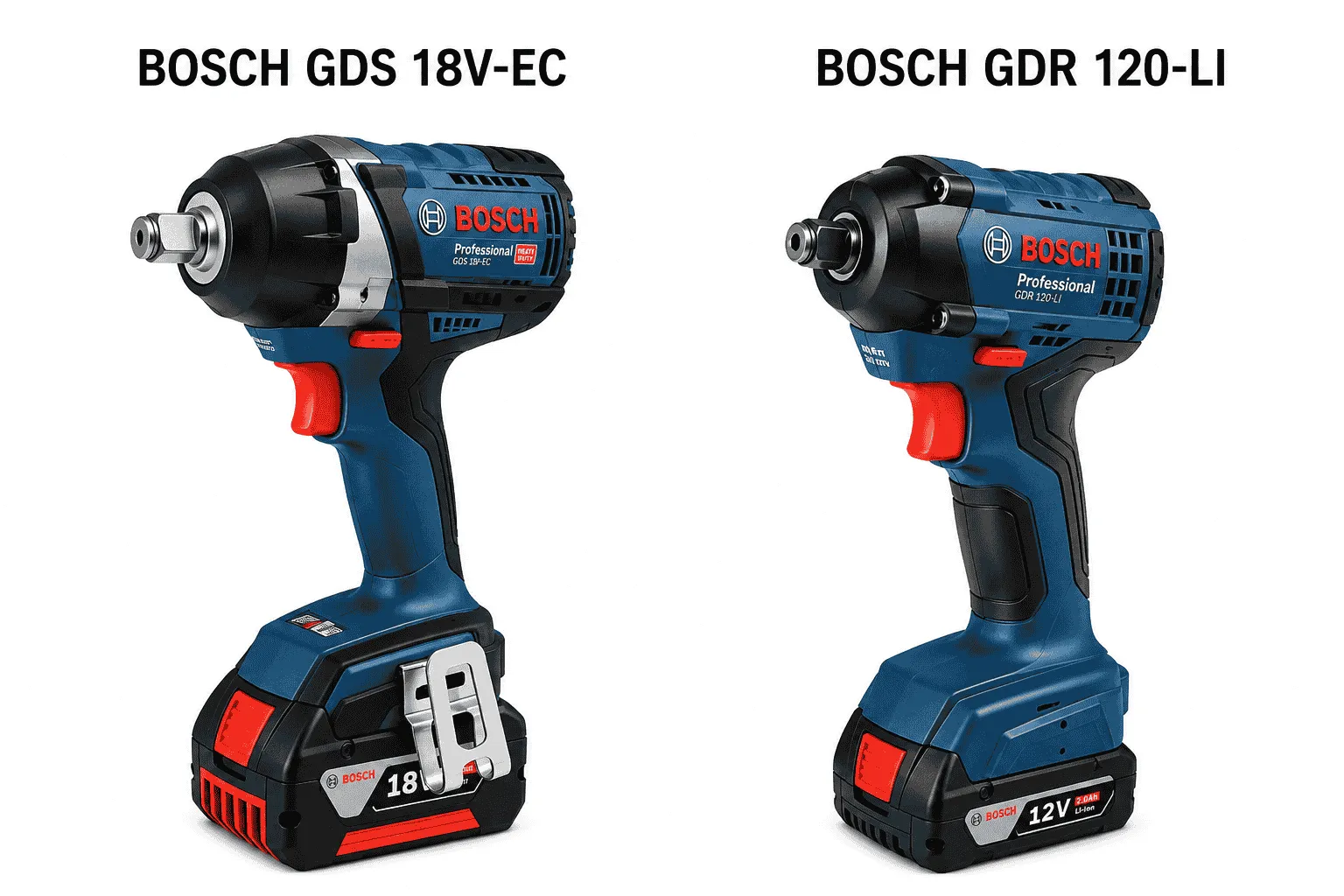
Now imagine you are preparing to invest in a new fastening tool. You come across two popular options, the bosch gds 18v ec and the bosch gdr 120 li. At first glance, both look compact, powerful, and built for professional use. Yet they are designed for very different jobs.
This is where many buyers get stuck. Should you choose a cordless impact wrench or an impact driver bosch professionals trust for everyday fastening work? Which tool delivers better value for your specific applications? And more importantly which one will improve productivity instead of sitting unused in the toolbox?
The answer lies in understanding what these tools are built to do. Once you know that, the choice becomes much clearer.
The Difference Most Buyers Overlook
Before comparing torque figures, battery platforms, or design features, it helps to understand one simple fact. An impact wrench and an impact driver are not the same tool.
A cordless impact wrench focuses on tightening and loosening nuts and bolts. It generates high torque and works with sockets making it ideal for mechanical fastening tasks.
An impact driver bosch users rely on, on the other hand, is designed primarily for driving screws and smaller fasteners. It combines rotational force with impact action, helping users drive screws efficiently into various materials.
This difference may sound small, but it changes everything.
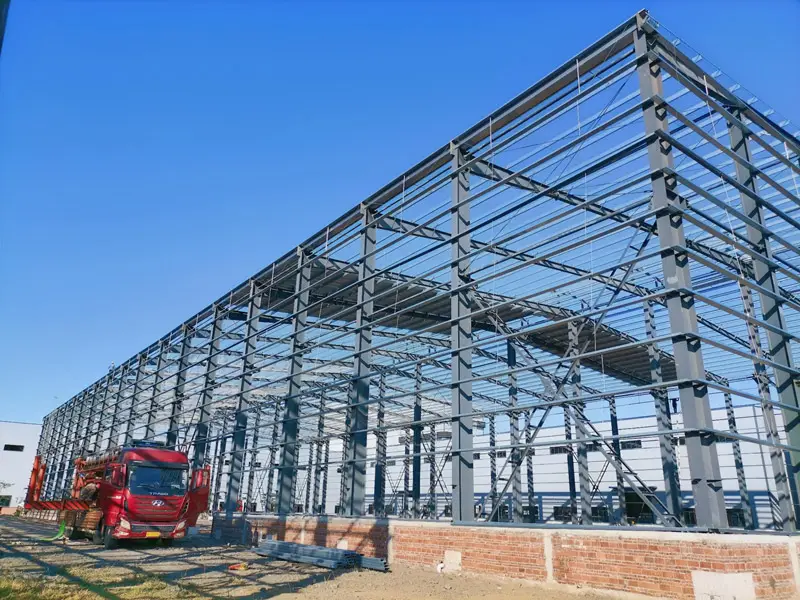
Think about a steel structure installation project. Workers spend hours fastening heavy bolts that require significant torque. In this situation, an impact wrench becomes the natural choice.
Now consider an interior contractor installing cabinets, drywall supports, fixtures, or wooden frames. The work involves hundreds of screws rather than large bolts. An impact driver becomes the more practical solution.
This distinction matters even more in 2026 when productivity expectations continue to rise across industries, teams are under pressure to complete projects faster while maintaining quality and safety standards at the same time.
Choosing the right tool is no longer just about convenience. It directly affects efficiency, worker comfort, and project outcomes.
When Strength Matters Most
The bosch gds 18v ec belongs to the category of professional impact wrenches. It is designed for applications where fastening strength is a priority.
One of its defining features is its 1/2 inch square drive, which allows users to attach sockets for tightening and loosening bolts and nuts. Bosch specifies a fastening torque of up to 250 Nm for this model placing it firmly in the professional fastening category.
Why does this matter?
Because many industrial and construction applications demand more than simple screw driving. Structural steel installations, mechanical assembly work, heavy equipment maintenance and automotive servicing often require substantial fastening force.
Imagine servicing machinery in a manufacturing plant. Bolts may have remained under load for months or even years. Removing them manually consumes time and effort. An impact wrench provides the torque needed to break resistance quickly and safely.
The same principle applies in solar projects. As solar adoption continues to expand globally, installation teams frequently work with mounting structures secured by numerous bolts. According to reports from the International Energy Agency, renewable energy installations continue to grow worldwide, creating increasing demand for efficient fastening solutions across the sector.
This is where the bosch gds 18v ec proves valuable.
Its design focuses on power delivery, helping professionals complete fastening tasks more efficiently while reducing physical strain.
Yet power alone does not define productivity. In many situations, a different type of tool offers a better solution.
Why Compact Tools Often Deliver Bigger Results
Not every project requires maximum torque.
In fact, many professionals spend more time driving screws than tightening large bolts. This is where the bosch gdr 120 li enters the picture.
Unlike an impact wrench, this tool focuses on versatility and ease of use. It features a 1/4 inch hex chuck designed specifically for screwdriver bits and fastening accessories.
Bosch rates the bosch gdr 120 li at up to 100 Nm of torque, which is more than enough for a wide range of installation and assembly tasks.
At first glance, some users may see the lower torque rating and assume it is less capable. In reality, it is simply designed for different work.
Think about overhead installations. Electricians, HVAC technicians, furniture installers, and maintenance professionals often hold tools above shoulder height for extended periods.
In these situations, weight and handling become extremely important.
A lighter, compact impact driver reduces fatigue and improves manoeuvrability. Users can work in tight corners, narrow spaces, and confined installation areas without sacrificing control.
Occupational safety organisations such as OSHA consistently highlight the importance of ergonomics in reducing worker strain and repetitive stress injuries. The right tool contributes not only to productivity but also to long term comfort.
This is one reason why impact drivers have become a staple across modern job sites.
Their ability to drive hundreds of screws efficiently makes them indispensable for tasks such as
- Furniture assembly
- Electrical installations
- Drywall support systems
- Cabinet fitting
- Interior finishing work
- General maintenance projects
The result is a tool that delivers speed and flexibility where high torque is not the primary requirement.
Looking Beyond Specifications
When comparing bosch professional impact tools, many buyers immediately focus on specifications.
Torque numbers grab attention. Battery voltage attracts interest. Speed ratings often become the deciding factor.
Yet experienced professionals know that productivity depends on application rather than specifications alone.
Consider two different scenarios.
In an automotive workshop, technicians frequently remove wheel nuts and mechanical fasteners. Here, the bosch gds 18v ec becomes the logical choice because it provides the torque necessary for demanding fastening applications.
Now move to a commercial interior project.
Workers install partitions, fittings, electrical fixtures, and cabinets throughout the day. They drive hundreds of screws across multiple work areas. The bosch gdr 120 li offers greater efficiency because it is optimised for repetitive fastening work.
The lesson is simple.
More power does not automatically mean better performance.
The best tool is the one that matches the task.
Professional teams understand this principle well. Many own both an impact wrench and an impact driver because each serves a unique role within the workflow.
Rather than replacing one another, these tools complement each other.
A maintenance department may use an impact wrench for equipment servicing and an impact driver for assembly work. A solar installation team may rely on an impact wrench for structural fastening while using an impact driver for secondary installations.
When viewed this way, the comparison becomes less about choosing a winner and more about identifying the right fit.
Choosing Smarter in 2026
The cordless tool market continues to evolve rapidly.
Advances in lithium-ion battery technology have improved runtime, charging speed, and energy density. These improvements have accelerated adoption across construction, manufacturing, infrastructure, and renewable energy sectors.
Another factor influencing purchasing decisions is battery compatibility.
Bosch’s professional 18V ecosystem allows users to share batteries across multiple compatible tools. For businesses managing larger tool inventories, this creates operational advantages by reducing the number of chargers and spare batteries required.
As a result, selecting a fastening tool should involve more than comparing model names.
Before purchasing, ask a few practical questions.
Will you primarily work with bolts or screws?
Do your projects involve mechanical fastening or installation work?
Will you spend hours using the tool each day?
Do you often work in confined spaces?
Are ergonomics and portability important to your workflow?
The answers usually point toward the correct solution.
Professionals who regularly tighten and loosen bolts should strongly consider the bosch gds 18v ec.
Those focused on driving screws and handling general installation tasks will likely benefit more from the bosch gdr 120 li.
Understanding your application remains the most reliable buying strategy.
Common Mistakes That Lead to Buyer Regret
Many purchasing decisions go wrong because buyers focus on marketing language rather than actual requirements.
One common mistake is assuming that an impact driver can replace an impact wrench in every situation.
While an impact driver handles many fastening jobs effectively, it is not designed for heavy bolt fastening applications that demand high torque.
Another mistake involves buying solely based on torque figures.
Higher torque sounds impressive, but if your work primarily involves screws, carrying a larger, heavier tool may reduce comfort and efficiency.
Some buyers also overlook ergonomics.
A tool used daily should feel comfortable in the hand. Good balance, manageable weight, and ease of control often influence productivity more than raw specifications.
The most successful tool investments happen when buyers evaluate their work environment first and product features second.
The Right Tool Creates Better Results
The comparison between the bosch gds 18v ec and bosch gdr 120 li reveals an important truth about modern power tools.
Neither tool is universally better.
Each excels within its intended application.
The cordless impact wrench delivers the strength required for demanding bolt fastening tasks. The impact driver bosch professionals choose provides speed, precision, and convenience for everyday fastening work.
As industries continue to prioritise efficiency, safety, and productivity, selecting tools based on actual job requirements becomes increasingly important.
The next time you compare bosch professional impact tools, pause before looking at specifications alone.
Instead, think about the work you perform every day.
Are you tightening bolts that demand serious torque, or are you driving fasteners where speed and control matter most?
The answer to that question will guide you toward the tool that creates better results, saves valuable time, and supports productivity long after the purchase is made.




![The Benefits of Using a CNC Touch Probe [Infographic]](https://writeupcafe.com/data/post/1677697/bfdf3e040e67936848aa232d2dfe3d03.jpg.webp)







Sign in to leave a comment.