
Saudi Arabia continues expanding its infrastructure across transportation hubs, industrial zones, government compounds, military facilities, border checkpoints, oil and gas plants, and smart city projects. As vehicle movement increases across these critical environments, security teams are facing growing pressure to improve screening efficiency without compromising safety.
Traditional checkpoint operations often struggle to manage high vehicle volumes while maintaining accurate inspections. Long queues, delayed vehicle approvals, inconsistent inspections, and operational bottlenecks are becoming common challenges across many facilities.
At the same time, modern security threats involving hidden explosives, contraband, unauthorized devices, and concealed modifications beneath vehicles continue to evolve. Manual inspection methods are no longer sufficient for environments requiring rapid screening and high-security monitoring.
Organizations now require systems capable of performing faster inspections while improving accuracy, flexibility, and operational coordination.
This growing demand for intelligent screening solutions is driving the adoption of portable under vehicle inspection technologies integrated with License Plate Recognition systems across Saudi Arabia.
Why Traditional Vehicle Screening Methods Create Delays
Many facilities still rely heavily on manual inspection procedures to screen incoming vehicles.
Security personnel often perform visual inspections using mirrors or flashlights while manually recording vehicle details. Although these methods may appear simple, they create major operational limitations in modern high-traffic environments.
Common problems associated with traditional vehicle screening include:
- Slow inspection procedures
- Long vehicle queues at checkpoints
- Human error during inspections
- Inconsistent threat detection
- Limited visibility beneath vehicles
- Delayed access approvals
- Increased operational workload for security teams
In busy facilities such as airports, industrial sites, government buildings, and military compounds, these inefficiencies can significantly reduce operational performance.
Facilities handling large volumes of vehicles now require faster and more intelligent screening systems capable of improving both traffic flow and threat detection accuracy.
Portable Inspection Technology Improves Screening Efficiency
Modern security operations require flexible systems capable of adapting quickly to changing operational demands.
Portable under vehicle inspection systems provide a practical solution by allowing security personnel to conduct detailed inspections without relying on permanent infrastructure installations. These systems are especially valuable for temporary checkpoints, mobile security deployments, remote facilities, and emergency operations.
One of the most effective portable solutions supporting modern operations is the under vehicle inspection system and FLEX HH 300 Saudi Arabia, which combines mobility, rapid deployment, and advanced undercarriage imaging for faster vehicle screening operations.
According to Commport Technologies, the FLEX-HH-300 was specifically developed as a lightweight portable under vehicle inspection kit designed for rapid deployment, tactical operations, and high-security environments requiring flexible vehicle screening capabilities.
This portability allows facilities to improve screening efficiency while maintaining strong inspection performance.
Faster Under Vehicle Inspections Reduce Operational Delays
One of the biggest challenges during manual vehicle inspections is the time required to inspect difficult-to-reach areas beneath vehicles.
Threats are often hidden in undercarriage compartments or concealed structural areas that cannot be inspected efficiently through traditional methods.
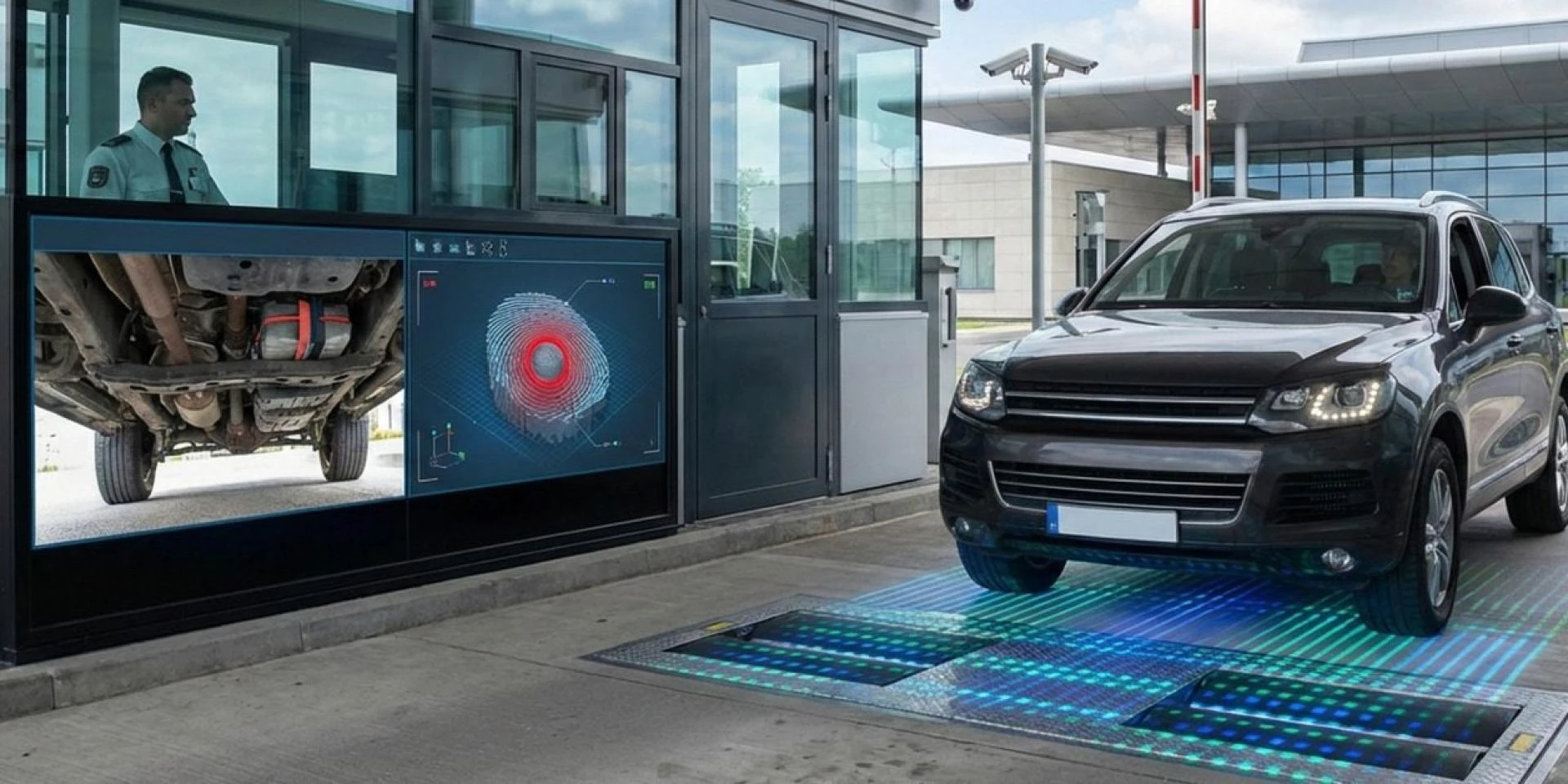
Portable inspection systems solve this challenge through high-resolution imaging and real-time visual inspection technology.
The FLEX HH-300 includes a dolly-mounted HD camera system equipped with LED illumination that provides clear visibility beneath vehicles during inspections. The system also includes a flexible pole-mounted camera capable of inspecting elevated or hard-to-reach areas such as cavities, shipping containers, overhead structures, and hidden compartments.
This improved visibility helps security personnel identify suspicious objects faster while reducing inspection times significantly.
Rapid Deployment Supports Mobile Security Operations
Many security operations across Saudi Arabia require screening systems that can be deployed quickly in temporary or changing environments.
Traditional fixed inspection systems often require permanent infrastructure, lengthy installations, and complex deployment planning. Portable systems eliminate these limitations by allowing operators to establish screening operations rapidly wherever needed.
The FLEX HH-300 portable inspection kit was specifically designed for perimeter security, tactical operations, border checkpoints, patrol line monitoring, and remote deployment environments where rapid setup and mobility are essential.
Its lightweight construction, rugged carrying case, and battery-powered operation improve operational flexibility while reducing deployment time during urgent security operations.
This mobility helps facilities respond faster to evolving security requirements without disrupting operations.
Integration with License Plate Recognition Systems
Modern vehicle screening operations require more than just visual inspections beneath vehicles.
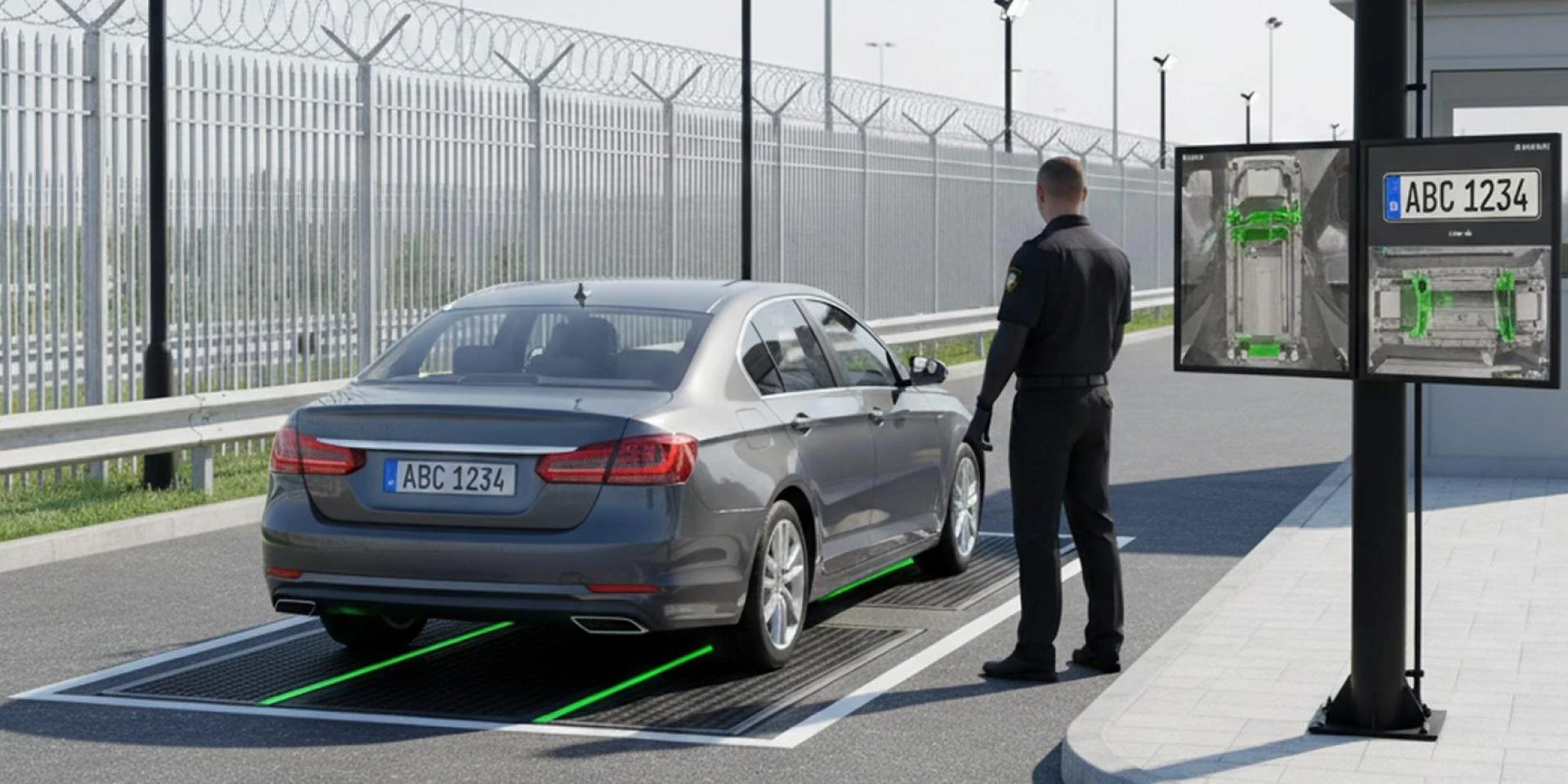
Security teams also need the ability to identify, verify, and monitor vehicles automatically in real time. This is why portable under vehicle inspection systems are increasingly integrated with License Plate Recognition technologies.
Integrated LPR systems automatically capture vehicle license plate information and compare it against security watchlists, access control systems, and centralized databases.
Commport Technologies is recognized as a trusted supplier of advanced LPR systems and under vehicle inspection solutions designed for high-security environments. Their UVIS platforms integrate seamlessly with access control systems, video management systems, and centralized command platforms to support unified vehicle monitoring operations.
This integration improves checkpoint efficiency by reducing manual verification procedures while strengthening vehicle tracking and access control.
AI-Assisted Threat Detection Improves Accuracy
Human error remains one of the biggest weaknesses in manual inspection operations.
Fatigue, traffic pressure, and inconsistent inspection procedures can increase the risk of missed threats during busy operational periods.
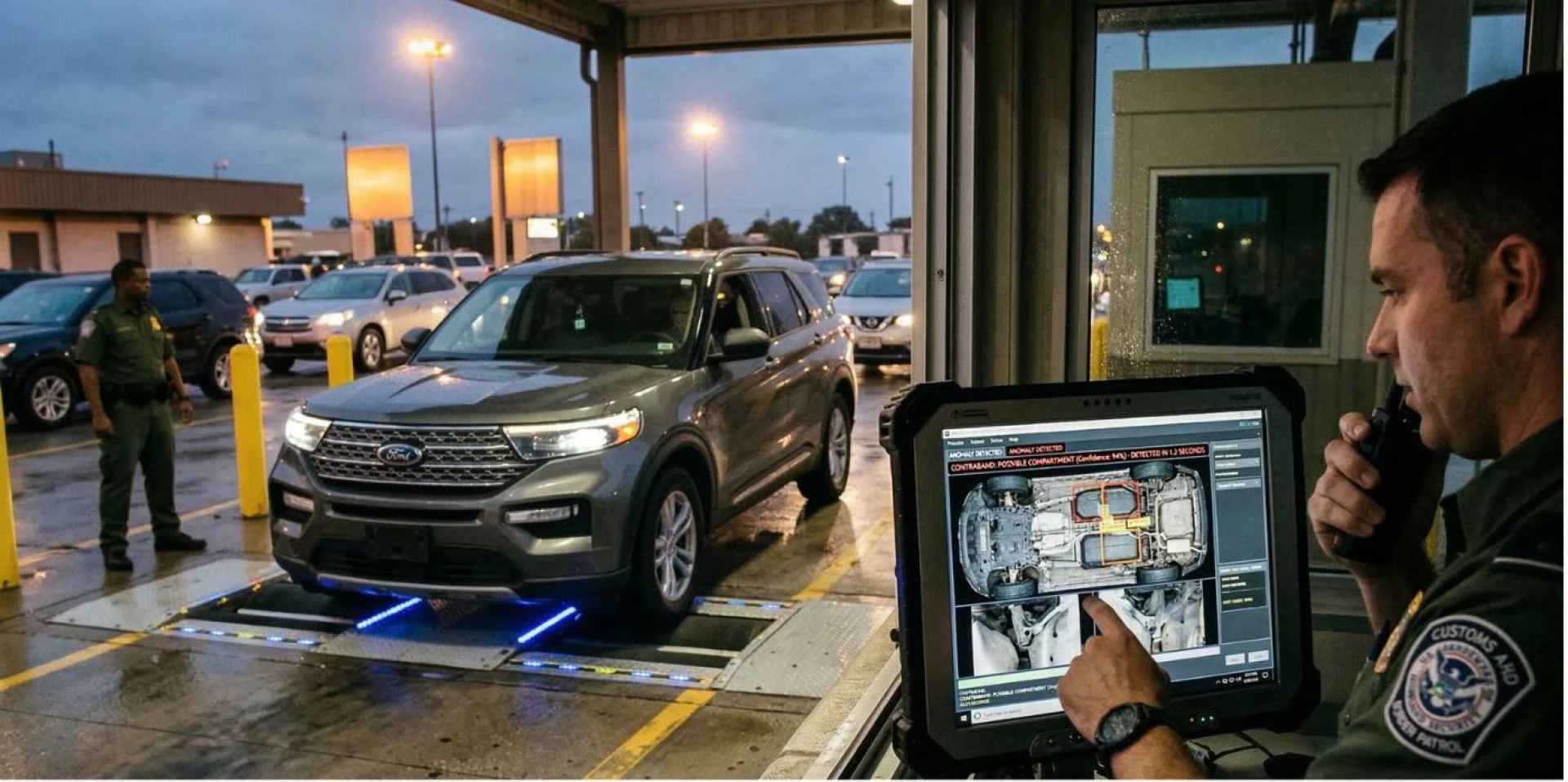
Modern UVIS technologies solve this challenge through AI-assisted anomaly detection and intelligent image analysis.
According to CPUVIS, advanced UVIS systems use intelligent analytical technology to compare real-time undercarriage scans with historical reference images. If suspicious modifications, foreign objects, or unusual structural changes are detected, operators receive immediate alerts for further investigation.
This automated analysis improves inspection consistency while helping operators identify threats more efficiently.
AI-assisted systems also reduce operator workload and improve decision-making during high-pressure security operations.
Designed for Harsh Saudi Arabian Conditions
Saudi Arabia’s operational environments often involve extreme heat, dust exposure, and remote industrial conditions.
Security systems deployed in these environments must remain reliable under continuous operational stress.
Commport’s UVIS technologies are engineered specifically for harsh operational environments and demanding industrial applications. Their systems are designed to function reliably in extreme temperatures and dusty conditions commonly found across desert and remote deployment environments.
The FLEX HH-300 also features ruggedized hardware and long battery life, making it suitable for extended mobile operations in difficult field conditions.
This durability helps facilities maintain uninterrupted screening operations in high-risk environments.
Faster Screening Improves Traffic Flow
One of the biggest operational concerns at checkpoints is balancing strong security with efficient traffic movement.
Manual inspections often create bottlenecks and vehicle congestion, especially during peak traffic periods.
Portable under vehicle inspection systems improve screening efficiency by enabling faster inspections without sacrificing inspection quality.
Integrated LPR systems further improve checkpoint throughput by automating vehicle identification and reducing manual processing requirements.
According to CPUVIS, integrated UVIS and LPR systems allow facilities to conduct high-speed vehicle inspections without disrupting traffic flow, making them ideal for locations handling large volumes of vehicles under strict security requirements.
This helps organizations maintain both operational efficiency and stronger security performance simultaneously.
Centralized Monitoring Strengthens Operational Control
Modern screening operations also require centralized digital record management and coordinated monitoring capabilities.
Integrated UVIS and LPR systems can securely store:
- Vehicle license plate records
- Undercarriage images
- Inspection timestamps
- Driver information
- Threat alerts
- Historical inspection data
This centralized database improves traceability and allows operators to retrieve records quickly during investigations or audits.
Commport’s integrated security ecosystem supports centralized database management and seamless integration with existing security infrastructure for improved operational coordination and monitoring.
This improves situational awareness while helping organizations manage multi-location screening operations more effectively.
The Future of Screening Operations in Saudi Arabia
As Saudi Arabia continues investing in smart infrastructure and advanced security modernization initiatives, intelligent screening technologies will become increasingly important for future operations.
Organizations now require systems capable of delivering:
- Faster inspections
- Rapid deployment
- Real-time threat detection
- Automated vehicle identification
- Flexible mobile operations
- AI-assisted anomaly detection
Portable under vehicle inspection systems integrated with License Plate Recognition technologies provide a scalable and intelligent solution for achieving these goals.
These systems help organizations improve security performance while enhancing traffic management, operational flexibility, and screening efficiency.
Conclusion
Modern security operations across Saudi Arabia require faster vehicle screening, stronger threat detection, and greater operational flexibility.
Traditional manual inspection methods often slow checkpoint operations, increase human error, and reduce inspection consistency in high-traffic environments.
Portable under vehicle inspection technology is solving these challenges by enabling rapid deployment, improved undercarriage visibility, faster inspections, and integrated vehicle identification capabilities.
Commport Technologies continues supporting advanced security operations through intelligent UVIS and LPR solutions designed for high-security environments requiring reliable, scalable, and efficient vehicle screening capabilities.


























Sign in to leave a comment.