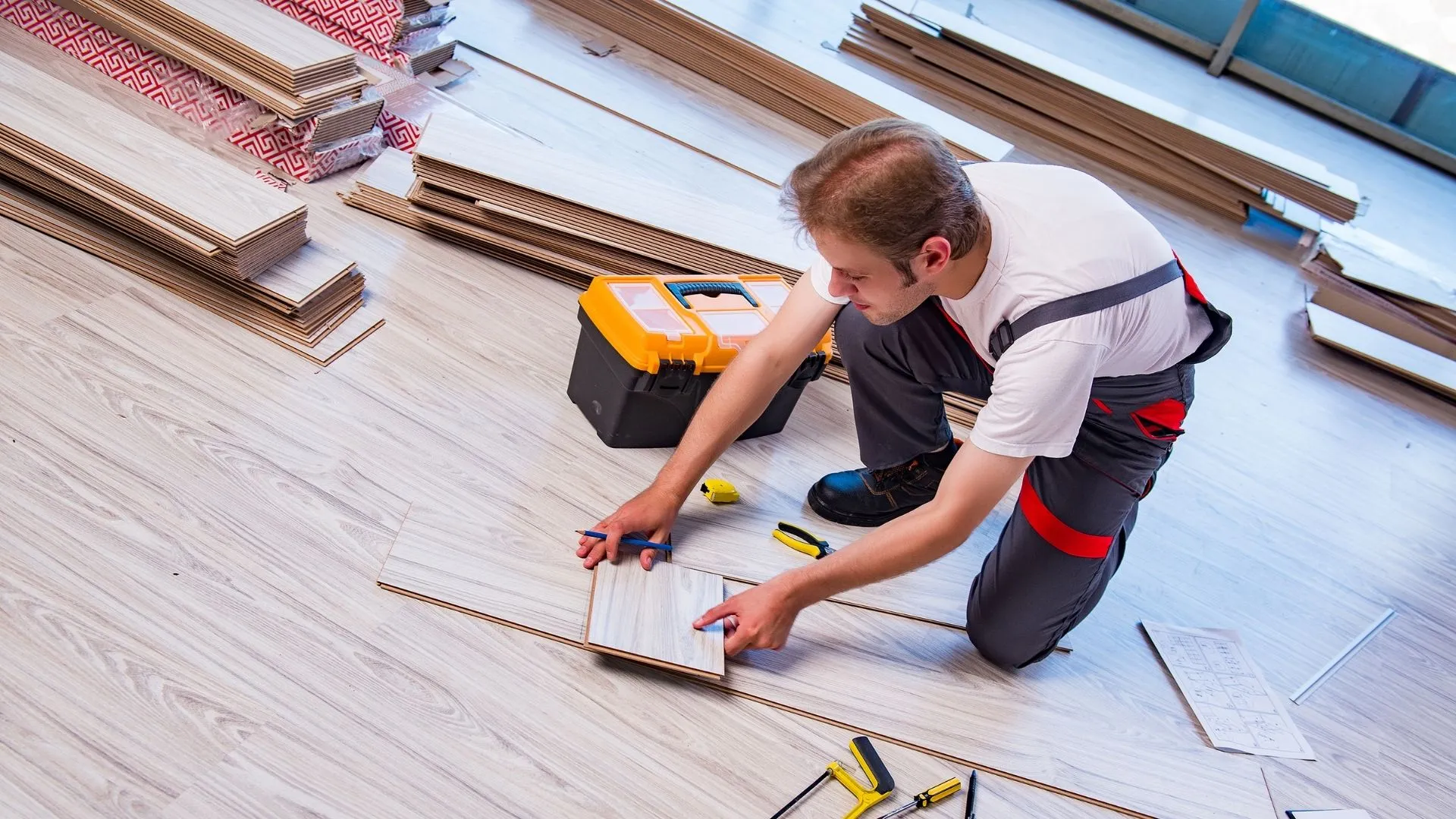

Flooring estimates in construction are done to calculate the total cost, quantity of required materials and labour to finish the flooring project. Accurate flooring estimate is very important because it helps builders and contractors to have a clear idea about how much money they will need and what materials to buy before they start working.
Contractors use flooring estimates to make bids and homeowners use them to compare prices and pick the best option. Some people also choose professional flooring estimating services to handle this process in an accurate and professional way. These services do all the steps carefully and help make sure the project does not cost more than you planned.
Key Steps for Flooring Estimates in Construction
Step 1: Site Analysis
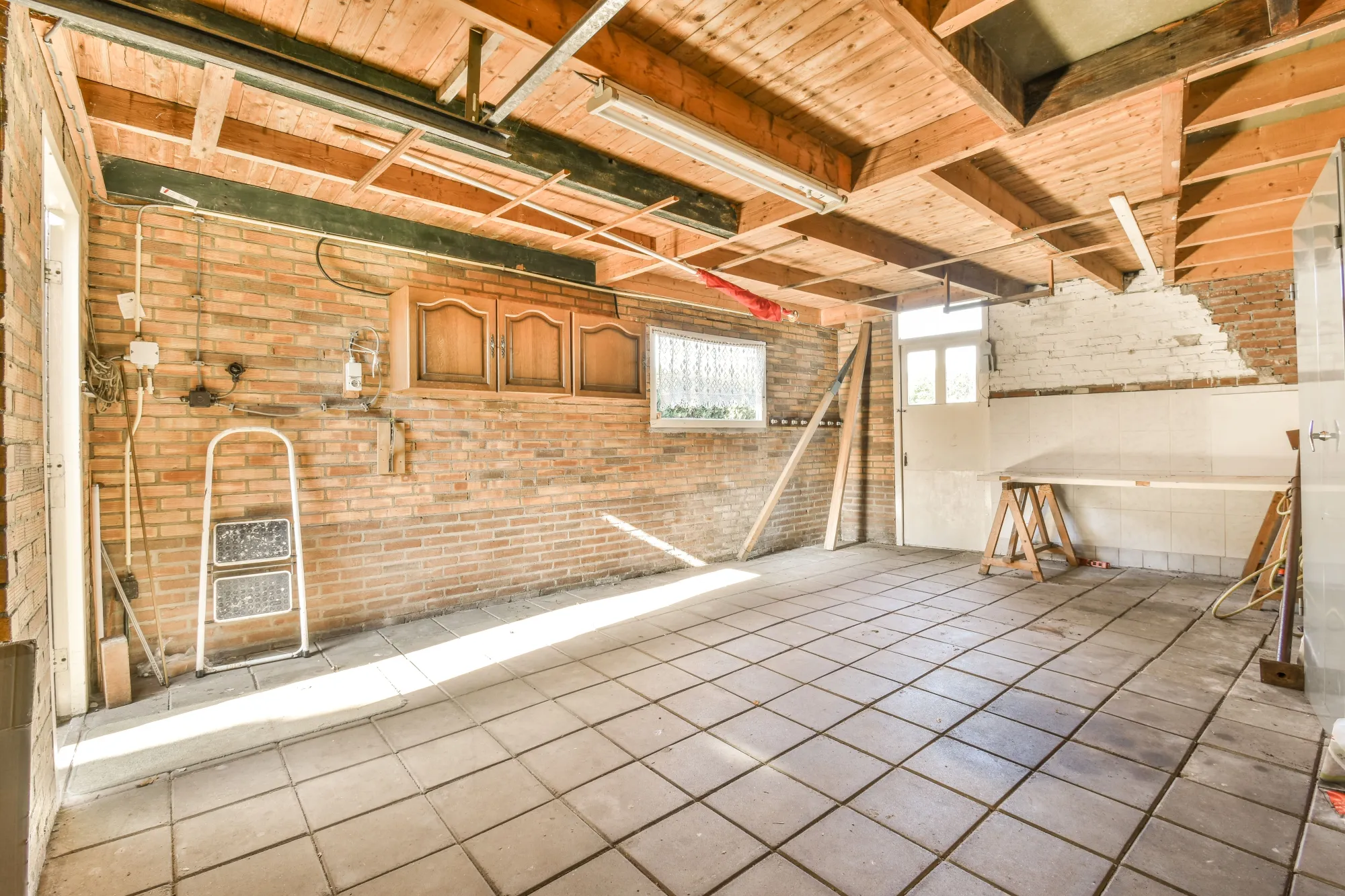
The first step in flooring estimation is to go to the site and take a look around. This is done to understand the actual condition of the site. This is called site inspection. You should go to the site to check the shape and size of the floor. Check the surface of the floor to see cracks or uneven spots.
To measure the site area, simple tools like a measuring tape or a digital tool are used. The area is calculated in square feet or square meters.
Step 2: Pick Flooring Type
When choosing a flooring type, consider your budget and your design preference. It affects your flooring estimate because each type of flooring has different costs. Common types of flooring are:
- Tile flooring
- Hardwood flooring
- Vinyl flooring
- Marble flooring
- stone flooring
Tile flooring is affordable and easy to maintain. Other types are more expensive but give premium look.
Step 3: Calculate Material Quantity
The next step is to figure out how much flooring material you will need. This includes estimating the amount of main material and extra stuff like adhesive, grout, and finishing products.
When calculating estimates for flooring, you must add 5 to 10% extra material to cover cutting, waste and future repairs. Many contractors also work with a quantity takeoff company to get accurate numbers of materials. These companies spealizes in measuring and calculating materials. This helps reduce mistakes and saves time and money.
Step 4: Estimate Labour Cost
Labour cost is a major part of figuring out how much flooring will cost. This is because you need skilled workers to do the job right. The labour cost depends on:
- The type of flooring we are using
- Complexity of the design
- The size of the area
- Location of the project
If you are installing simple tiles, the labour cost will be lower. But if you are installing marble or patterned flooring, it will be more expensive because it requires more skills that result in higher labour charges.
Step 5: Subfloor Preparation Cost
You need to get the subfloor ready to make a strong base for the flooring. If the old floor is damaged or not even, there is need to do some extra work before putting in the new flooring.
This step includes:
- Cleaning the surface
- Leveling the floor
- Repairing cracks
- Adding moisture barriers
The subfloor preparation increases the overall cost but it improves the quality and life of flooring.
Step 6: Adding Equipment and Tool Costs
Equipment and tools are required for cutting, fitting and finishing the flooring. The equipment and tools include:
- Cutters
- Grinders
- Adhesive tools
- Safety equipment.
Some contractors already have these tools. Others may need to rent them. So these costs need to be added in the estimate.
Step 7: Transportation Costs
Transportation cost is often ignored but it is an important part of the flooring estimation. You need to transport the materials from the suppliers to the construction place.
The delivery cost depends on the following:
- Distance from the supplier
- How material we need to buy
- What kind of material it is
For example, transportation and delivery costs for heavy materials like marble or tiles are usually higher. So you must include transportation and delivery costs in your budget for flooring.
Step 8: Waste Management and Extra Costs
Construction projects always create some waste. When estimating flooring, you have to think about the waste management cost for getting rid of leftover materials and debris.
Some extra costs you might need to consider are:
- Taxes
- Permits
- Cleaning up the site
- Fixing problems
Adding these costs makes your estimate more realistic and complete.
Step 9: Final Cost Summary
The last thing to do in flooring estimation is to make a cost summary in detail. This summary includes:
- the total cost of the materials
- the labour cost
- the cost of the equipment
- the cost of transportation
- Other extra costs.
The final cost is presented in a clear format so that it is easy to understand the total budget. Many builders and homeowners face trouble when the estimated cost is not clear or when some important costs are missing from the list.
In these cases, it is highly recommended to hire professional cost estimating services that can calculate the cost accurately without making mistakes. These experts use proper tools and they have years of experience so they make the whole flooring project go more smoothly and be less stressful.
Conclusion
Flooring estimates are really important when it comes to construction because they help with planning, budgeting and getting everything done. Each step in this process is important from looking at the site and adding up all the costs at the end. If you do the estimate accurately, it will not only save you money but also improve the quality of work and reduce delays.
When flooring estimate is done properly, the whole construction project goes more smoothly and everything is more organized. You do not waste money on things you do not need. Accurate flooring estimates make construction projects more efficient and cost-effective.






















Sign in to leave a comment.