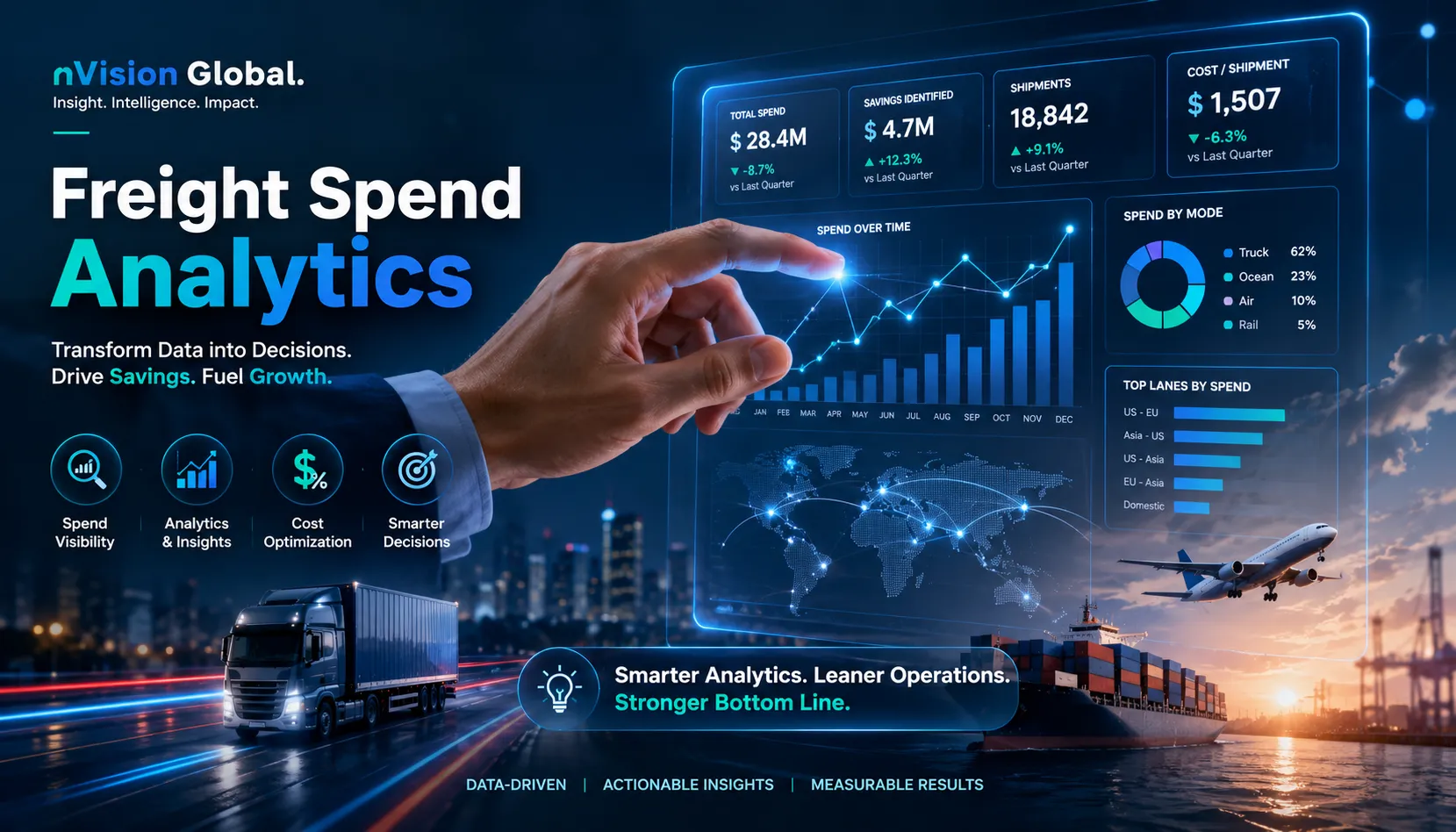

Managing logistics costs has become one of the toughest challenges for supply chain leaders today. Rising fuel prices, carrier rate fluctuations, and complex multi modal networks make it difficult to track where money is actually going. This is where freight spend analytics plays a critical role. By turning raw shipping data into clear, actionable insights, companies can finally understand their true transportation costs and make smarter financial decisions across their entire supply chain.
Understanding Freight Spend Analytics
Freight spend analytics involves collecting, organizing, and analyzing all freight related data, including invoices, carrier contracts, shipment volumes, and accessorial charges. Instead of relying on scattered spreadsheets or manual audits, businesses use analytics platforms to consolidate this information into a single, reliable source of truth. This visibility allows finance and logistics teams to identify overcharges, billing errors, and inefficient routing decisions that quietly drain budgets over time.
Why Visibility Matters for Cost Control
Without proper analytics, many companies unknowingly overpay for freight services. Hidden fees, inconsistent carrier rates, and duplicate charges often go unnoticed until they accumulate into significant losses. With detailed freight spend analytics, organizations gain a clear picture of cost drivers by lane, carrier, region, and shipment type. This level of detail empowers procurement teams to negotiate better contracts and hold carriers accountable for service performance.
How to Reduce Freight Costs Using Data Insights
If you are looking for how to reduce freight costs, analytics is one of the most effective starting points. By benchmarking current spend against historical trends and industry standards, companies can pinpoint inefficiencies that were previously invisible. Common strategies include consolidating shipments to improve truckload utilization, renegotiating carrier contracts using verified data, and optimizing delivery routes based on real time performance metrics. Freight audit and payment solutions paired with analytics also help catch billing discrepancies before they impact the bottom line.
Strengthening Supply Chain Strategy
Beyond cost savings, freight spend analytics supports long term strategic planning. Predictive insights help businesses forecast future freight expenses, prepare for seasonal demand shifts, and build more resilient logistics networks. When leadership has accurate financial visibility, they can align transportation strategy directly with broader business goals, improving both efficiency and profitability.
Turning Data Into Real Savings
The real value of freight spend analytics comes from consistent monitoring and action. Static reports are not enough. Companies need ongoing analysis paired with expert guidance to translate numbers into meaningful savings. Automated dashboards, custom reporting, and integration with existing ERP or TMS systems ensure that decision makers always have current, accurate information at their fingertips.
Take Control of Your Freight Costs Today
If your organization is ready to gain full visibility into logistics spending and start reducing freight costs with confidence, now is the time to act. Partnering with a trusted freight audit and analytics provider can transform scattered data into powerful business intelligence. nVision Global specializes in helping companies streamline freight spend analytics, uncover hidden savings, and build smarter, more cost efficient supply chains. Contact nVision Global today to see how data driven freight management can strengthen your bottom line.






















Sign in to leave a comment.