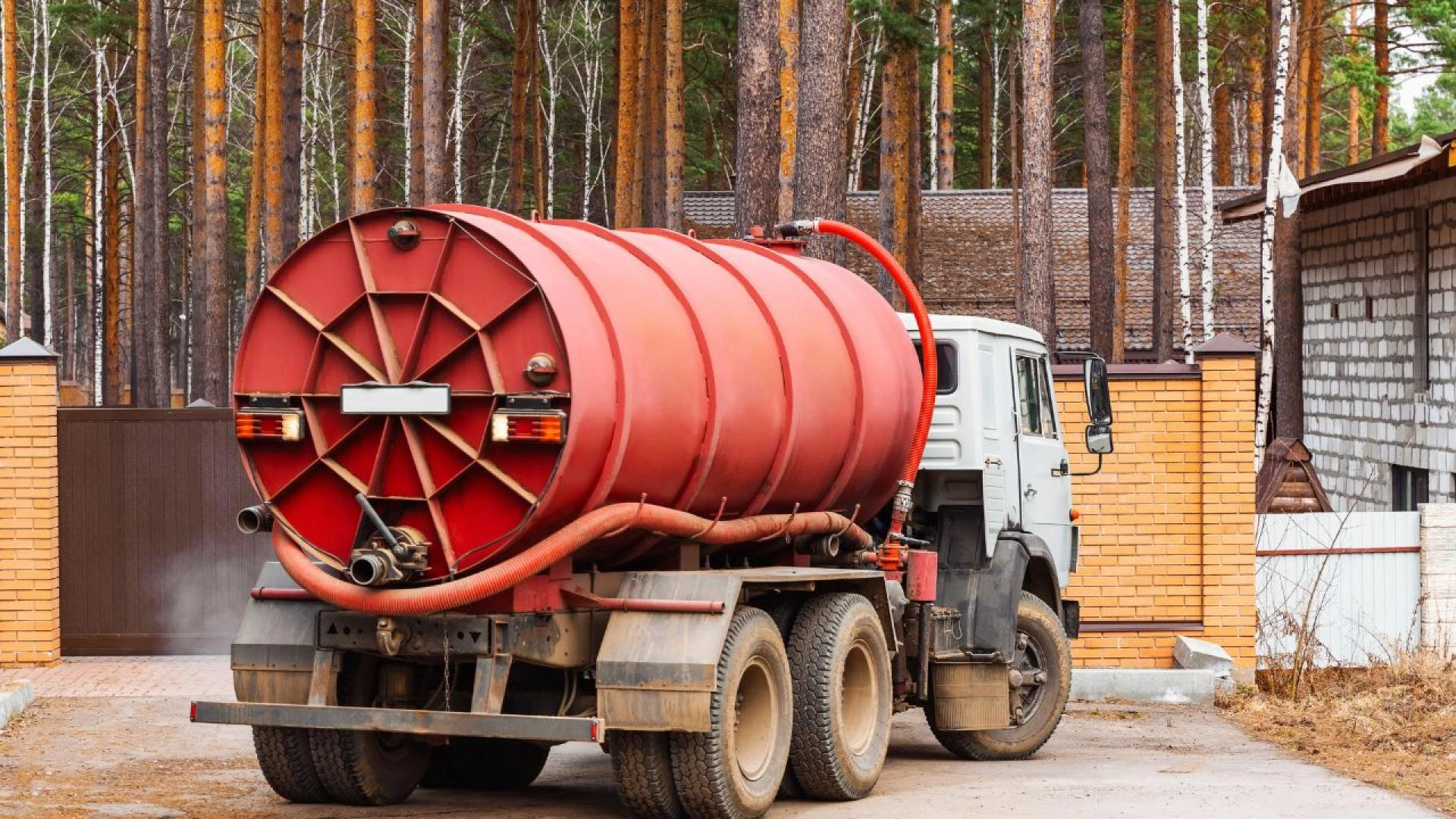

A Brief Overview of Garbage Disposals and Septic Tanks
In the realm of modern home conveniences, garbagedisposals and septic tanks play a pivotal role yet often remain misunderstood. Let's start by defining what these two components are.
A garbage disposal, also known as a food waste disposer, is an electrically powered device installed under a kitchen sink between the sink's drain and the trap. This magical apparatus grinds up food waste into tiny pieces, small enough to pass through plumbing.
On the other hand, a septic tank is an underground chamber made of concrete, fiberglass or plastic through which domestic wastewater (sewage) flows for basic treatment. It operates by first separating and retaining settleable organic solids while permitting clarified liquid to infiltrate into the soil.
The decomposed solids are then digested by bacteria present in the tank. Garbage disposals and septic tanks may seem entirely unrelated at first glance; however, they are both key players in managing household waste efficiently.
Dissecting the Importance of Understanding Their Interplay
The relationship between garbage disposals and septic tanks is more significant than one might initially perceive. Every time you flip that switch to eliminate leftover spaghetti or apple peels down your sink, you're starting a process that extends far beyond your kitchen. The ground-up food from your disposal doesn’t simply vanish—it goes somewhere.
More specifically: it heads directly toward your home’s sewage system or septic tank. As such, understanding how these two systems interact could save you from future headaches stemming from blockages or overfilled tanks.
Moreover, with an intricate understanding of their interplay comes increased environmental consciousness—a crucial aspect in today’s era where sustainable living should be encouraged. Knowing how our daily activities affect larger systems like our septic tanks can guide us towards more responsible and sustainable choices.
Understanding Garbage Disposals: From Afterthought to Kitchen Essential
The Origins and Ascension of Garbage Disposals
The rise of garbage disposals is a testament to human ingenuity. These appliances were initially conceptualized in the early 20th century, primarily by John W. Hammes.
He invented the "InSinkErator" in 1927, a device that symbolized a significant leap toward improving kitchen hygiene and waste management. The implementation of garbage disposals marked a shift in societal norms with regard to food waste disposal and revolutionized kitchen cleanup practices.
Hammes's invention didn't achieve widespread public acceptance overnight though. Early on, numerous cities prohibited its use over plumbing infrastructure concerns and perceived health risks posed by ground food waste entering sewage systems.
It wasn't until the mid-20th century that these perceptions began to change significantly. Through efficient advertising campaigns that targeted housewives, coupled with endorsements from health departments acknowledging their sanitation benefits, garbage disposals gradually became an integral fixture in American kitchens.
Today, they exist as nearly ubiquitous amenities in modern homes worldwide. Their simplicity and efficiency have made them indispensable assets for kitchen sanitation and convenience, marking one of humanity’s great strides towards modern home convenience.
The Mechanics Unveiled: A Symphony of Power & Precision
A garbage disposal's operation can be likened to an orchestrated symphony where each component plays a critical role harmoniously executing its purpose under the maestro—the user's command. In the heart of every disposal unit lies an electric motor—an essential part responsible for providing power required for operation.
Once activated, this motor rotates a flywheel at impressive speeds—often reaching upward into several thousand revolutions per minute (RPM). Attached to this flywheel are impellers or lugs that, due to the flywheel's rotation and centrifugal force, swing outwards to participate in the grinding process.
This grinding action is further enhanced by the presence of a shredder ring lining the inside of the garbage disposal. This ring has sharp slots that work like teeth or blades.
In an orchestrated dance, as food waste is pushed against these slots by impellers' force, it gets torn apart into minuscule particles. Water entering through the sink helps flush these particles down into your plumbing system—thus marking the exit stage of this symphony.
Garbage Disposals: A Boon for Kitchens and Environment Alike
The beauty of a garbage disposal extends well beyond its mechanical prowess—it brings about a remarkable change in managing kitchen waste conveniently while also having a profound environmental impact. The convenience aspect shines when you consider your everyday kitchen activities. No longer do you need to fret about scraping off every last bit of food from plates before washing them; neither do you have to deal with smelly, overflowing trash bins.
With a flip of a switch, unwanted scraps are whisked away efficiently and effectively—a luxury those without such devices would indeed yearn for. From an environmental perspective too, garbage disposals perform admirably.
By diverting organic waste from landfills—a known source of methane gas emissions—they contribute towards limiting this potent greenhouse gas's release into our atmosphere. Moreover, many modern wastewater treatment plants can convert ground up food waste into biosolids for use as fertilizer or even capture methane produced during processing for energy generation—thereby achieving resource recovery from something otherwise wasted.
Understanding Septic Tanks
A Historical Perspective: The Evolution of Septic Systems
The invention of the septic tank dates back to the late 19th century. It was originally designed by a Frenchman named John Mouras, who created a prototype in his home and patented the design in 1881. This early version consisted of a concrete tank into which waste water would flow, separate, and then drain into the leaching field.
Over time, technological advancements led to improved versions that were more efficient and ecological. In the first half of the 20th century, septic systems were commonly used in rural areas where municipal sewage systems were not available.
They were seen as an inexpensive and practical solution for waste disposal. By mid-century though, concerns about environmental health led to stricter regulations on septic system designs and locations.
Fast forward to today, modern septic systems have evolved significantly from their rudimentary precursors. While they fundamentally operate on the same principles, contemporary tanks incorporate advanced materials and technologies that increase their efficiency, lifespan, and environmental safety.
The Science Behind Septic Systems: A Closer Examination
To understand how a septic system works one must delve into its inner mechanics. When waste exits your home via wastewater pipes it enters the first chamber of your two-chambered septic tank through an inlet pipe.
The role of this inlet pipe is crucial as it not only facilitates entry but also directs incoming waste toward the bottom of this first chamber. This design ensures minimal disturbance to solid matter previously settled there while allowing for liquid scum to flow across its surface towards an outlet pipe located at roughly midway up this chamber's height.
In our quest for understanding how septic tanks work we encounter three distinct layers inside each chamber: scum at top which consists mainly of fats and oils; effluent being relatively clear water found in the middle; and sludge which refers to the heavier solid waste that settles at the bottom. The process of separation is a natural one, occurring due to the differing densities of these materials.
Bacterial actions further aid this division by breaking down organic matter, thereby allowing for a clearer effluent layer. Flowing from the first chamber via an outlet pipe into a second chamber, effluent undergoes further gravity-induced settling before reaching another outlet pipe that leads this now heavily filtered liquid to a drain field.
The Essentiality of Septic System Maintenance
Now that we've explored septic system history and mechanics, we shift our focus towards their maintenance. The longevity of your septic system primarily hinges on regular maintenance and well-informed usage practices. A healthy septic tank should have its sludge layer pumped out regularly – typically every three to five years – depending on household size, total wastewater generated, volume of solids in wastewater and septic tank size.
Regular pumping ensures that solids won't overflow into the drainage area which can cause soil clogging and premature system failure. Additionally, particular care should be taken not to dispose non-biodegradable or hard-to-degrade items via home drains as they accumulate in the septic tank leading to increased frequency for required pump outs.
Septic systems are critical infrastructures designed for long-term serviceability. Understanding their design principles coupled with active maintenance measures will ensure their effective operation while minimizing potential environmental impact.
Garbage Disposals and Septic Tanks Interplay
The Direct Impact of Garbage Disposals on Septic Tanks
When considering the direct impact of garbage disposals on septic tanks, the most salient point is the increased solid load that is introduced into the tank. This process begins in the kitchen. Food scraps are fed into the garbage disposal where they are ground into small particles that can easily be washed away by water flowing down the drain.
This slurry of food particles and water then finds its way to your septic tank where it contributes to a layer known as sludge. The introduction of these particles demands additional bacterial action within your septic tank.
While bacteria in your septic tank naturally break down organic materials, this is a slow process. With an increased influx of solids from a garbage disposal unit, there's potential for undigested solids accumulating faster than they can be broken down by bacteria.
This quicker accumulation inherently increases fill-up rates and may necessitate more frequent pumping of your septic system to prevent overflow or backflow issues. It's critical to remember that while garbage disposals grind up waste to smaller particles, they don't reduce its volume, leading to accelerated filling rates if not monitored closely.
Potential Indirect Impacts on System Health
Beyond these direct effects on fill-up rates and solid load within the tank, garbage disposals may also have indirect impacts on overall septic system health. For instance, if non-disposable items manage to find their way into a disposal unit—say non-degradable materials—they could lead to clogs within your plumbing or even damage your septic system. Additionally, overreliance on a garbage disposal might result in neglecting best practices for maintaining healthy septic systems.
Overfeeding disposals with high volumes of waste or certain types of waste (like fats, oils, and grease) that are challenging for septic bacteria to decompose can upset the delicate balance of your septic tank's ecosystem. Moreover, the increased water usage associated with garbage disposals can lead to overhydration of your drain field.
This part of your septic system is designed to handle a specific amount of wastewater. If it receives more than it can handle due to heavy garbage disposal use, it might become oversaturated leading to system failure.
Understanding the interplay between garbage disposals and septic tanks is essential for maintaining a well-functioning home waste management system. Proceed with caution and ensure that you understand the potential direct and indirect impacts before integrating these two systems.
Evaluating Potential Risks & Problems
An Overview of Potential Dangers
Adversities arising from the misuse or overuse of garbage disposal systems with a septic tank are not uncommon. It is essential to remain cognizant of the potential ramifications to prevent irreparable damage.
While the convenience provided by garbage disposals is undeniable, understanding their limitations is equally crucial. The leading causes of these problems usually stem from disposing items unsuitable for such systems or just plain overuse.
Consequences of Clogs or Backups in the System
One significant risk associated with using garbage disposals involves clogs or backups in the septic system. Non-disposable items like hard fruit pits, bone fragments, coffee grounds, grease, and fibrous vegetables can easily block pipes and impede normal operation.
This obstruction often results in backups that could potentially cause water damage and introduce harmful bacteria into your home. The aforementioned materials are not designed to be ground finely enough for efficient breakdown within the septic tank.
They contribute to increased sludge levels that necessitate frequent pumping and maintenance – an often costly affair. Moreover, severe backups may result in complete system failures which require extensive repairs or even full replacements.
Excessive Strain on Septic Tanks
Notably, overuse of garbage disposals can put an excessive strain on your septic tank as well. Septic tanks operate most efficiently when they have sufficient time to break down waste before more is added.
Too much waste at once can disturb this balance causing a rapid increase in sludge levels leading to premature fill-ups. When overloaded frequently, septic tanks may struggle with effectively processing solvents thus reducing their overall performance efficacy while increasing health risks due to possible contaminations from unprocessed wastewater leakage into your drain field.
Conclusion: Cultivating Healthy Habits for a Sustainable System
In the realm of waste management, the marriage between garbage disposals and septic tanks can be harmonious provided we understand their intricate dance and respect their boundaries. It is imperative to recognize that, while both systems are designed for convenience and efficiency, misuse or overuse can lead to significant problems that can be onerous, expensive, and hazardous.
By adopting responsible disposal habits, being mindful of what goes down our drains, and maintaining regular septic tank checks and clean-ups - we not only extend the longevity of our utilities but also contribute positively to environmental conservation. Herein lies the optimism in our narrative: with conscientious usage practices, we wield the power to ensure efficient home operations while actively participating in nature preservation – a delightful duality indeed!




























Sign in to leave a comment.