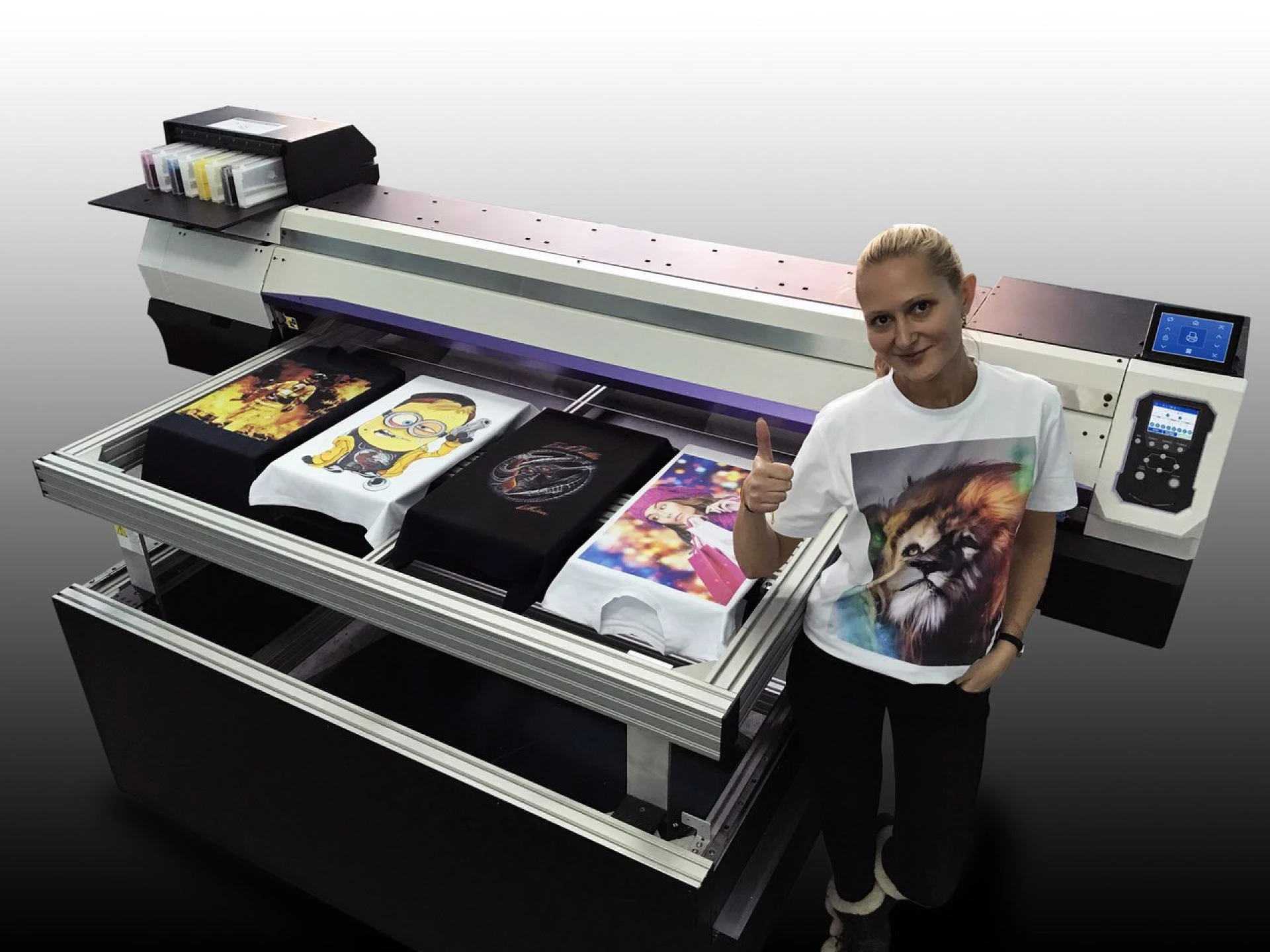
In the world of modern printing, Direct-to-Film (DTF) printing has emerged as a powerful technology, enabling high-quality designs to be transferred onto a wide variety of fabrics. One crucial component that makes this process effective is glue powder. This special adhesive powder plays an essential role in the transfer process, helping ensure that prints adhere securely to fabric, resulting in vibrant, durable designs. In this article, we will explore the role of glue powder in DTF printing, its benefits, and how it enhances the overall quality of custom printing.
How Does Glue Powder Work in DTF Printing?
The glue powder application is a simple yet essential step in the DTF printing process. Here’s how it works in detail:
- Printing: The design is first printed onto a transfer film using specialized inks in a DTF printer.
- Applying Glue Powder: Once the print is complete, adhesive glue powder is sprinkled onto the wet ink. The powder sticks to the ink due to its sticky nature.
- Heat Curing: The film is heated to cure the glue powder. This process allows the powder to bond to the ink, forming a solid, tacky layer that will adhere well to the fabric.
- Transfer: Using a heat press, the design is transferred onto the chosen fabric or material. The heat helps the ink and adhesive bond with the fabric, ensuring that the design stays in place for the long term.
By ensuring that the ink adheres properly to the fabric during the heat transfer process, glue powder guarantees that the finished product is both visually appealing and long-lasting.
Why is Glue Powder Important for DTF Printing?
Glue powder is integral to the DTF printing process because it provides several key benefits that enhance the final product. Without glue powder, the print would not adhere properly to the fabric, leading to low-quality results, poor durability, and potential peeling over time. Here are some of the reasons why glue powder is so important:
- Strong Adhesion: It ensures the printed design adheres firmly to the fabric, reducing the likelihood of fading or washing away.
- Flexibility: Unlike other printing methods that require pre-treated fabrics, DTF printing with glue powder can be applied to a wide variety of materials, including cotton, polyester, leather, and blends.
- Vibrant Prints: The adhesive ensures that the ink stays in place, enhancing the vibrancy and clarity of the design.
Types of Glue Powder in DTF Printing
Not all glue powders are the same, and the type you use can affect the overall quality of your transfer. There are generally two types of glue powder available in the market: standard glue powder and high-temperature glue powder.
- Standard Glue Powder: Ideal for common fabric types like cotton and polyester, this glue powder works well in everyday applications, producing great results in both regular and low-temperature transfers.
- High-Temperature Glue Powder: This type is better suited for fabrics that require higher heat during the transfer process. It is perfect for use on materials that have higher melting points or need extra heat to cure the adhesive properly.
Selecting the right type of glue powder for your project is critical to achieving the best possible outcome for your custom designs.
The Role of Glue Powder in Enhancing Durability
One of the most significant advantages of using glue powder in DTF printing is its ability to enhance the durability of the print. Without the glue powder, the ink applied during the printing process would be more prone to cracking, peeling, or fading. The adhesive helps lock the ink into the fibers of the fabric, which not only improves the print's visual appeal but also ensures long-lasting quality.
When properly applied, the glue powder allows the design to withstand regular washing, heavy use, and exposure to sunlight. Whether it’s a sports uniform, custom apparel, or promotional material, glue powder ensures that your print will stay intact and vibrant for the long term.
Advantages of Using Glue Powder in DTF Printing
The incorporation of glue powder in DTF printing offers several benefits that can improve both the production process and the final product. Some of the main advantages include:
- Cost-Effective: Glue powder is relatively inexpensive compared to other types of adhesives or transfer methods, making it an affordable solution for custom printing.
- Faster Production Time: The process of applying glue powder and heat curing is quick, reducing overall production time. This allows businesses to meet tight deadlines and deliver orders faster.
- Improved Washability: The strong bond created by the glue powder ensures that the designs last through multiple washes, unlike other transfer methods that may wear off over time.
- No Pre-Treatment Needed: Unlike other printing techniques that require fabric pre-treatment, DTF printing with glue powder can be applied to untreated fabrics, saving time and effort during the setup process.
Versatility of Glue Powder in DTF Printing
Another significant benefit of glue powder is its versatility. DTF printing with glue powder can be applied to a wide range of fabrics, from soft cotton to synthetic polyester and even more delicate materials like leather or silk. This makes it an excellent choice for various custom applications, including:
- Apparel: T-shirts, hoodies, jackets, and more.
- Promotional Merchandise: Bags, caps, and other branded items.
- Home Décor: Custom cushions, curtains, and even tablecloths.
- Accessories: Custom designs on items like wallets, shoes, or hats.
The flexibility to work with various fabric types gives businesses a broader scope for creating custom products, catering to a wide range of customer needs.
Troubleshooting Common Issues with Glue Powder
While glue powder is generally easy to work with, there can be some challenges, especially if the wrong powder is used or the process isn't followed correctly. Here are some common issues and how to address them:
- Excess Powder: If too much glue powder is applied, it can result in a thick, uneven layer that leads to a heavy feel on the fabric. To resolve this, use the right amount of powder and ensure that it is evenly spread.
- Under-Curing: If the powder is not properly heat-cured, the adhesive may not bond effectively, leading to peeling or fading. Always ensure that the film is cured at the correct temperature for the recommended time.
- Inconsistent Transfers: Inconsistent application of glue powder can result in uneven designs. This can be prevented by using a uniform coating and ensuring that the transfer film is smooth and free of wrinkles.
The Future of DTF Printing with Glue Powder
As the demand for high-quality, customizable products continues to grow, DTF printing with glue powder will likely become even more prevalent. With its ability to produce vibrant, durable, and detailed designs on a wide variety of fabrics, this method is set to shape the future of custom apparel printing. The continued development of glue powder formulas will enhance its performance, making it even more efficient and eco-friendly.
For businesses in the printing industry, understanding the role of glue powder and how it improves the DTF printing process will be essential to staying competitive in a fast-evolving market.
Conclusion
Glue powder is an essential element of the DTF printing process, providing the adhesive needed for high-quality, durable transfers. From enhancing print longevity and versatility to streamlining production time, glue powder significantly improves both the efficiency and the end result of custom printing projects. Whether you are a business looking to expand your product offerings or a designer seeking the best solution for your custom apparel needs, understanding how glue powder works and how it enhances the DTF printing process will help you deliver exceptional results for your clients every time.
























Sign in to leave a comment.