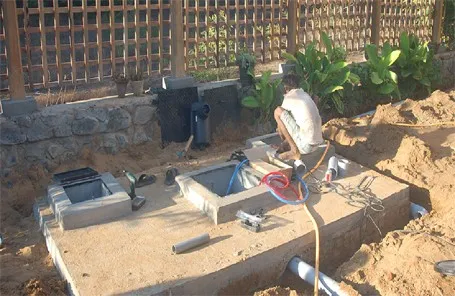

Water scarcity is becoming one of the most pressing issues globally. With urban populations growing and industries consuming more water than ever, finding sustainable ways to conserve fresh water is no longer optional—it’s essential. One of the most effective solutions for reducing fresh water consumption is the use of grey water treatment plants. These systems treat and recycle water from baths, sinks, washing machines, and other non-sewage sources, allowing it to be reused safely for non-potable applications.
In this blog, we explore how grey water treatment plants work, their benefits, and why investing in them can significantly reduce the pressure on fresh water resources.
What Are Grey Water Treatment Plants?
Grey water is wastewater generated from household activities such as bathing, laundry, and dishwashing, excluding toilet waste, which is classified as black water. Grey water contains fewer contaminants than black water, making it easier and more cost-effective to treat and reuse.
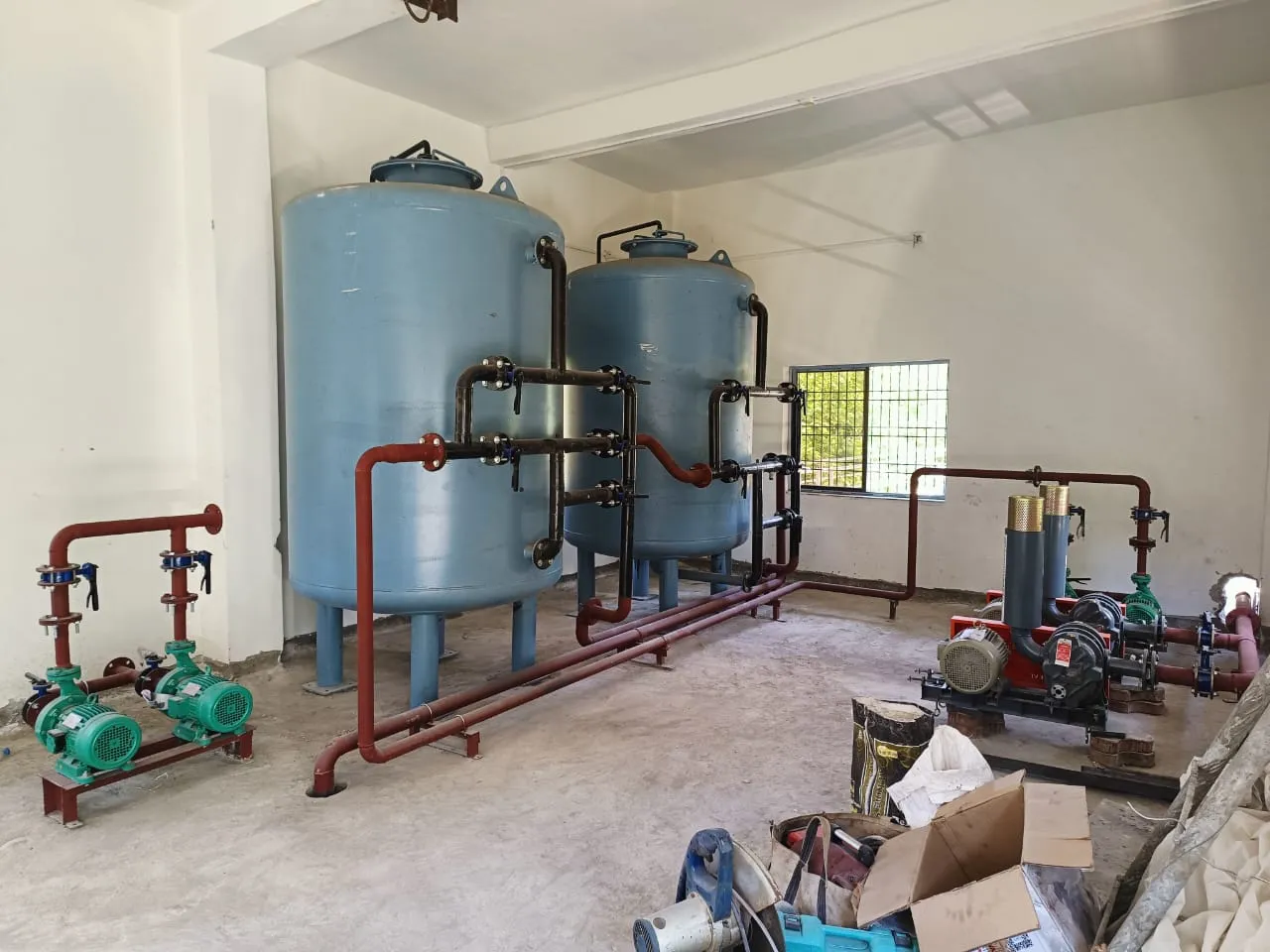
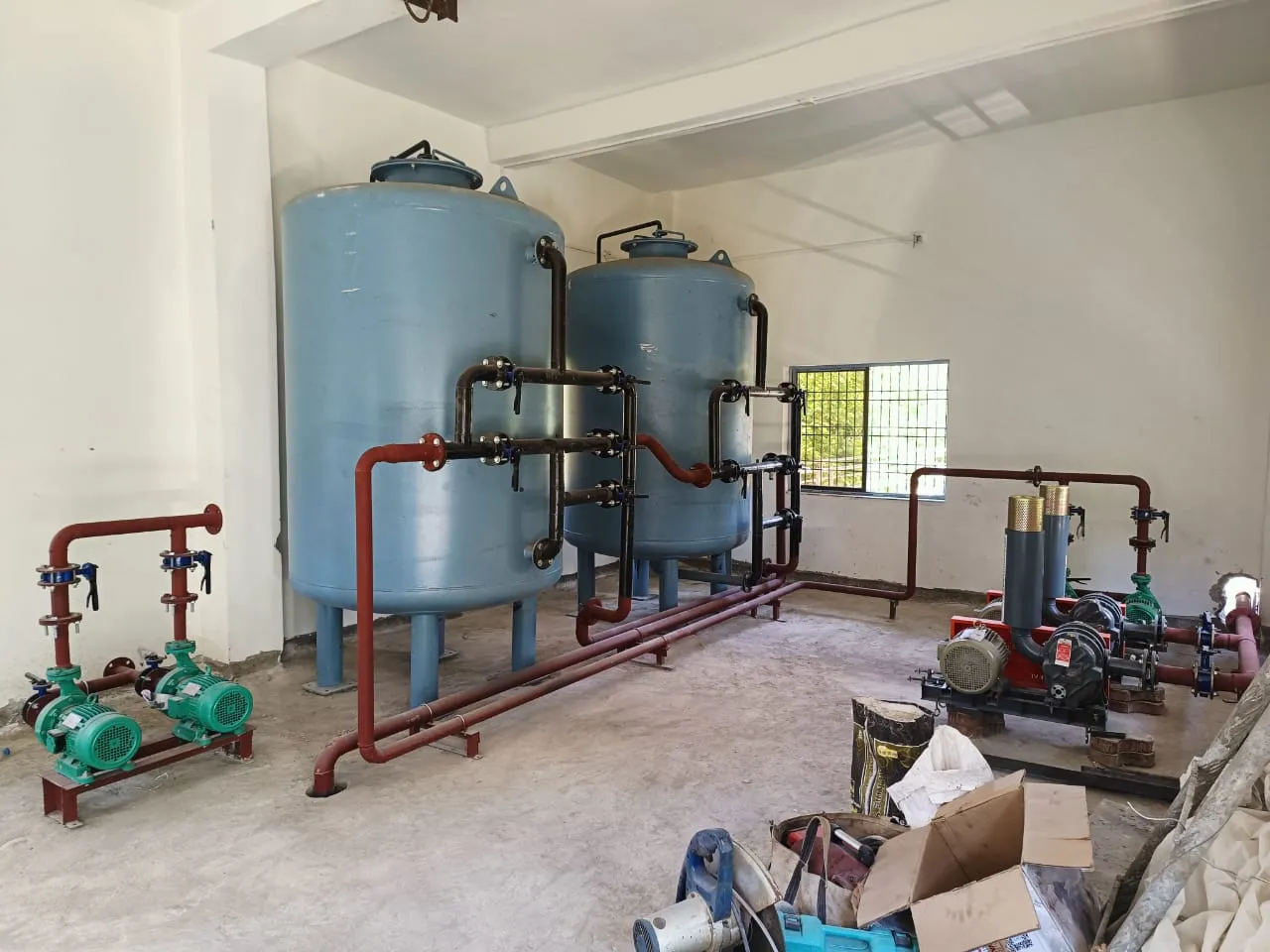
A grey water treatment plant is a system designed to collect, treat, and recycle grey water. The treatment process typically includes several stages such as sedimentation, filtration, biological treatment, and disinfection. Once treated, this water can be safely reused for applications like toilet flushing, irrigation, cooling systems, and cleaning purposes.
By converting wastewater into a valuable resource, grey water treatment plants play a crucial role in sustainable water management.
How Grey Water Treatment Plants Reduce Fresh Water Consumption
- Reusing Household Water
One of the main advantages of grey water treatment plants is the ability to reuse water that would otherwise go to waste. In many households, 50–60% of daily water usage comes from activities that generate grey water. By treating and reusing this water, fresh water consumption can be significantly reduced. - Supporting Sustainable Landscaping
Grey water is ideal for irrigation purposes. Landscapes, gardens, and green spaces require substantial amounts of water. Using treated grey water instead of fresh water for irrigation not only conserves potable water but also reduces the overall water bill for residential and commercial properties. - Reducing Load on Municipal Water Systems
Reusing grey water means less reliance on municipal water supply and sewage systems. This reduces the energy and resources needed to pump, treat, and deliver fresh water, thereby indirectly contributing to environmental conservation. - Industrial and Commercial Applications
Businesses, especially hotels, resorts, and commercial buildings, consume large volumes of water daily. Installing a grey water treatment plant allows these establishments to reuse water for toilets, cooling towers, and landscaping. This reduces operating costs while promoting sustainability.
Key Components of a Grey Water Treatment Plant
Understanding how these plants work can highlight why they are so effective in reducing fresh water consumption:
- Collection Tank: Grey water is collected from showers, sinks, and laundry, separating it from black water sources.
- Screening and Sedimentation: Large particles and debris are removed to prevent clogging and damage to the system.
- Biological Treatment: Microorganisms break down organic matter and pollutants.
- Filtration: Further purification removes finer particles to ensure water quality.
- Disinfection: Water is disinfected using chlorine, UV light, or ozone, making it safe for non-potable reuse.
With these stages, grey water treatment plants ensure that the recycled water is hygienically safe for multiple applications, while significantly reducing the demand for fresh water.
Benefits of Grey Water Treatment Plants
- Water Conservation
The primary benefit is obvious—reducing fresh water usage. Households and businesses can save thousands of liters of water annually by reusing grey water for non-drinking purposes. - Cost Savings
Lower water bills result from reduced fresh water consumption, and some municipalities offer incentives or rebates for installing grey water systems. - Environmental Sustainability
By minimizing water withdrawal from natural sources, grey water treatment plants help protect rivers, lakes, and groundwater reserves. Additionally, reducing wastewater discharge eases the burden on sewage treatment plants. - Improved Property Value
Homes and businesses that invest in sustainable infrastructure such as grey water treatment plants are often more attractive to environmentally-conscious buyers and tenants.
Grey Water Treatment vs. Conventional Waste Water Treatment
While both grey water treatment and traditional waste water treatment systems aim to manage wastewater, there are key differences:
- Source of Water: Grey water treatment deals with water from showers, sinks, and laundry, while conventional systems treat all household wastewater, including toilet waste.
- Treatment Complexity: Grey water treatment is simpler and more cost-effective due to lower contamination levels.
- Reuse Applications: Treated grey water is mainly reused for non-potable purposes, whereas treated wastewater may sometimes require advanced purification before discharge.
Understanding these differences highlights why investing in a dedicated grey water treatment plant is more practical for water conservation in homes and commercial properties.
Choosing the Right Grey Water Treatment Plant
When considering a grey water treatment system, factors to evaluate include:
- Daily Water Usage: Ensure the plant can handle the volume of grey water generated.
- Intended Reuse Applications: Decide whether the water will be used for irrigation, toilet flushing, or cooling systems.
- Maintenance Requirements: Regular maintenance is essential for optimal performance and hygiene.
- Regulatory Compliance: Check local regulations regarding grey water reuse to ensure your system is compliant.
Partnering with a trusted brand like Cleantech Water ensures that your grey water treatment plant meets both efficiency and safety standards.
Conclusion
Water is a finite resource, and conserving it has never been more critical. Grey water treatment plants offer a sustainable solution by converting household and commercial wastewater into a valuable resource. By reducing fresh water consumption, lowering utility costs, and promoting environmental sustainability, these systems are a smart choice for anyone looking to make a meaningful impact on water conservation.
Investing in a grey water treatment plant is not just about saving water—it’s about taking responsibility for the environment and creating a sustainable future for generations to come.
For businesses and homeowners aiming to optimize water use efficiently, Cleantech Water provides reliable, high-quality grey water treatment solutions tailored to diverse needs.


























Sign in to leave a comment.