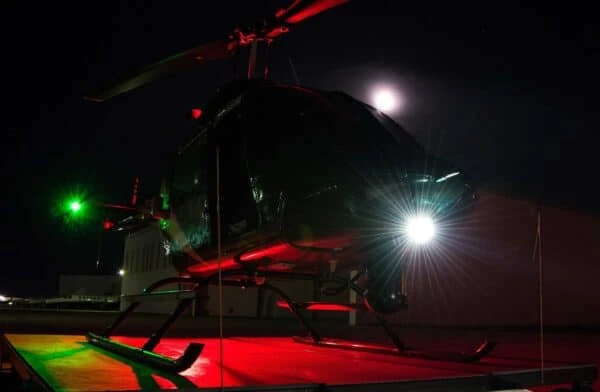

Flying a helicopter at night is a challenging task that requires precise control and high levels of concentration. One crucial factor that makes night flights safer and more efficient is the use of advanced helicopter lighting systems. These systems play a vital role in enhancing visibility, improving communication, and ensuring overall safety. In this blog, let’s explore how Helicopter Lights are essential for night flight operations and why you should understand their importance if you’re involved in aviation.
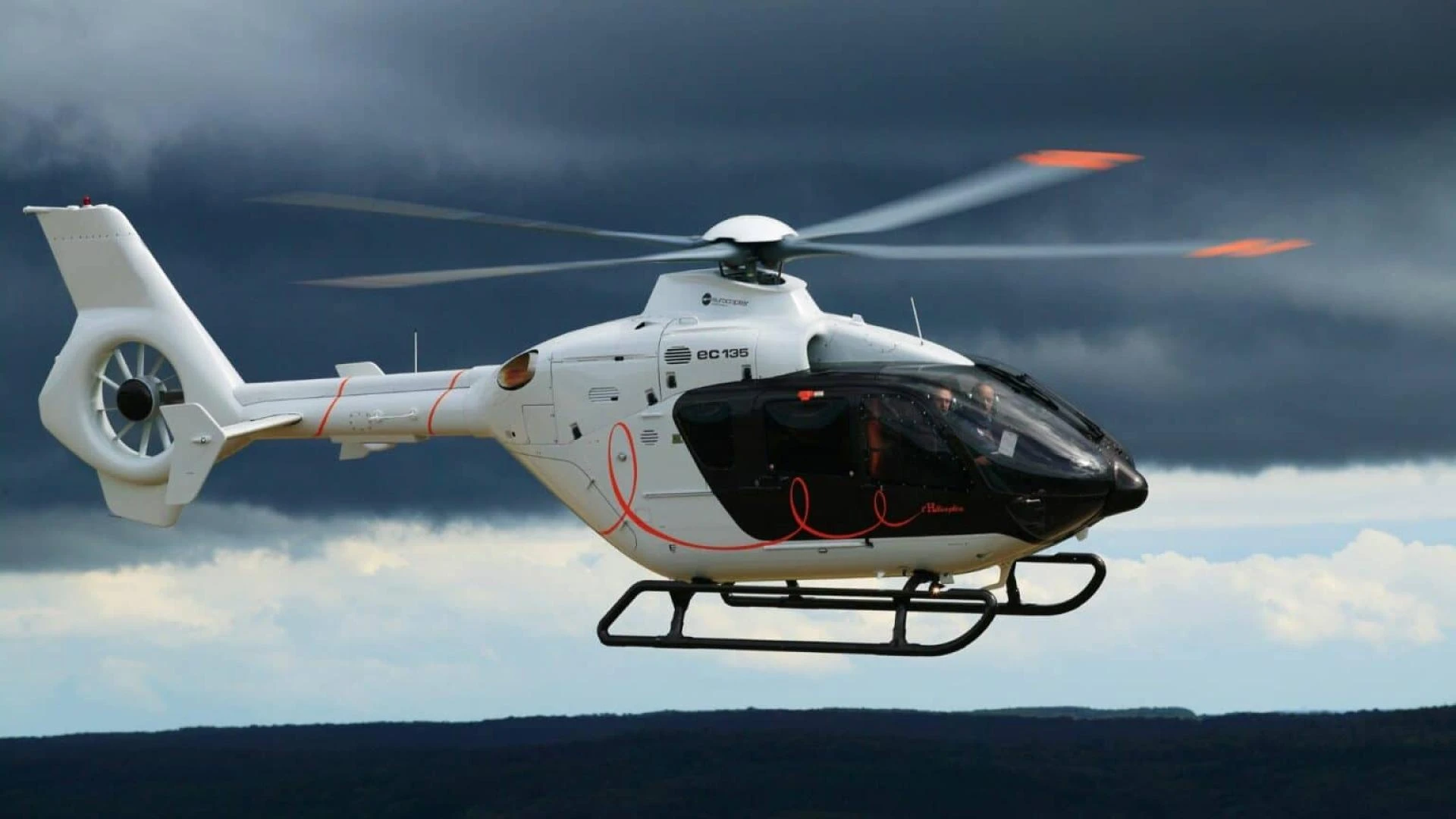
1. Improved Pilot Visibility:
At night, natural light is minimal, making it difficult for pilots to see clearly. lighting helicopter systems, such as landing lights and searchlights, provide the necessary illumination to ensure pilots can see their surroundings. These lights help you identify obstacles, landing zones, and terrain features even in low-light conditions. By improving visibility, these systems allow you to navigate safely and avoid potential hazards.
2. Enhanced Communication Through Navigation Lights:
Navigation lights are an essential part of any helicopter lighting system. These include red, green, and white lights positioned on different parts of the helicopter. They help other pilots and air traffic controllers identify your helicopter’s position, direction, and movement. This is especially important in busy airspaces where multiple aircraft operate simultaneously. By using navigation lights, you contribute to smoother communication and prevent mid-air collisions.
3. Increased Safety with Anti-Collision Lights:
Anti-collision lights, such as strobe lights and beacons, are designed to make your helicopter visible to others from a distance. These bright, flashing lights are highly effective in drawing attention to your aircraft, even in poor weather conditions. Whether you’re flying in fog, rain, or darkness, anti-collision lights ensure that your helicopter is easily noticed by other aircraft, reducing the risk of accidents.
4. Assisting Ground Operations with Landing Lights:
Landing lights are powerful beams that illuminate the ground during takeoff, landing, and taxiing. These lights make it easier for you to spot landing pads, runways, or uneven surfaces, ensuring a smooth and safe landing. Ground crews also benefit from landing lights as they can guide helicopters more effectively. Without these lights, navigating complex or unfamiliar landing zones at night would be extremely difficult.
5. Search and Rescue Missions:
Helicopter lighting systems are critical during search and rescue operations, especially at night. Searchlights provide a focused beam of light that helps you locate missing persons, vehicles, or objects in dark or remote areas. Equipped with adjustable angles and high intensity, these lights are essential tools for missions that require precision and attention to detail.
6. Interior Lighting for Cockpit and Cabin:
While exterior lights improve visibility outside, interior lighting is equally important for you as a pilot. Modern cockpit lighting systems are designed to reduce glare and provide clear illumination for instrument panels. This ensures that you can read and interpret critical data without straining your eyes. Cabin lights also enhance passenger comfort, making it easier for them to move safely inside the helicopter during night flights.
7. Adapting to Night Vision Goggles (NVG):
Many modern helicopters are equipped with lighting systems compatible with night vision goggles (NVG). NVG-compatible lights emit specific wavelengths that do not interfere with the goggles’ performance. If you use NVGs during your flights, these specialized lights ensure optimal functionality, allowing you to see clearly without any disruptions. This feature is particularly valuable for military operations and emergency medical services.
8. Energy Efficiency with LED Lights:
Traditional helicopter lights often consumed a lot of power and required frequent maintenance. However, the introduction of LED lights has revolutionized helicopter lighting systems. LED lights are energy-efficient, durable, and brighter than older systems. They reduce the strain on your helicopter’s electrical system while providing consistent illumination. As a result, you can enjoy better lighting performance and lower operating costs.
9. Compliance with Aviation Regulations:
Aviation authorities, such as the FAA, have strict regulations regarding helicopter lighting systems. Ensuring that your helicopter’s lights are compliant with these rules is essential for safe and legal operations. By following these guidelines, you not only enhance your safety but also avoid fines and operational delays.

Conclusion
Helicopter lighting systems are indispensable for night flight operations. They enhance visibility, improve communication, and ensure safety in challenging conditions. From navigation lights to landing lights and anti-collision systems, each component plays a unique role in making your night flights smoother and safer.
NAASCO, an Aircraft Supply Store offering reliable, cost-saving repair and overhaul solutions for a wide range of aircraft components. With a global reach, fast turn-around times, fair pricing, and fully warranted services, they are committed to reducing maintenance costs while ensuring quality for commercial, private, law enforcement, and military entities.



























Sign in to leave a comment.