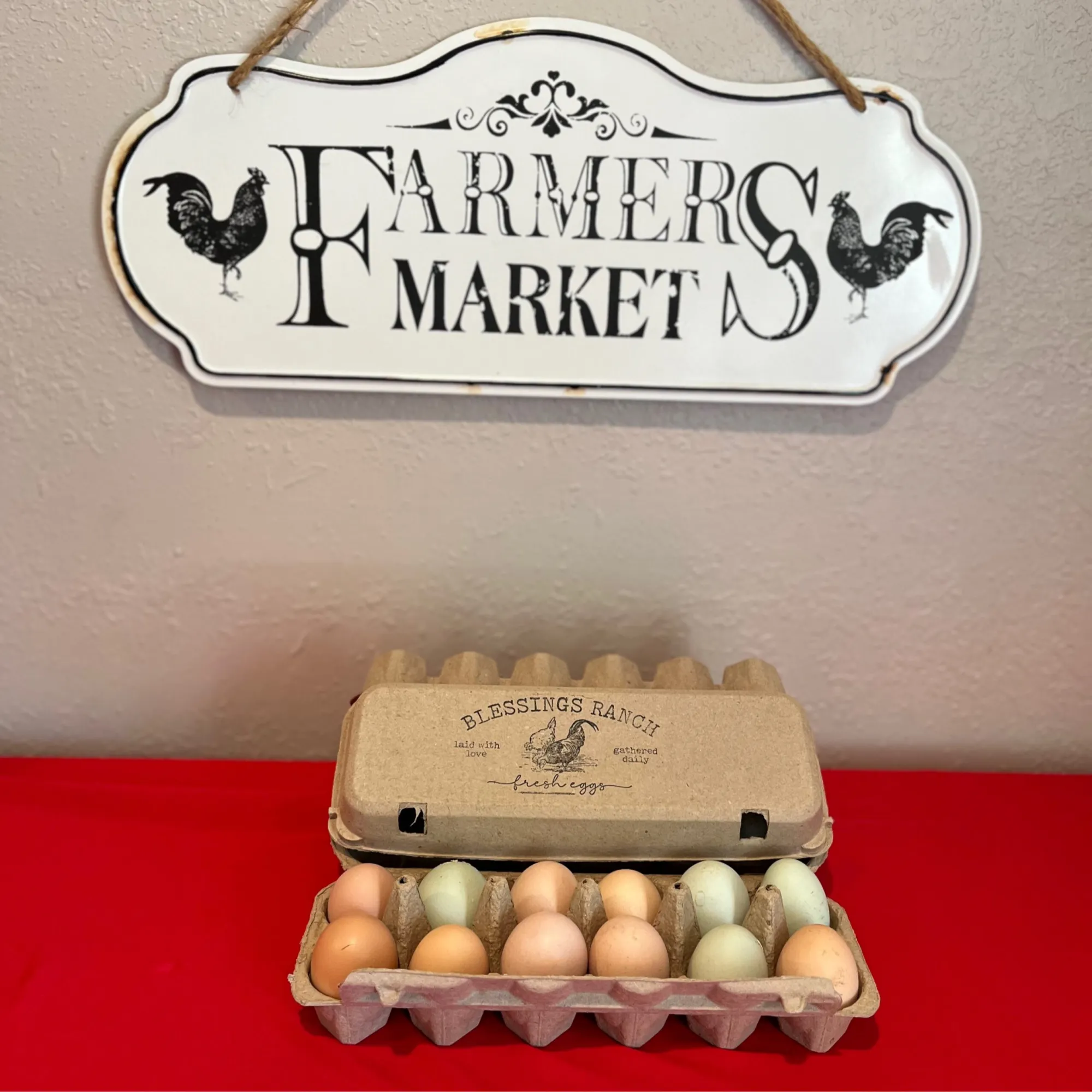

Crack an egg into a hot pan and watch the yolk. Some sit up round and almost defiant, a deep marigold color. Others spread thin and pale, like they gave up before hitting the skillet. That difference isn't luck. It's not the brand on the carton either. It comes down to something a lot simpler and a lot messier than marketing copy admits: how the hen actually lived.
Most people buying a dozen eggs never think about the bird behind them. Fair enough — there's a lot going on in a grocery run. But the conditions a hen spends her days in leave fingerprints on everything from shell strength to nutrient density, and that's exactly why pasture raised eggs keep showing up in conversations about better food. It's not a trend dreamed up by a label designer. There's a real, testable reason behind it.
Space Changes Everything, Even for a Bird
Confinement does something to animals. Doesn't matter the species. A hen packed into a cage with barely room to turn around lives under constant low-grade stress, and stress hormones don't just sit quietly in the bloodstream — they show up in the eggs. Cortisol changes yolk composition. It's subtle, sure, not something you'd taste on the first bite, but lab work has shown measurable differences in fat structure and antioxidant levels between stressed and unstressed hens.
Give a hen room to walk, scratch, dust-bathe, do the weird little things hens do — and something shifts. Movement builds muscle tone around the oviduct, which affects shell formation. Ever picked up an egg that felt oddly light or the shell cracked before you even got it home? That's often a hen that never had the chance to move much.
Diet Isn't Separate From Housing — It's Tied to It
Here's where people get it a little backwards. They assume diet and housing are two unrelated variables. They're not. A hen with outdoor access eats bugs, greens, seeds, whatever she finds scratching around dirt and grass. That varied diet is loaded with carotenoids, the pigments responsible for that deep orange yolk color, and omega-3 fatty acids that a strictly grain-fed, indoor hen just doesn't get in the same quantities.
A caged hen eating uniform feed pellets all day, every day, produces a nutritionally flatter egg. Not bad, necessarily — still protein, still usable — but flatter. Less vitamin D from sunlight exposure. Less variation in fatty acid profile. The egg reflects the input, plain and simple.
Air Quality and Ammonia — the Overlooked Factor
Rarely discussed, but it matters more than people assume. Densely packed barns build up ammonia from waste, and that ammonia irritates a hen's respiratory tract. Chronic low-level respiratory stress in poultry has been linked to weaker immune function, and a weaker immune hen is more prone to infections that can affect egg quality directly — thinner shells, occasional blood spots, inconsistent albumen thickness. Clean air, more space, lower density. It sounds almost too simple to matter, but it does.
Light Cycles and the Hen's Internal Clock
Artificial lighting schedules used to force year-round laying can throw off a hen's natural rhythm. It works, in the sense that it boosts output numbers. But forced laying cycles put physical strain on a bird's reproductive system over time, and eggs from overworked hens sometimes show thinner shells or irregular shapes toward the end of a laying cycle. Natural light exposure, paired with outdoor time, tends to produce steadier, more consistent results — not necessarily more eggs, but better ones.
Why This Matters When You're Actually Shopping
None of this is abstract once you're standing in an aisle deciding between cartons. Reading a label carefully, checking for pasture access claims, even asking a farmer directly if you're buying local — all of that starts to make sense once the biology behind it clicks. And for anyone hunting down the real thing rather than a vague marketing claim, checking out farm stores near Texas that source directly from small operations tends to give a clearer picture than a supermarket shelf ever could. Direct sourcing means fewer middlemen fudging the definition of what "pasture raised" even means.
At the end of the day, an egg is a snapshot of a bird's whole life — her stress levels, her diet, the air she breathed, the light she saw. Strange thing to think about over breakfast, maybe. Still, once you've seen the difference side by side, it's hard to unsee it.
Frequently Asked Questions
1. Are pasture raised eggs actually worth the higher price? Generally, yes — the nutrient density and shell strength differences are measurable, not just marketing.
2. How much more do pasture raised eggs cost compared to conventional? Conventional eggs run roughly $2–$3 a dozen; pasture raised typically lands between $6–$8.
3. Do darker yolks always mean better quality? Usually a good sign of a carotenoid-rich diet, though color alone isn't a guarantee of overall quality.
4. Where can pasture raised eggs be bought reliably? Local farm stores, farmers markets, or direct-from-farm sales tend to offer the most transparency.





























Sign in to leave a comment.