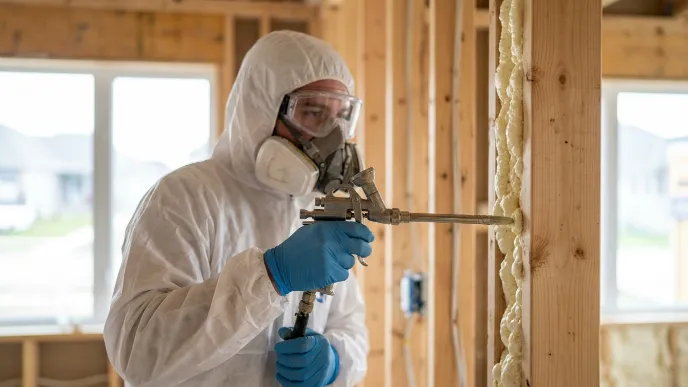

High-quality home insulation stabilizes the internal temperature of a building's framing and envelope. Maintaining a consistent thermal barrier, it limits the extreme temperature swings that cause building materials like wood and metal to expand and contract.
This stability prevents the physical stress that leads to cracked drywall, shifting foundations, and weakened joints. Professional installers use these materials to ensure your property remains structurally sound throughout the year. The following details explain the mechanics of thermal expansion and how modern materials protect your investment. Working with an Insulation Contractor in Seattle, WA helps ensure the proper selection and installation of insulation materials that enhance energy efficiency, minimize seasonal expansion issues, and provide long-term protection for your home's structure.
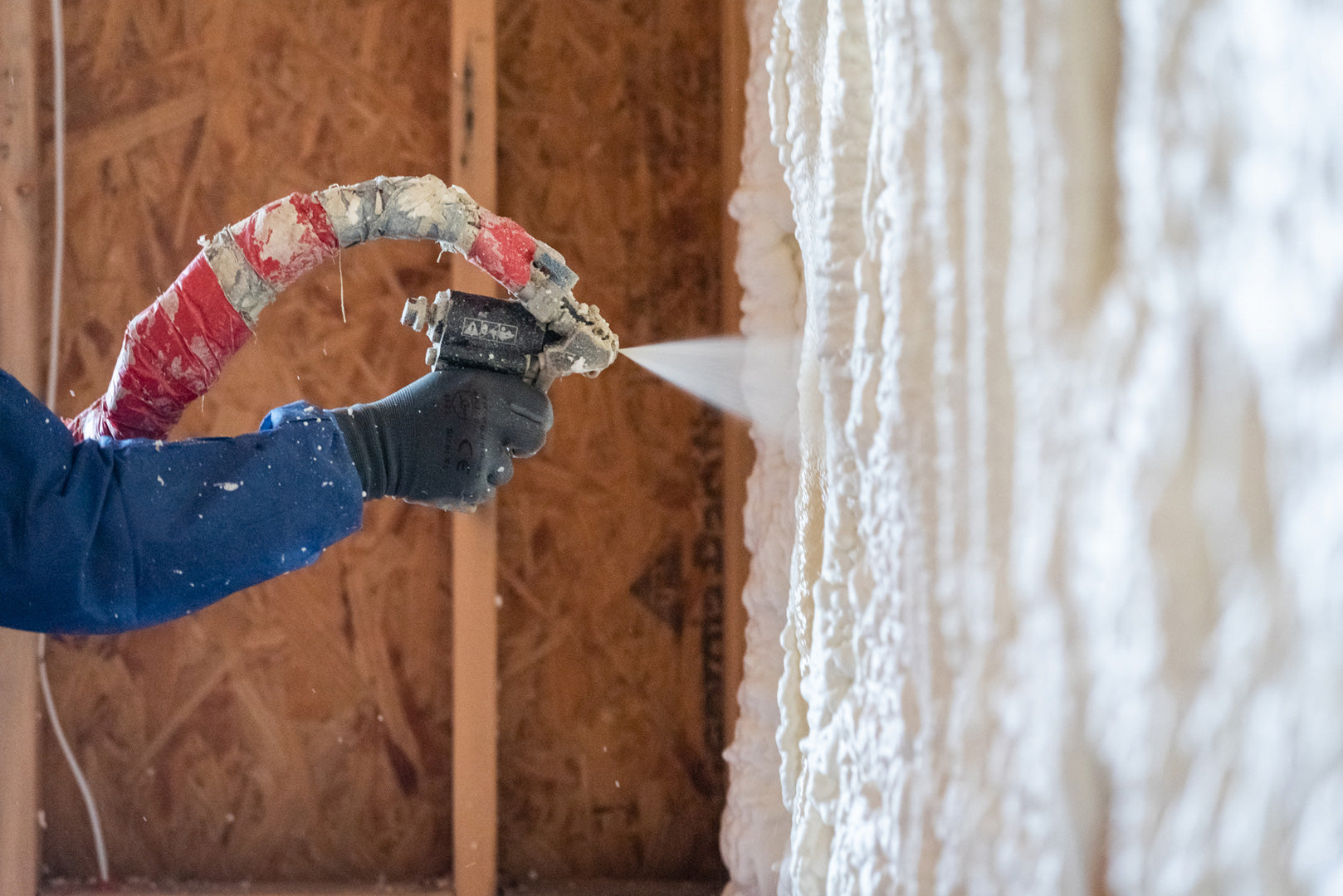
How Temperature Fluctuations Impact Your Building Structure
Every material used in your house has a specific rate of thermal expansion. When the sun beats down on your roof or winter winds chill your walls, these materials change size on a microscopic level.
Over time, this constant movement fatigues the fasteners and adhesives holding your home together. You might notice doors that stick in summer or gaps that appear in floorboards during winter.
Home insulation acts as a buffer that slows the transfer of heat. It keeps the structural members at a more uniform temperature, which drastically reduces the physical movement of the frame.
The Role Of Density In Thermal Protection
Not all materials are equal when it comes to stopping heat flow. Higher-density materials provide a more effective shield against the outside environment.
When you use energy-efficient insulation, you are creating a more "inert" environment for your wall studs and ceiling joists. This ensures the wood remains dry and maintains its original dimensions.
- Denser materials block air currents better than loose-fill options.
- Rigid boards can add a layer of shear strength to the wall assembly.
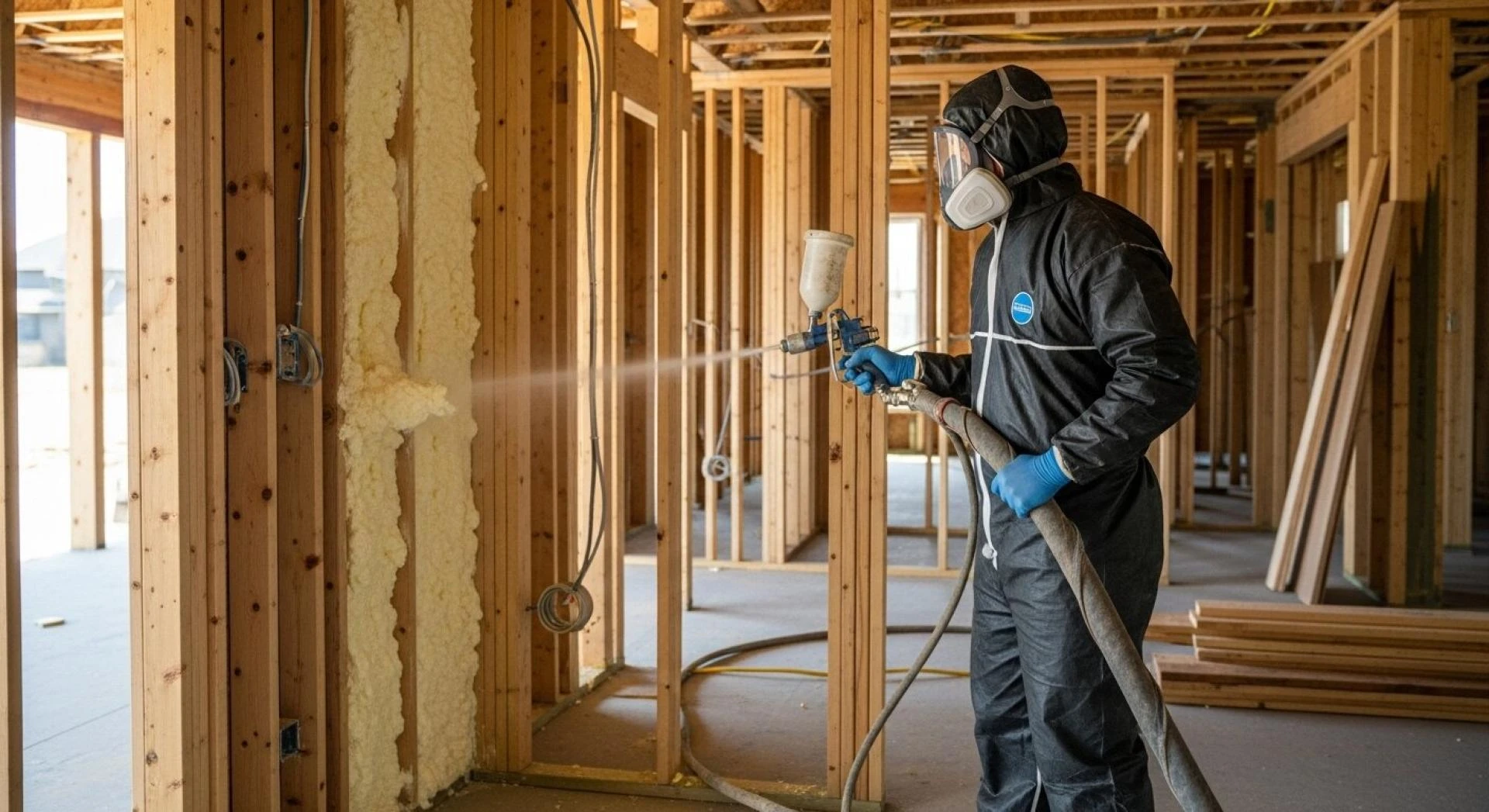
- Closed-cell options provide a physical bond that reinforces the structure.
Bonus Tip: Check the R-value per inch of your material to ensure it meets local building codes for your specific climate zone.
Managing Humidity With Moisture Control Insulation
Expansion isn't just about heat; it's also about water. Wood fibers swell significantly when they absorb moisture from humid air.
Using moisture control insulation prevents warm, moist indoor air from hitting cold outer surfaces where it would otherwise condense. This condensation is a primary cause of wood rot and mold.
If the internal wood framing stays dry, it stays stable. This prevents the "bowing" effect often seen in older homes with poor thermal barriers.
Preventing The Stack Effect In Multi-Story Buildings
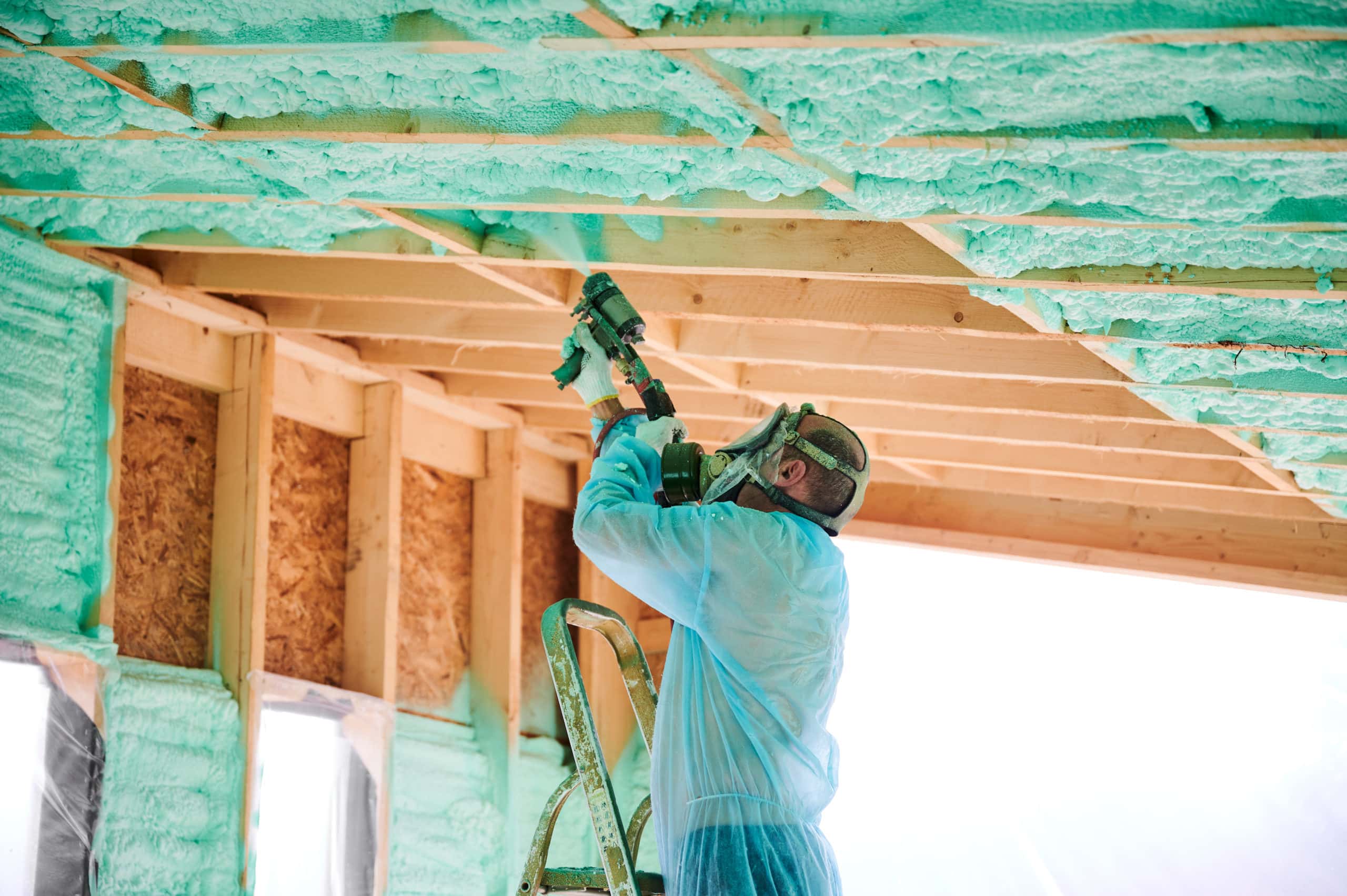
The stack effect happens when warm air rises and escapes through the top of your building, pulling cold air in through the bottom. This creates a pressure difference that can pull on your structural components.
By sealing the "lid" of your home with quality materials, you neutralize this pressure. This keeps the building from "breathing" in a way that causes materials to shift and crack.
- Seal all bypasses around chimneys and plumbing stacks.
- Ensure the attic hatch is as well-insulated as the attic floor.
- Look for air leaks around the rim joists in the basement.
Bonus Tip: Use a thermal camera during the winter to see exactly where heat is escaping your building envelope.
Why Does Thermal Bridging Cause Cracks In Drywall?
Thermal bridging occurs when heat bypasses your barrier through highly conductive materials like wooden studs or metal frames. This causes those specific spots to expand differently from the insulated areas.
This uneven movement is exactly why you see "nail pops" or long cracks in your ceiling. It is the result of the frame moving while the drywall stays relatively still.
Installing insulation for homes over the exterior of the studs, rather than just between them, creates a continuous thermal break. This ensures the entire wall moves as one single unit.
Protecting The Foundation From Freeze-Thaw Cycles
The base of your home is just as vulnerable to seasonal changes as the roof. Soil expands when it freezes, putting immense pressure on your foundation walls.
Exterior foundation protection keeps the concrete warmer. This prevents the concrete from shrinking and developing the hairline fractures that eventually let in groundwater.
- Insulate at least four feet below the grade line in cold climates.
- Use moisture-resistant boards that won't degrade in the dirt.
- Ensure proper drainage alongside the thermal barrier.
Things To Consider Before Choosing Your Material
Before you commit to a specific product, you need to evaluate the unique needs of your property. Every building faces different environmental stressors.
- Local Climate Zones: High-heat areas need different solutions than regions with heavy snowfall.
- Building Age: Older homes may require breathable materials to avoid trapping moisture in old wood.
- Acoustic Needs: Some thermal barriers also provide excellent sound dampening between floors.
- Permeability Ratings: Understand how much water vapor can pass through the material to avoid "trapped" moisture.

Expert Help For Your Property Structure
Maintaining the integrity of a building requires a professional approach to thermal management. Experts can identify the specific areas where your home is losing heat and experiencing structural stress.
If you are noticing signs of shifting or want to lower your utility costs, contacting a specialist is a smart move. They can provide a detailed assessment of your current setup. For those in the Pacific Northwest, reaching out to Cascadia Spray Foam Insulation of Seattle can provide the clarity you need. You can email them at [email protected] or call (425) 386-3500 to discuss your project. Their team understands how to apply these materials to maximize the lifespan of your property. You can also find their location on this map: https://maps.app.goo.gl/axDkdWYaW2QvbU1h9. They offer a free quote to help you get started on securing your building.
Summary Of Structural Protection Benefits
Investing in high-grade materials is about more than just comfort; it is about preservation. By controlling the internal temperature of your walls and attic, you stop the aggressive expansion and contraction that destroys buildings over time.
Consistent thermal barriers lead to fewer repairs, better air quality, and a significantly longer lifespan for your siding and framing. You should evaluate your current levels and look for gaps that might be compromising your home's stability.
Common Questions About Structural Insulation
Does insulation help with shifting floors?
Yes, keeping the floor joists at a consistent temperature and moisture level, it prevents the wood from warping or shrinking, which are common causes of squeaks and shifts.
Can poor insulation cause windows to stick?
It can. When the framing around a window expands due to heat or moisture, it puts pressure on the window unit, making it difficult to open or close properly.
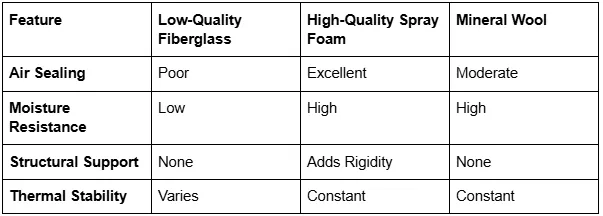
Is spray foam better for structural rigidity than fiberglass?
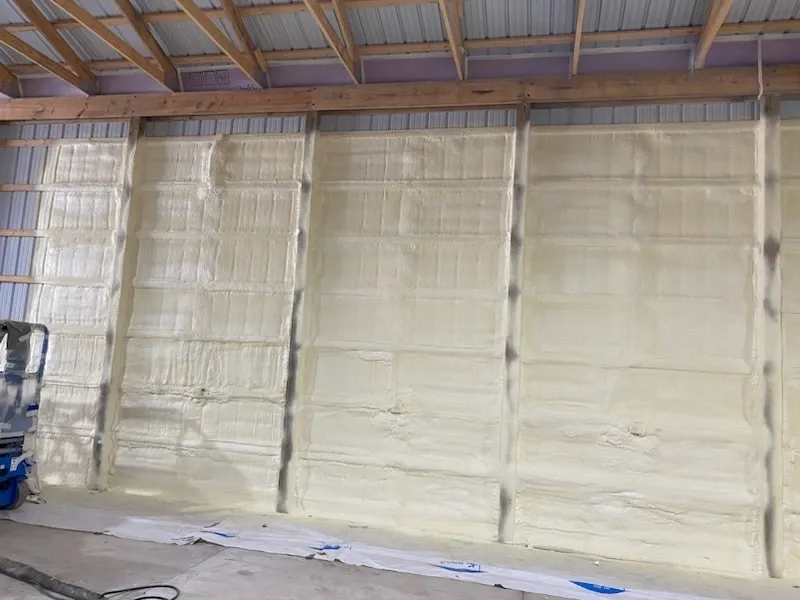
Closed-cell spray foam is unique because it hardens into a dense solid that can actually increase the rack strength of a wall, whereas fiberglass provides no structural reinforcement.
How often should I check my home insulation?
You should have a professional inspection every few years or whenever you notice new cracks in your drywall or rising energy bills that suggest the barrier has settled or failed.
Does attic insulation protect my roof shingles?
Actually, proper ventilation and a thick thermal barrier keep the roof deck cool in the summer. This prevents "cooking" the shingles from the inside out, which extends their life.
























Sign in to leave a comment.